He Said, She Said

untitled-10

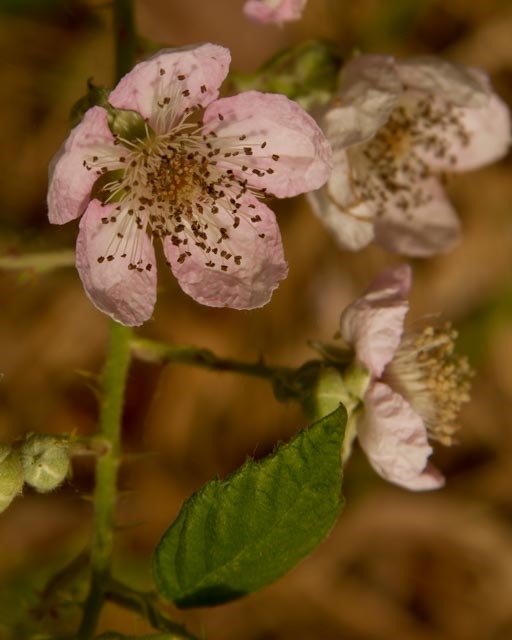
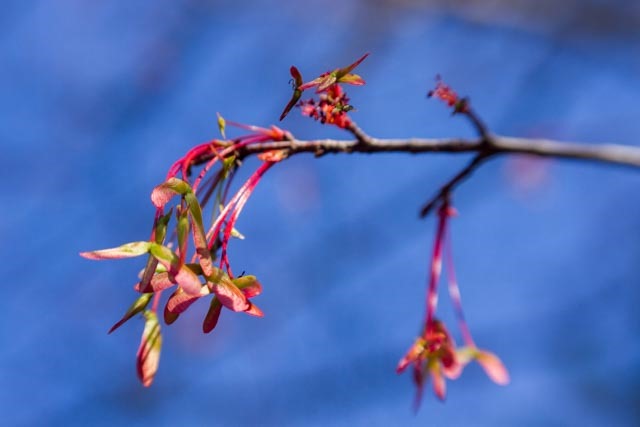
I posted some pictures of “spring” that I received during my walk through the Dreher Island State Park on Thursday. Folks, it’s FEBRUARY, and I was wearing a short sleeved T-shirt. Temperatures are almost 80 degrees! It was gorgeous. My “fan club” appreciated them; I received a few “likes” and “Loves” and “Wows” and a couple of comments. And then, there was this:

You are an artist, lady.

This comment came from a colleague with whom I had taught for quite a few years. He taught chemistry and physics, and, interestingly enough, he has degrees in theology as well. And he said, “you are an artist.”

untitled

My first response was (in my head), “Boy, do I have you fooled!” My written response was, “Well, thank you. It’s a passion.”

Like so many others I know, I have trouble accepting that label: “you are an artist.” I tend to compare my work to the work of other photographers, both amateur and professional, friends in-person, and friends on-line; and I feel that I come up short.

Last night, I stepped back a bit. I looked at the images I created. I thought a bit about what art is. And here is what I’m thinking this morning, at the edge of a weekend. Art is the way we share our vision of the world. For some, that sharing comes through painting or sculpture or sketching and drawing, through cooking and recipes, through musical compositions or performance, through writing poetry or novels or essays or nonfiction or drama; through acting, through designing and building—I’ve discovered there is an art to hammering a nail straight into a board! (I don’t have that art.)
untitled-16

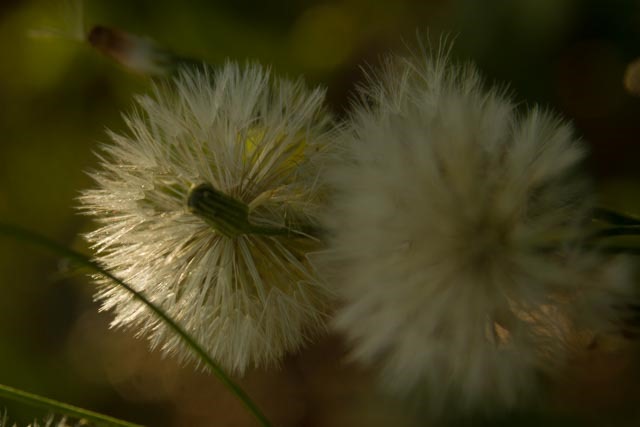
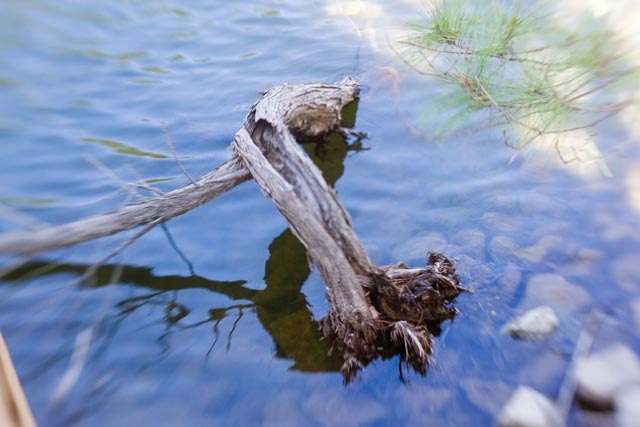
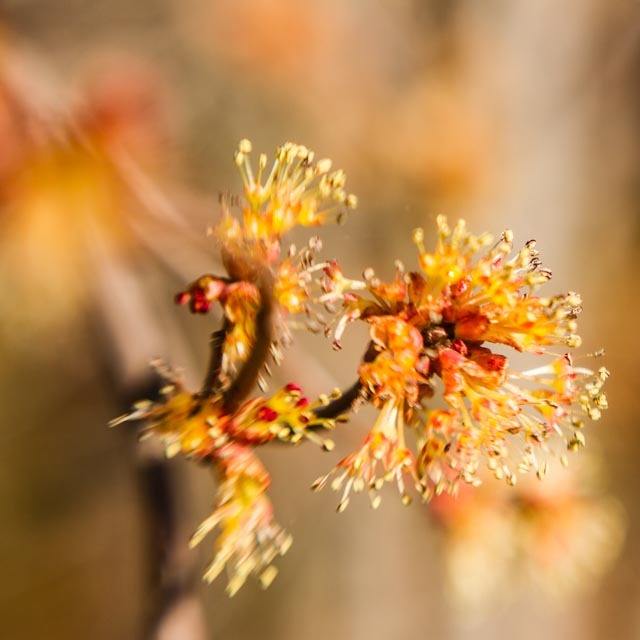
I choose to see beauty in the world, and my photographs receive that beauty. I, like so many, can get caught up in the “big picture”—the sight of that majestic pine that has stood in place for years and years and years; the expanse of water where it meets the horizon, a whole field of sunflowers or grain. . . . But then there are the details, that cluster of “baby pine cones” (did you know they are pink?), the end of the stamen covered with thick yellow pollen standing out like spider legs, the amazing depth of blue sky, white clouds rimmed with gray (for contrast!).
untitled-13

I suppose I am an artist. I have “the art of seeing” and receiving those images reminds me that there is beauty everywhere.

A New Way to Create Art

I enjoy playing with textures in Photoshop. I like the way layers of textures can transform an image to tell a new story. I have been looking at the art created by Tennessee photographer Jai Johnson, who also creates the Daily Texture collections. I’ve seen who she uses texture backgrounds with her images to isolate elements, and I wanted to figure out who to do that, too. By watching her videos, I learned that she uses Topaz Labs software for much of her work. However, I tried to do something similar in Photoshop. It’s not easy, and my results are not consistent—yet.

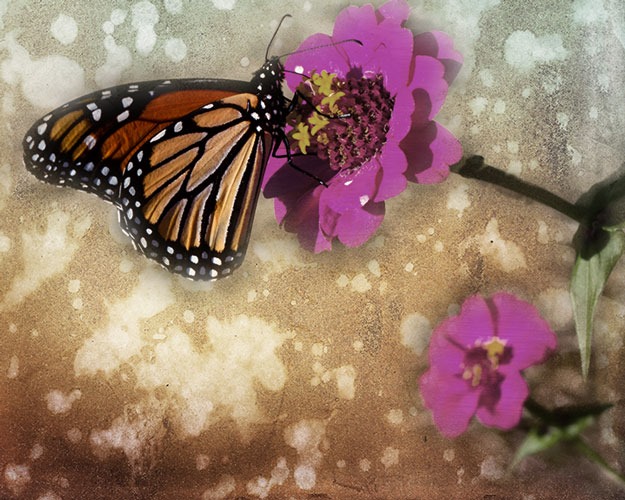
I’ll show you the original and the final product.

untitled-34

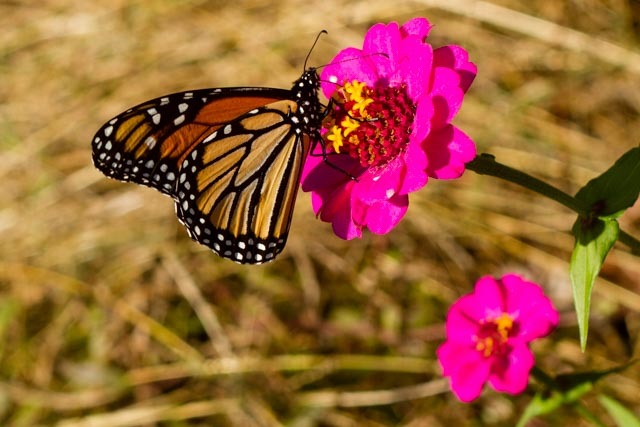
I began with this image of the butterfly and the zinnias. I took this at the end of October. I really am not crazy about the background of dead grass and weeds.

I did something a bit different. I opened a new document and set the size as 10 by 8. Then I used the Place Linked command to open the background texture. Next I used the File Linked command to place the butterfly image over the background.

Next, I used the lasso tool in Photoshop to outline the butterfly and the flowers with the stems and leaves, and then used the Select-Inverse command. I added a layer mask, The background texture is revealed behind the image of the flower and butterfly. I thought the pink flowers were a little too bright, so I desaturated the image slightly and brushed back in the color of the butterfly.

I cleaned up the edges with a soft round brush, adjusting the size and the opacity of the brush as needed. Then I added another texture on top of the image at the soft light blending mode at a reduced opacity to tie the image together.

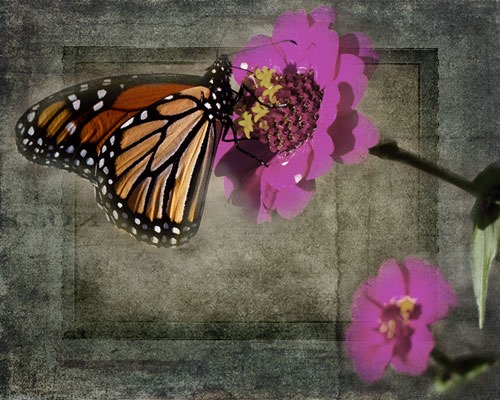
The final result is this.butterly-with-two-lil-owl-textures

It’s different, but I like it. My younger son says it’s really cool.

EDITED: Okay, I still had to play with more stuff. I created one more “look.” I really like this one!

butterfy-with-two-lil-owls-and-photomorphsis-textures

Following Through

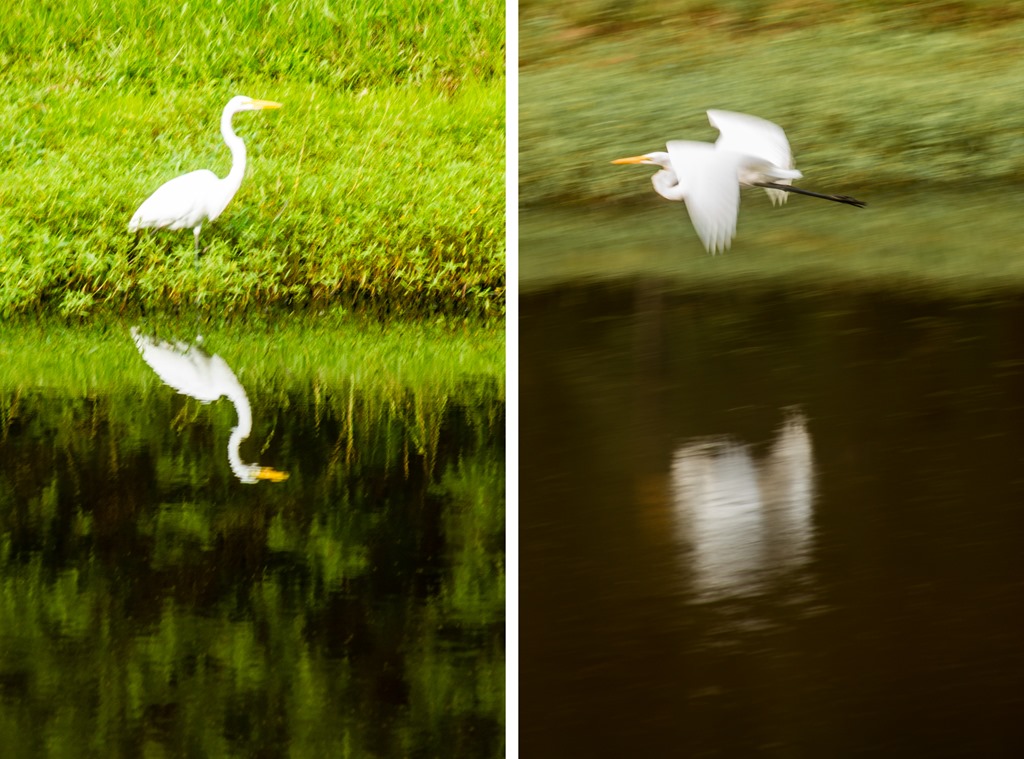
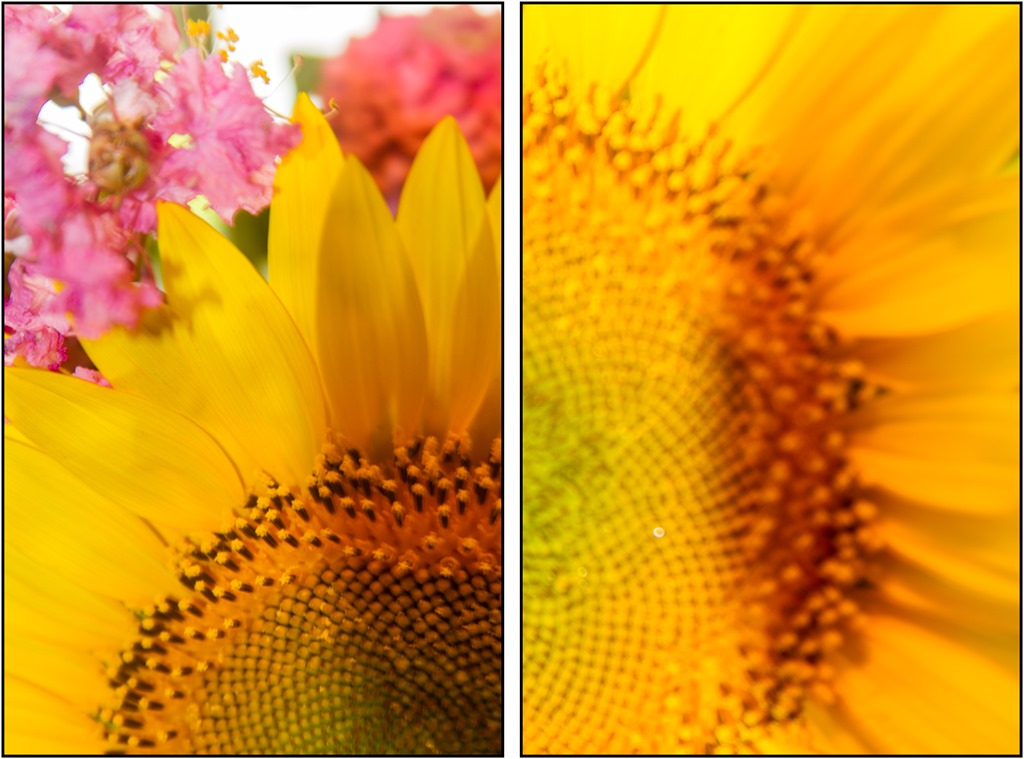
Sometimes, I have trouble following through with my intentions.I had planned to make diptychs with photographs for seven days. My plan was to look for things around me every day to pair—either because they were similar or because they contrasted in some way. Sometimes, that’s hard to do—both to take the pictures everyday and to be observant to those nuances.

And then sometimes, life gets in the way. Sundays are always busy times, and I had planned to take the day off anyway. And then—the MIGRAINE struck. It was my plan to go outside and look for the contrasts, to juxtapose ideas and images. And just doing that—looking for those juxtaposing images and ideas is hard! (It makes my brain hurt to think about it!)

So, what do I do today? Wait for tomorrow! (Channeling my inner Scarlet O’Hara!) Seriously. I’m going to give it some thought. And I will share my first two diptychs.

egret diptychsunflower diptych

I found the template for Lightroom here. Clickin’ Moms is a great resource for all things photography, and especially portrait photography and children’s photography.

Weekend Wrapup

So, between pondering David du Chemin’s lesson in The Visual Toolbox  and Christine Greve’s first lesson in SlowDownforStills, I’m not sure what I’ve accomplished other than letting my head spin. I’ve thought about some of my favorite images, and I suppose my favorites vary from week to week and sometimes day to day.

dragonfly3

I know that for a very global learner and “big picture” girl, I photograph details. I get up close and personal, and the commentators on the sports shows used to say when interviewing athletes, to get the textures and the little things that make up the big picture. I zoom in rather than zoom out. heron at bennetts point

Oh, I love panoramas of nature and landscape. I want to see the full context as much as anyone else. But I also like to see the trees in the forest as well as the forest. Sometimes, the forest overwhelms me. And then I think of Ann Lamot’s story of her brother’s project on birds. Their father gave him some good advise: take the project “bird by bird.” And so, in photography, I try to take each photograph “image by image,” detail by detail.


violets-in-the-window-sill

I also discover that I “isolate” things. If there are four cardinals at the feeder, then I isolate the image to one of those cardinals. If there are a dozen zinnias blooming, I take just one zinnia. And then rather than take the image of the whole plant, I focus on whatever I see as the most interesting.

And that’s the same when I take people pictures. I try to capture the most interesting part of the person rather than the whole person.

untitled-6untitled-63

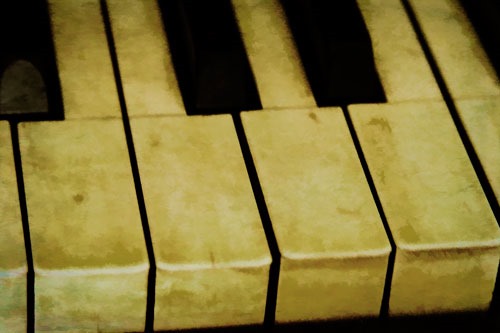
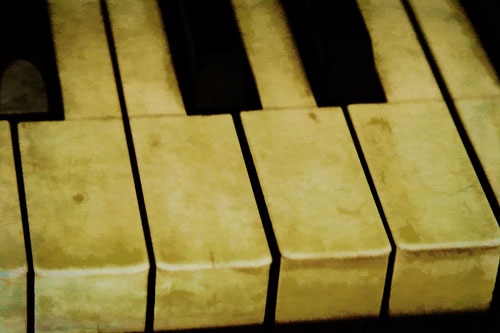
So, my vision has to do with the details, regardless of what they are. And I try to let that image tell the story. For example, I have an old piano—vintage 1930s. As a piece of “furniture” it is gorgeous! I love the wood grain and the variegated shades of browns, but what attracts my attention most is the keys, the beautifully aged ivory and ebony keys. My first piano (that I bought myself) had the modern plastic white keys, but this Lester Betsy Ross Spinet has real ivory and ebony. They look different; they feel different. And I am drawn to the mottled coloration and even the “unevenness” of the keyboard. Some of the keys look “curled” at the edges. There are days that I pass the piano, though, without a glance, but then I take a long hard look at it and appreciate it all over again, not just the craftsmanship that went into its construction, but also the story behind it. It is a gift to me from a young couple in my church.

piano-keys

This is the beauty and perhaps the function of photography—not about making great art all of the time, but about learning how to see differently.

Nuanced Textures of Life: Week 1 of #slowdownwithstills

Don’t you love free online classes? I certainly do, especially when I get to have lessons from photographers I admire. Christina Greve is one of those photographers. When I saw the class description, I though first, uh, not my “style.” I struggle with still life photography. I don’t know enough about setting up the scene and styling. And my props are next to none.

But then I read the philosophy. It’s NOT a photography class. It’s really a series of prompts to get us to stop, listen, see, smell, taste, hear, and feel the everyday. I think it’s all about contemplative photography practices, but I’m not telling her that!

piano-keys

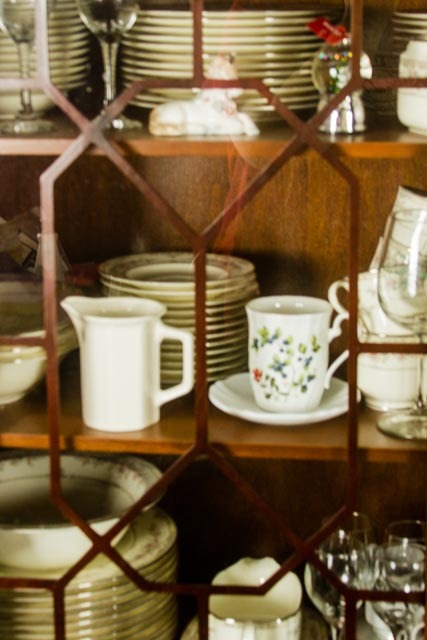
This is the assignment for week one: look for the “little” things that are all around that we may take for granted because, well, they are all around us every day. I’m thinking: there are the orchids currently in a dormant state; the yellowed ivory of the piano keys; my wedding china in the china cabinet. Outside are the zinnias and Queen Anne’s lace and the sharp lines and ridges of broken shale rock, the softness of moss, crinkly lichens on trees, rough roots (that have a tendency to jump up out of the ground just to trip me up!), fallen red “trumpets” from the trumpet vine, a lone purple Rose of Sharon bloom. . . . I was so busy looking this morning, I forgot to take pictures!

chinacabinetdoor (1 of 1)

I think this is one of the things that the practice of contemplative photography does: it develops in the practitioner the habit of seeing the details of everyday life, the ones we often overlook. I confess that sometimes I forget to look in directions other than straight ahead as I march through the days. This morning, I walked around the ponds, and I KNOW it must have been there the first time I marched around the big pond. It was on the second lap that I found the feather. (It’s in my pocket to add to my treasure box of feathers and shells.)

chinacabinetdoor (1 of 1)-2

Lesson 1: Consider Your Vision

What is your vision as a photographer? Have you thought about it? Do you have a vision?

I read about photographers who talk about “style.” And I wonder what my style is. Do I even have a style? And I read about writers who talk about “voice.” I even teach writers to find their voices and to adapt their voices to their purposes for writing.

I don’t necessarily do the same to my own photography. This month, while I’m on hiatus from teaching written communication and composition, I am going to work through some of the lessons in David de Chemin’s book The Visual Toolbox, his vision of what a photography curriculum should include. The first lesson is a tough one: “Consider Your Vision.” De Chemin often puts vision ahead of technical matters of photography. For him, the “narrative” and the emotion conveyed by the image is more important than technical considerations of equipment and settings.

The first assignment is this: look through your photographs and identify your favorite images, not the ones that everyone else likes or the ones that are technically perfect (although they may be one and the same at times), but the ones that you like. Look for the things that they have in common and identify those elements. Some things to look for: subjects, color, lighting. These are part of your vision.

I am looking through my Lightroom catalog and identifying some of my favorite images. This is one of my most recent images:untitled-30

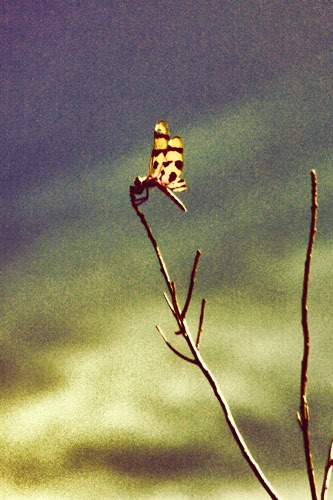
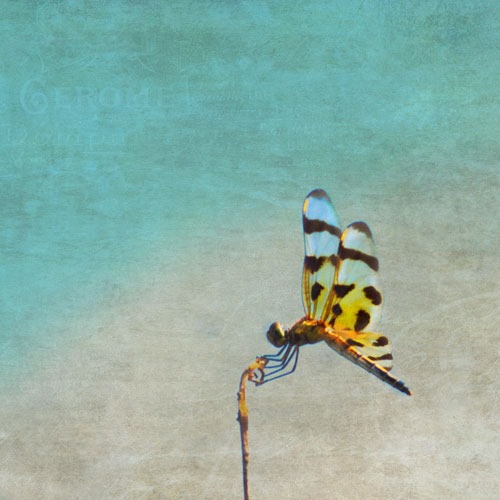
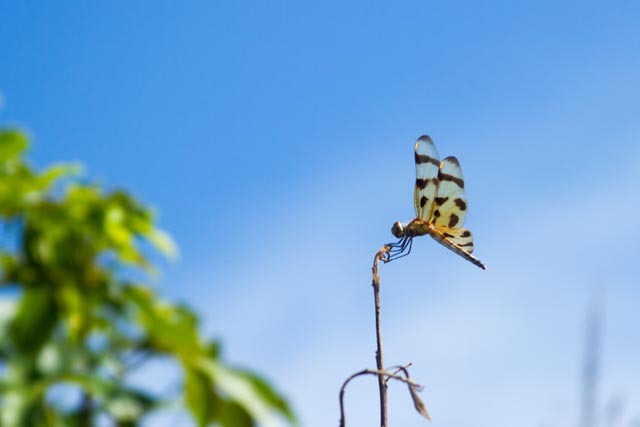
It is typical of my usual subject: nature. I tend to capture nature a lot! Well, it’s a handy subject for me! I live “in the country” and have lots of things to see. It’s not easy capturing a dragonfly, though, and I was lucky to get this one. And I did have to crop in a bit so that you could see the thing. I am in awe of Creation and the beauty that God has created in nature.  I also like to make images that have lots of “white space” around the subject so that I can add textures when I’m editing to give my images a painterly look.

dragonfly

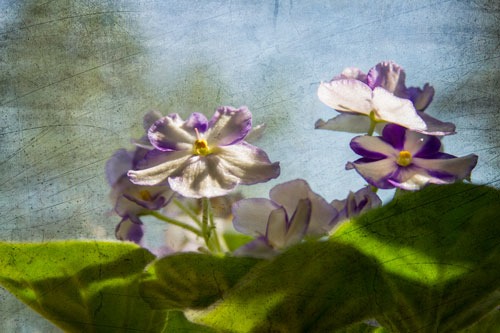
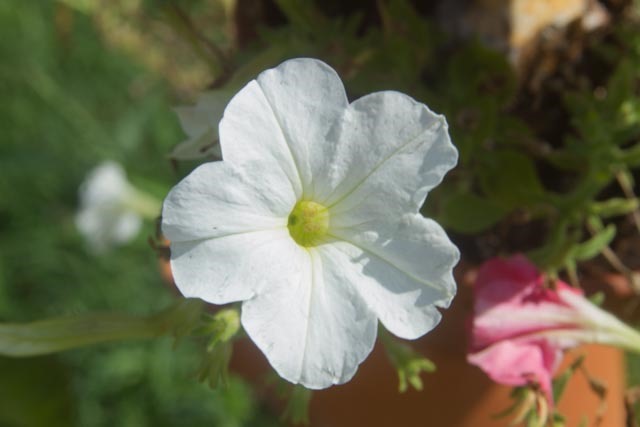
I also look for textures in nature, especially in florals.

untitled-37untitled-4

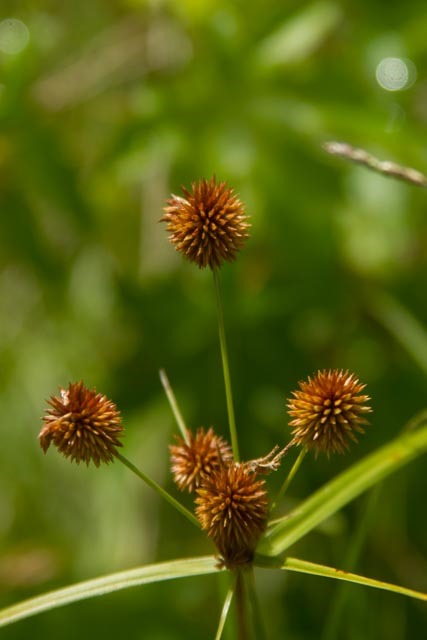
And I like to see the little details, such as those little “spikes” in the button bush flowers. I find that I use my lenses “wide open” with large apertures so that I can focus on my subject and create a blurred background.

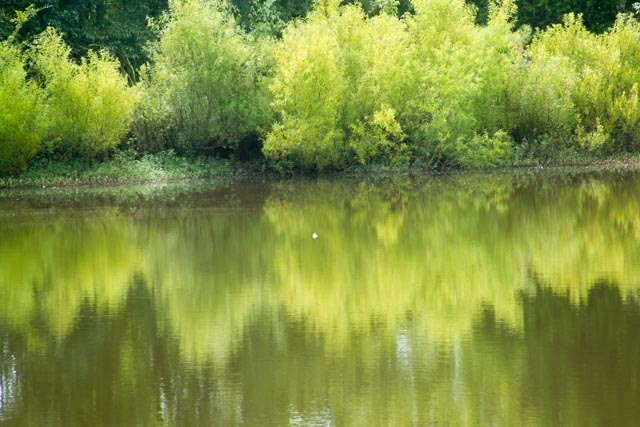
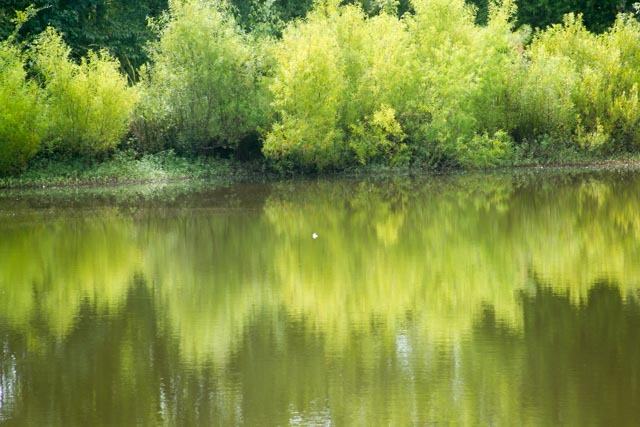
Another thing I’m drawn to is reflections.

untitled-45

Just another way of seeing the world.

This is just the beginning of seeing what my vision is. What is your vision as a photographer?

Weekend Walk

It’s been a couple of hectic weeks—three, in fact. There was a week of Vacation Bible School and the photography for that event, and then the July mod at Remington College started the next week. We are halfway through the four-week term. The weather here in SC has been been brutal. If I heard correctly last night, we’ve had nineteen days of triple-digit temperatures in the state. It is hot.

untitled-29

This morning, I had to get out and walk around the ponds in spite of the heat. I took the camera with me. I did not plan to walk for exercise or fitness. I did not have a “destination” in mind, other than to walk the circle around and between the seven ponds. I just went.

untitled-45

Christine Valters Paintner and Julia Cameron, among others, advocate the daily walk. Julia Cameron recommends a thirty-minute walk a day. Some call it “contemplative walking,” going out with an “empty” mind so that one can be receptive to all that is around, to be open to receive whatever speaks or draws notice, to have no preconceived notions about what to see. In doing so, sometimes, we are surprised by what we see.

untitled-3

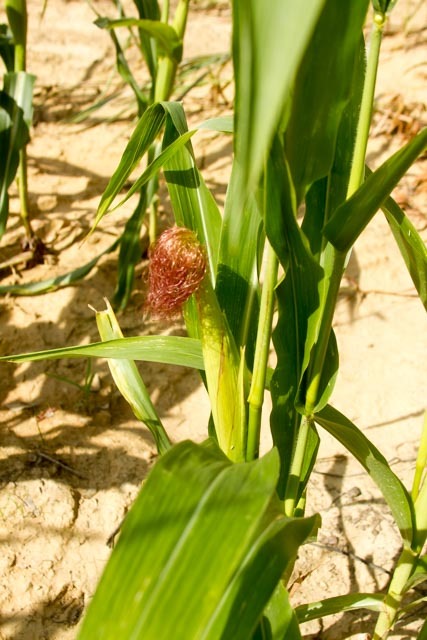
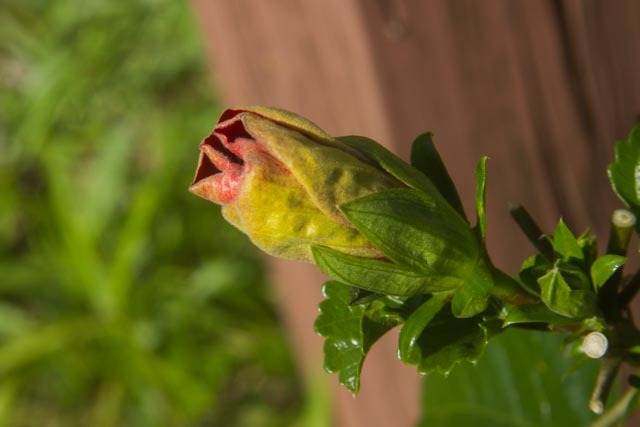
Today was no different for me. I saw the “usual”: the crepe myrtle bloom, the zinnias and other “wildflowers” in my small flower patch, the hibiscus buds, roses, greenery everywhere. Purple flowers, dandelions, button bushes, dragon flies—all of these danced in the breeze (thank goodness for breezes); corn is maturing in the field.
untitled-42

untitled-51

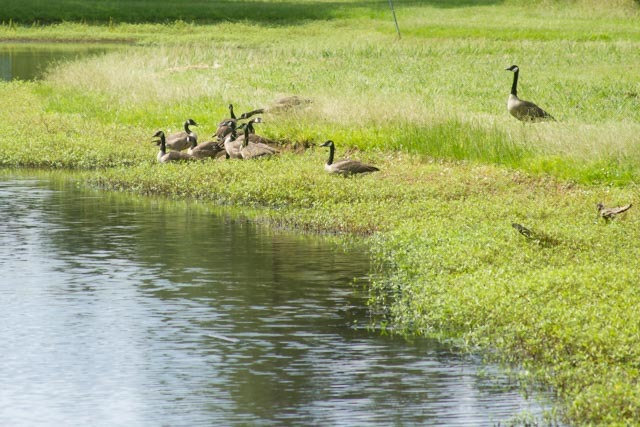
The Canada geese are making their annual appears and overlay on the big pond; the heron flew over. So much of what I received is the same as every other time I’ve walked, and I’ve been walking around these ponds for over thirty years. And yet, so much is different, still beautiful, still inspiring.

untitled-6

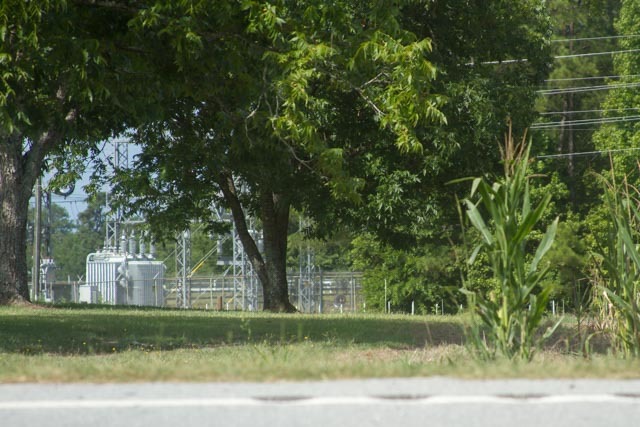
I think that’s what draws my camera and me to these places—the “sameness”, the familiarity, the comfortable nature of things. And yet, there is something new to see: the dragon flies, some “new” foliage, the textures of the field, even the juxtaposition of an older rural way of living just across the road from the modern electrical sub-station.

untitled-44

untitled-48

I don’t know what my children and their children will make of these hundreds of photographs in the future. I hope they see an appreciation of creation and beauty and a desire to tell the story of what my small piece of the world looked like during my life time. After all, that’s what photography and art and writing are all about.

untitled-30

Lessons from the Lensbaby

No matter what the experts say, I think photographers have love affairs with camera equipment. I have a moratorium on my equipment purchases, so I have to work on learning to make the most of the equipment I have. And it is limited. I use my kit lens, the 28-135. I have another zoom that takes me to 200, a 50, and two optics with the Lensbaby Composer Pro—the Sweet 35 and the double optic.

This morning I went out with the double optic and the Composer Pro. I used the 5.6 aperture ring and set the camera for manual mode. Of course, with any Lensbaby, I used manual focus.

Lesson #1: sometimes moving physically is the only way to get the subject in sharp focus (or sharp for a Lensbaby since it is inherently a soft-focus lens). This is especially important when using the macro kit with the double optic.untitled-9untitled-52

Lesson #2—After using autofocus for sooooo long, manual focus can be hard. It feels as though I am learning to see all over again. Or else it feels like I’m not wearing my glasses or contacts. Nailing the focus is difficult, really. I found it hard to keep my focal point in focus with the Lensbaby when I tried to reframe the shot.

Lesson #3—The Lensbaby is worth it, and I need to work with it more often. While I like it a lot for macro work, I struggle with it for landscape shots. That’s where the practice comes in, I think. It is about learning where the lens’s sweet spot of focus is, learning how to tilt the lens to get pleasing composition and the famous Lensbaby blur. Some of my images today just didn’t work.

untitled-77

I think perhaps if I could have gotten lower, this might have worked better. Sigh . , , ,

What if

untitled-26

  • You had an entire weekend to yourself—from Friday evening until Sunday morning?
  • You could focus on nothing but your photography?
  • You could wander around with that camera and look for and find the “extraordinary” in the world around you?
  • You could put aside all judgment and expectations and receive and make the photographic images YOU want to make?
  • You could allow yourself to see what is and not what should be?
  • You could connect with other women photographers for a weekend of sharing and learning and making “art?
  • Would you allow yourself to see with the eyes of your heart?
  • Would you allow yourself
          • To See?
          • To Feel?
          • To Think?
          • To Isolate?
          • To Organize?
          • To Experiment?
          • To Wonder (and Wander)?
          • To Question?
          • To Embrace?

bell-flowers

For a couple of years, I have been reading and studying and practicing “contemplative photography.” Contemplative photography is not a technique or a “system.” It’s a practice; it’s a way of seeing.It’s not a “style” exactly, either, although there are some tell-tale signs that a photographer may or may not practice contemplative photography.

If you are a photographer and you want to spend a weekend in a beautiful setting with like-minded photographers, you may be interested in the Contemplative Photography Retreat. It is still in the planning stages, but it’s coming. It’s been in a five-year gestational period, but it is about to be born.

As the cliché goes, more details to come later in the news.untitled-18

One Word Check-in

I’ve been trying to do the one-word-for-the-year “thing” for several years now to keep my focus on the “important” things. I have the book, and I’ve signed up for Ali Edwards’ year-long course. I am not doing well at keeping up with the course other than reading and reflecting on Ali’s words.

Today, I’m checking in on who I’m doing with my word.

I chose the word “abide” for this year. Something about that word called to me. I know that we often use that word in the negative, as in, “I can’t abide with those beliefs or attitudes” or “I can’t abide that person.” But there is more positive about that word than negative.

“Abide” means to linger, to stay put, to remain in one place; to live in a place for a significant length of time. It means to be rest peacefully in the moment. It seems that sometimes, life gets too hectic, and we, as a society, forget how to “abide.”

That’s what I like about this thing called contemplative photography. It slows me down, forces me to be still, to linger over a moment, to see below the surface. It’s more than “stopping to smell the roses,” though, although certainly, taking the time to smell roses is a good thing! untitled-39

Throughout the Scriptures, we are called to “abide,” to linger. In the King James Version, the word appears 82 times in 77 verses. It must be an important word to focus on. (I know, there are many other words used more often, but when I see a verb used 82 times, I think there must be something important about it!)

The word “abide” has an important theological meaning of remaining with Christ, of being “in union” with Christ. But I think we can extend that to other aspects, especially when I think about photography and the kind of photography that I enjoy most—photographing the natural world. To abide in Nature is to see the hand of God in the world.

untitled-19

(There is a dragonfly in this image!) It means seeing small things and appreciating the beauty of it. And there is beauty in everything in Creation.

untitled-22

I was surprised when I looked at this image and saw the squares on top of the round “berries” or seeds or whatever these things are. Learning to “abide” is teaching me to see.

Although “abide” often implies a sense of rest or stillness, “abide” has also come to mean “activity” but in a deliberate way, in taking time to be present, whether it is in nature or with other people or with the Word or in a book of fiction. Although I am actively “abiding,” I am also lingering and remaining for more than a moment.