Story-telling Photographs

I knew it. . . . It was coming, but it came sooner rather than later.

I don’t know what to write about! I’m stuck. Or maybe it’s because it’s a lazy Sunday afternoon.  I’ve had my nap; I’ve been reading. It’s comfortable, though, outside—low 80’s after a cool morning (I wore my right pink sweater to church this morning).

I pulled out one of my photography books, The Photographer’s Playbook. You’re familiar with the idea of coaches and teams having playbooks with a variety of moves the team can make. The players are familiar with everything in the book, so nothing is new, but when the team gets in a jam, the coach can pull out a play.

So, today, I pulled out the playbook, and I looked through the subject index. I honed in on the keyword “editing.” I was expecting to find some interesting ways to edit images.

Nope.

What I did find was advise on looking back over the photographs that I’ve already taken and start to look for the story or for the patterns or perhaps the story that I’ve found. I went back over my images I’ve taken this year, and selected randomly some thirty images. Then I culled that those images to twenty-five. Using the online photo-editor/collage maker Befunky.com, I created a three by three grid to make a collage. to make things really simple, I used the auto-fill feature to fill in the grid.

Water, florals, lines. These show up in my photography more often than not.
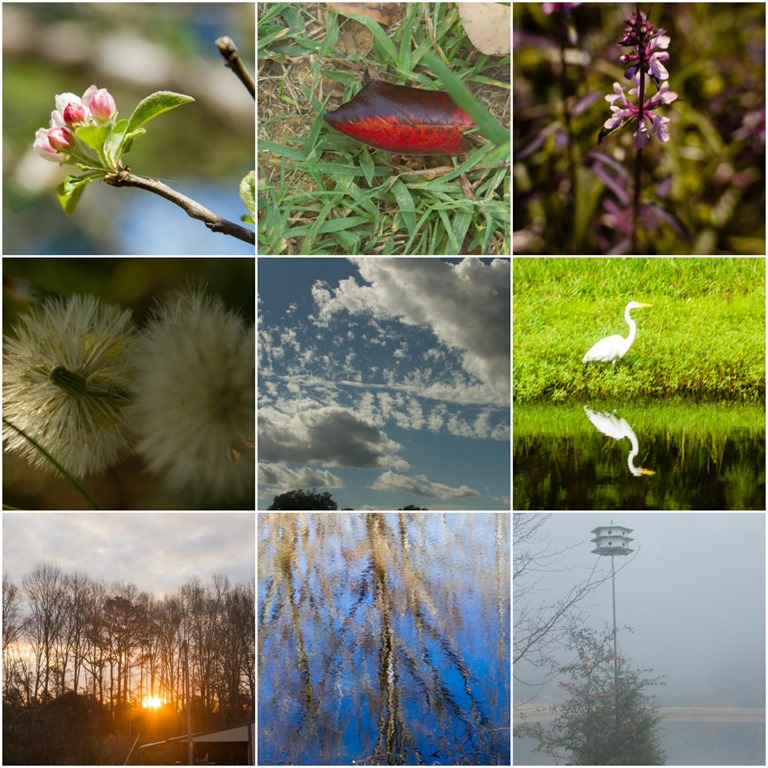
Editing Collage

These images, randomly selected, reveal my love for nature, for details, for atmosphere. I think I will be exploring the stories that my images reveal.

The Beauty around Us

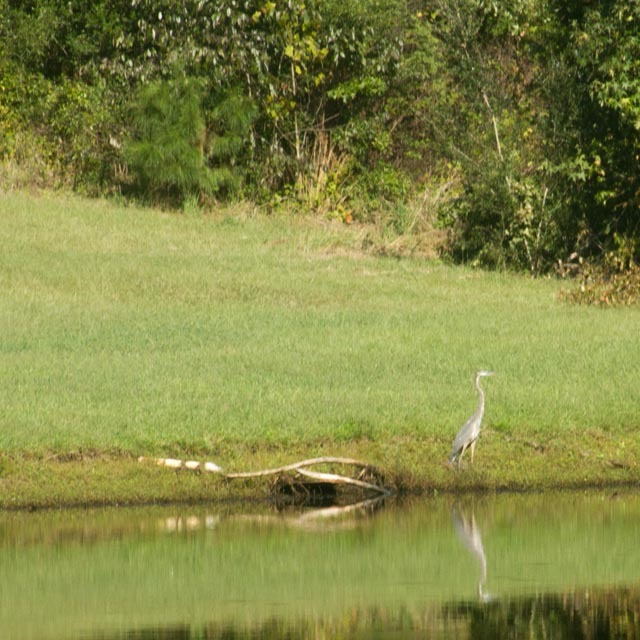
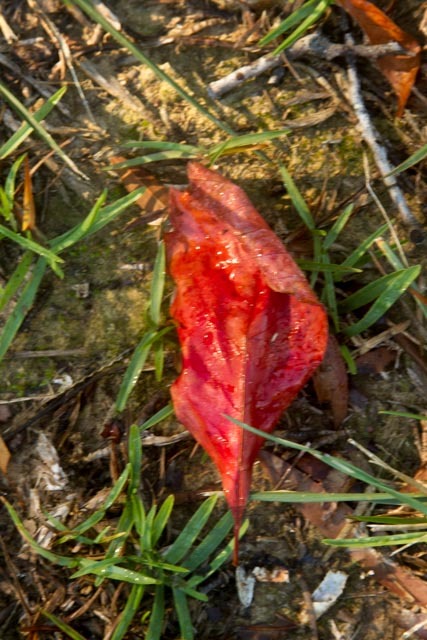
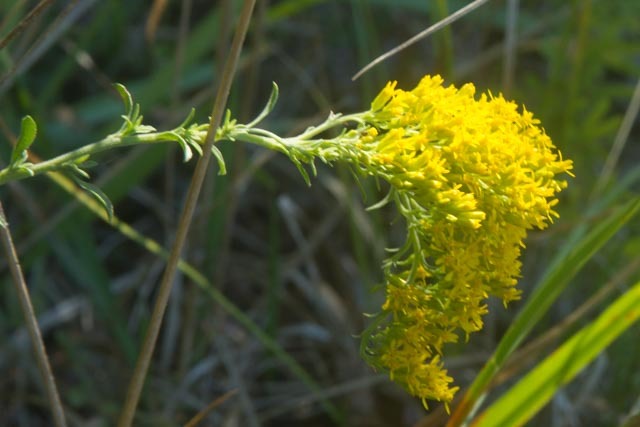
Every so often, once a week or so, sometimes, only twice a month, I take my trusty “big girl camera” out for a walk around the ponds on the property where I’ve lived for the last thirty-two years. You’d think I’d know the landscape and the scenery well by now, and I do. I know where to find the acorns, the grape vines, the persimmons, the ragweed, and the goldenrod. I can anticipate where I’ll have a smattering of red leaves on the dam between Gramps’s and Herbert’s ponds. I can even anticipate seeing a heron fishing in the shallow waters of one of those ponds. I know them well.

untitled-20

untitled-22

untitled-39

untitled-40

untitled-60

Yet, when I walk with the camera, I am open to receive whatever there is to see—something new, something old, something rather ordinary. This is what contemplative photography practices allow us to do—to open ourselves up to the experience at that moment but with no preconceived ideas about what we may allow our cameras to receive.

That is the first step in my process—to go for a walk without expectations.

Now, I do admit that I do think about the technical aspects of craft usually before I walk. I admit, openly and unashamedly, that 90% of the time, I set my camera for aperture priority (AV on the Canon). I want to control the depth of field because I love that creamy out-of-focus background, and the easiest way for me to achieve that effect is to set the aperture “wide-open” and keep it there. Today, however, I used an aperture of f16—the “sunny sixteen” setting. I was still able to get an out-of-focus background on most of the images I took, especially on the closeup shots, but I was also able to keep more of my main subject in focus.

The editing process today was pretty simple in Lightroom. Now, I do have a bunch of presets (I just bought some more today. . . .). I may go back and fine tune my editing later with the presets, but today I manually edited. I read an article on editing that recommended cropping the image first. So, each selected image was cropped. I found that today, I preferred the 1:1 crop (square).

untitled-68

untitled-72

Next, I adjusted the sliders for black and white, finding that “absolute” black point first. I turned on the the little triangles to show the clipping, and I pulled the black slider all the way to the left to get a big blob of blue; then I eased the slider back to the right until I had just little sprinkles of blue in the darkest part of the image. For the white point, I moved the slider as far to the right as I could, and then pulled back to the left until there were just sprinkles of red in the white sections. I then adjusted the shadows and highlight sliders until I liked what I saw.

Folks, that was it. That’s all the editing that I did today. Nothing hard and tedious. I think I spent about an hour culling my images to nineteen that I liked out of seventy-two. There are some others I want to play with later.

Intentions: Write 31 Days

You know, this “Write 31 Days” challenge has been around awhile. I discovered it three or four years ago, back when I still used the craftroom as a sort-of office for the photography “studio”—meaning, I had no studio except the outdoors. I read a series of 31 days of editing in Lightroom, which really changed the way I do things. At first, Lightroom was very convenient for downloading and cataloging my images, but I really didn’t understand how to use Lightroom to edit. I’m not sure I do, yet, but I am constantly learning new things.

I thought after reading this series that, surely, I could use Lightroom to edit, and that I could write a series of blog entries for thirty-one days. I start strong every year (I skipped last year). I am trying it again this year.

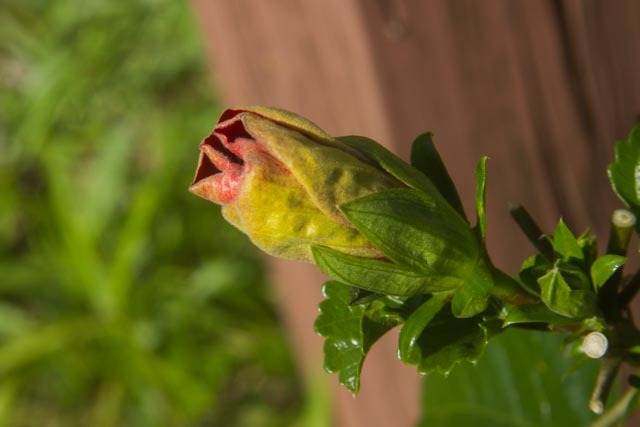
My theme is pretty general: Thirty-one Days of Photography. I’m envisioning this as a kind of “photo-a-day” project: one or two really good images from that day. This first week, I’m simply going to focus on everyday images—the things that are right in front of my eyes that I see day in and day out, that I barely notice. Like the light on the yellow wall in the living room, the orchids that are not in bloom right now, the birds at the feeders, the hibiscus in the backyard planters. . . . I drive by those daily as I head out to work. There is such beauty in the ordinary and the everyday.

Although I know the intent is to WRITE everyday, sometimes, I will let the images speak for themselves. Other times, I will write about the day, the events, or the thoughts that surround my images. There is always a contemplative element to my approach to photography, thanks to such writers as Christine Valters Paintner and photographers and teachers like Kim Manley Ort and Kim Klassen and a host of others I can’t think of right now. Sometimes I may write about technical aspects of photography or editing and post-processing. I am keeping my options open.

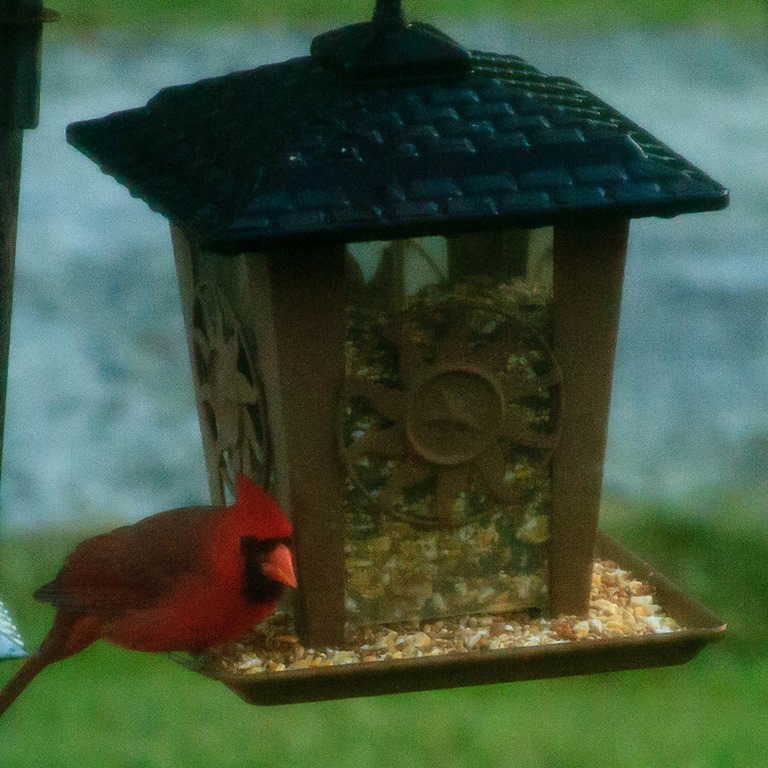
Today, I begin with my first image: nothing fancy, just a simple cardinal at the bird feeder. Beauty in the everyday:

untitled-2

Decisions Decided

So Monday, I wrote about the decisions I needed to make regarding my writing and the blog. I hate to admit it, but sometimes, blogging regularly does bog me down. There’s not that much to write about with feeling that I’m repeating myself. Maybe it’s because I still haven’t found my ideal focus.

But, I have decided: I will do my very best to do the Write 31 Days challenge in October. I don’t promise to have every entry ready to post by 7:00 a.m. in the morning, nor do I promise to write the requisite 800 words (or is it no more than 600? I never was very good at following strict rules). I have chosen my “theme:” Thirty-One Days of Photography. I need work on my skills again, and I will use some of the tools I already have—a few classes that I need to finish, a couple of books with exercises and opportunities to play, and other sources of inspiration. I think I will also look at the post-processing process to work on those skills as well.

Mixed in with these posts will be some reflections as I add the contemplative element to my photography.

I will be back on Friday!

Weekend Wrapup

So, between pondering David du Chemin’s lesson in The Visual Toolbox  and Christine Greve’s first lesson in SlowDownforStills, I’m not sure what I’ve accomplished other than letting my head spin. I’ve thought about some of my favorite images, and I suppose my favorites vary from week to week and sometimes day to day.

dragonfly3

I know that for a very global learner and “big picture” girl, I photograph details. I get up close and personal, and the commentators on the sports shows used to say when interviewing athletes, to get the textures and the little things that make up the big picture. I zoom in rather than zoom out. heron at bennetts point

Oh, I love panoramas of nature and landscape. I want to see the full context as much as anyone else. But I also like to see the trees in the forest as well as the forest. Sometimes, the forest overwhelms me. And then I think of Ann Lamot’s story of her brother’s project on birds. Their father gave him some good advise: take the project “bird by bird.” And so, in photography, I try to take each photograph “image by image,” detail by detail.


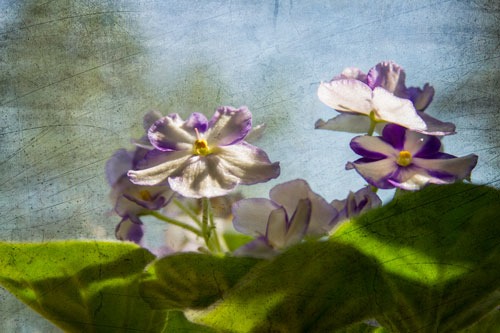
violets-in-the-window-sill

I also discover that I “isolate” things. If there are four cardinals at the feeder, then I isolate the image to one of those cardinals. If there are a dozen zinnias blooming, I take just one zinnia. And then rather than take the image of the whole plant, I focus on whatever I see as the most interesting.

And that’s the same when I take people pictures. I try to capture the most interesting part of the person rather than the whole person.

untitled-6untitled-63

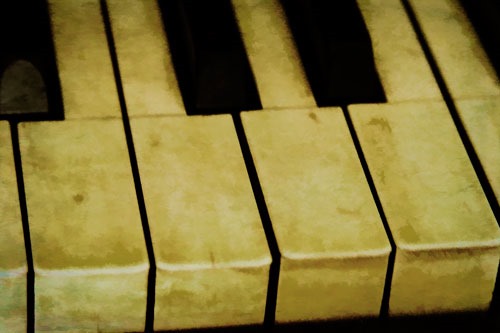
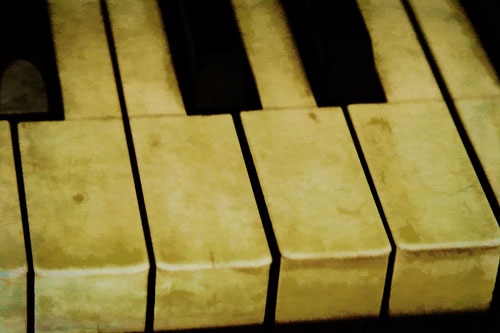
So, my vision has to do with the details, regardless of what they are. And I try to let that image tell the story. For example, I have an old piano—vintage 1930s. As a piece of “furniture” it is gorgeous! I love the wood grain and the variegated shades of browns, but what attracts my attention most is the keys, the beautifully aged ivory and ebony keys. My first piano (that I bought myself) had the modern plastic white keys, but this Lester Betsy Ross Spinet has real ivory and ebony. They look different; they feel different. And I am drawn to the mottled coloration and even the “unevenness” of the keyboard. Some of the keys look “curled” at the edges. There are days that I pass the piano, though, without a glance, but then I take a long hard look at it and appreciate it all over again, not just the craftsmanship that went into its construction, but also the story behind it. It is a gift to me from a young couple in my church.

piano-keys

This is the beauty and perhaps the function of photography—not about making great art all of the time, but about learning how to see differently.

Nuanced Textures of Life: Week 1 of #slowdownwithstills

Don’t you love free online classes? I certainly do, especially when I get to have lessons from photographers I admire. Christina Greve is one of those photographers. When I saw the class description, I though first, uh, not my “style.” I struggle with still life photography. I don’t know enough about setting up the scene and styling. And my props are next to none.

But then I read the philosophy. It’s NOT a photography class. It’s really a series of prompts to get us to stop, listen, see, smell, taste, hear, and feel the everyday. I think it’s all about contemplative photography practices, but I’m not telling her that!

piano-keys

This is the assignment for week one: look for the “little” things that are all around that we may take for granted because, well, they are all around us every day. I’m thinking: there are the orchids currently in a dormant state; the yellowed ivory of the piano keys; my wedding china in the china cabinet. Outside are the zinnias and Queen Anne’s lace and the sharp lines and ridges of broken shale rock, the softness of moss, crinkly lichens on trees, rough roots (that have a tendency to jump up out of the ground just to trip me up!), fallen red “trumpets” from the trumpet vine, a lone purple Rose of Sharon bloom. . . . I was so busy looking this morning, I forgot to take pictures!

chinacabinetdoor (1 of 1)

I think this is one of the things that the practice of contemplative photography does: it develops in the practitioner the habit of seeing the details of everyday life, the ones we often overlook. I confess that sometimes I forget to look in directions other than straight ahead as I march through the days. This morning, I walked around the ponds, and I KNOW it must have been there the first time I marched around the big pond. It was on the second lap that I found the feather. (It’s in my pocket to add to my treasure box of feathers and shells.)

chinacabinetdoor (1 of 1)-2

Lesson 1: Consider Your Vision

What is your vision as a photographer? Have you thought about it? Do you have a vision?

I read about photographers who talk about “style.” And I wonder what my style is. Do I even have a style? And I read about writers who talk about “voice.” I even teach writers to find their voices and to adapt their voices to their purposes for writing.

I don’t necessarily do the same to my own photography. This month, while I’m on hiatus from teaching written communication and composition, I am going to work through some of the lessons in David de Chemin’s book The Visual Toolbox, his vision of what a photography curriculum should include. The first lesson is a tough one: “Consider Your Vision.” De Chemin often puts vision ahead of technical matters of photography. For him, the “narrative” and the emotion conveyed by the image is more important than technical considerations of equipment and settings.

The first assignment is this: look through your photographs and identify your favorite images, not the ones that everyone else likes or the ones that are technically perfect (although they may be one and the same at times), but the ones that you like. Look for the things that they have in common and identify those elements. Some things to look for: subjects, color, lighting. These are part of your vision.

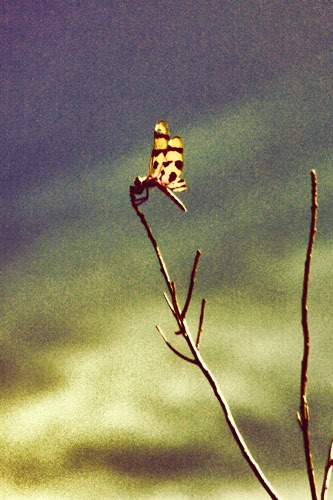
I am looking through my Lightroom catalog and identifying some of my favorite images. This is one of my most recent images:untitled-30

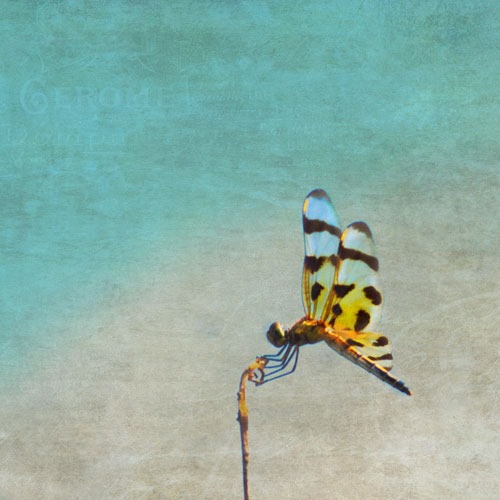
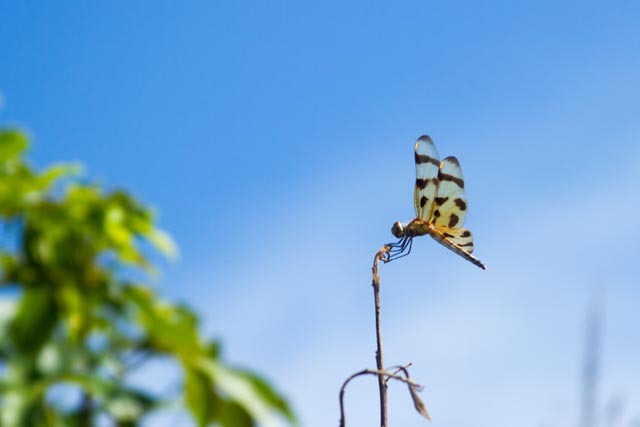
It is typical of my usual subject: nature. I tend to capture nature a lot! Well, it’s a handy subject for me! I live “in the country” and have lots of things to see. It’s not easy capturing a dragonfly, though, and I was lucky to get this one. And I did have to crop in a bit so that you could see the thing. I am in awe of Creation and the beauty that God has created in nature.  I also like to make images that have lots of “white space” around the subject so that I can add textures when I’m editing to give my images a painterly look.

dragonfly

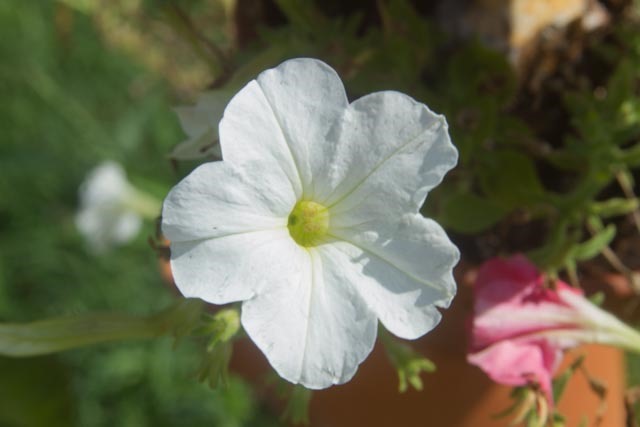
I also look for textures in nature, especially in florals.

untitled-37untitled-4

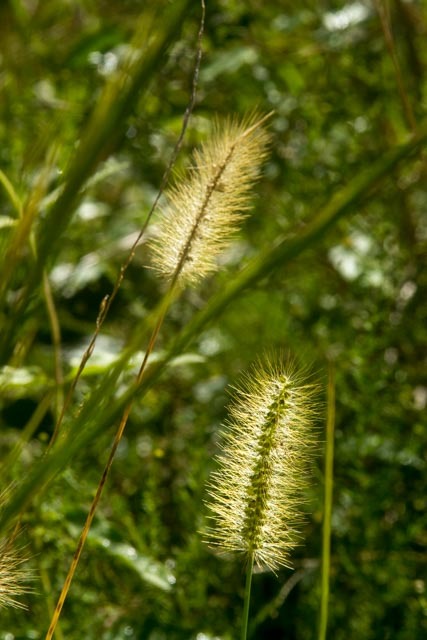
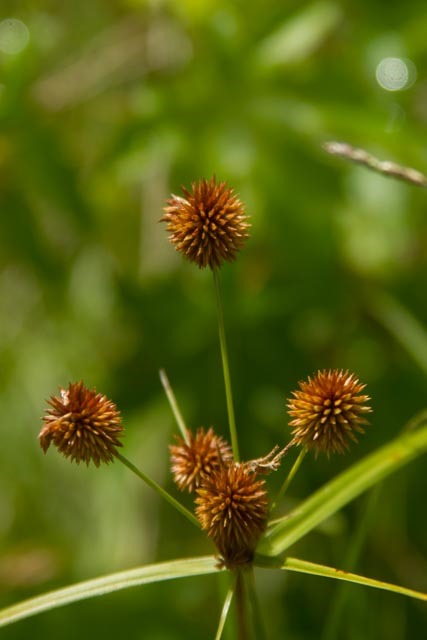
And I like to see the little details, such as those little “spikes” in the button bush flowers. I find that I use my lenses “wide open” with large apertures so that I can focus on my subject and create a blurred background.

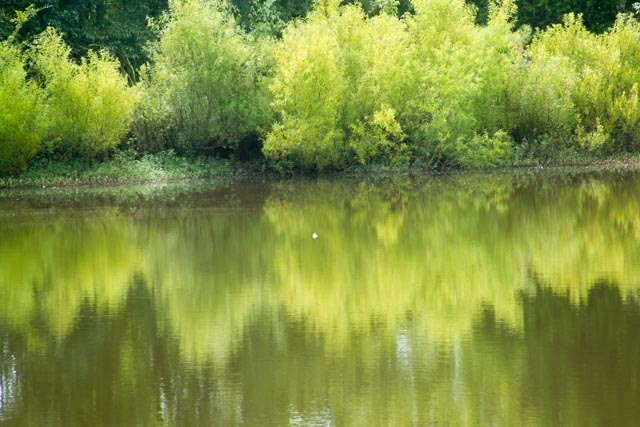
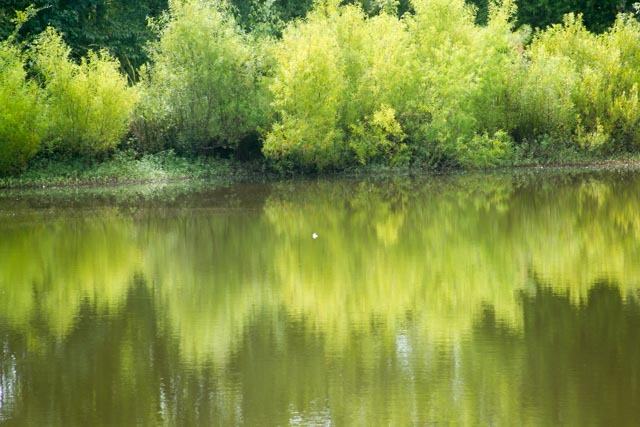
Another thing I’m drawn to is reflections.

untitled-45

Just another way of seeing the world.

This is just the beginning of seeing what my vision is. What is your vision as a photographer?

Weekend Walk

It’s been a couple of hectic weeks—three, in fact. There was a week of Vacation Bible School and the photography for that event, and then the July mod at Remington College started the next week. We are halfway through the four-week term. The weather here in SC has been been brutal. If I heard correctly last night, we’ve had nineteen days of triple-digit temperatures in the state. It is hot.
untitled-29

This morning, I had to get out and walk around the ponds in spite of the heat. I took the camera with me. I did not plan to walk for exercise or fitness. I did not have a “destination” in mind, other than to walk the circle around and between the seven ponds. I just went.

untitled-45

Christine Valters Paintner and Julia Cameron, among others, advocate the daily walk. Julia Cameron recommends a thirty-minute walk a day. Some call it “contemplative walking,” going out with an “empty” mind so that one can be receptive to all that is around, to be open to receive whatever speaks or draws notice, to have no preconceived notions about what to see. In doing so, sometimes, we are surprised by what we see.

untitled-3

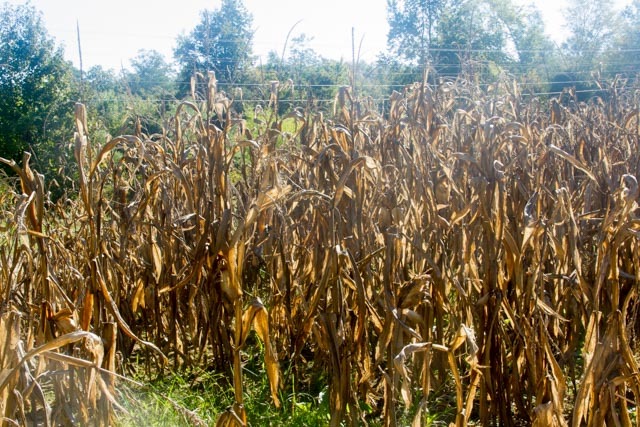
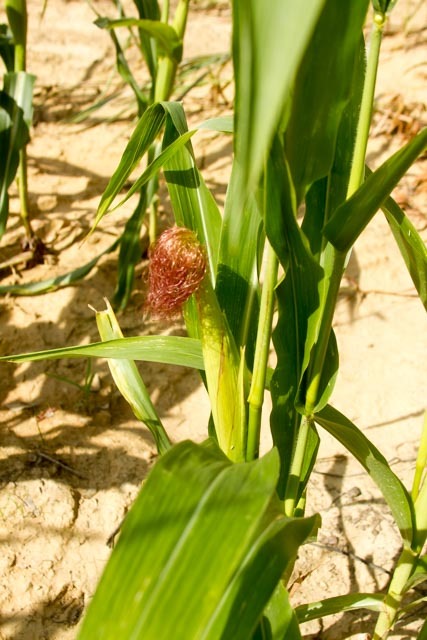
Today was no different for me. I saw the “usual”: the crepe myrtle bloom, the zinnias and other “wildflowers” in my small flower patch, the hibiscus buds, roses, greenery everywhere. Purple flowers, dandelions, button bushes, dragon flies—all of these danced in the breeze (thank goodness for breezes); corn is maturing in the field.

untitled-42

untitled-51

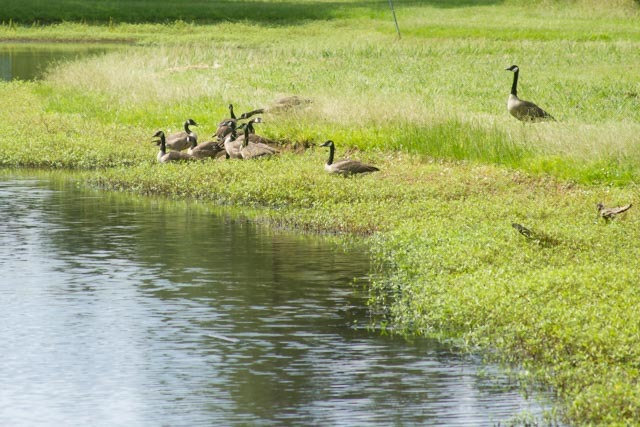
The Canada geese are making their annual appears and overlay on the big pond; the heron flew over. So much of what I received is the same as every other time I’ve walked, and I’ve been walking around these ponds for over thirty years. And yet, so much is different, still beautiful, still inspiring.

untitled-6

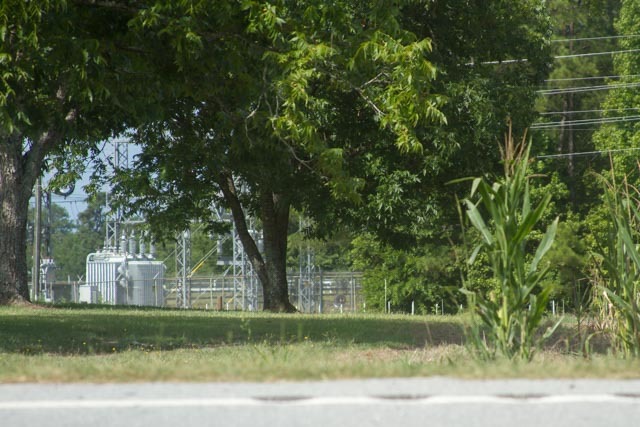
I think that’s what draws my camera and me to these places—the “sameness”, the familiarity, the comfortable nature of things. And yet, there is something new to see: the dragon flies, some “new” foliage, the textures of the field, even the juxtaposition of an older rural way of living just across the road from the modern electrical sub-station.

untitled-44

untitled-48

I don’t know what my children and their children will make of these hundreds of photographs in the future. I hope they see an appreciation of creation and beauty and a desire to tell the story of what my small piece of the world looked like during my life time. After all, that’s what photography and art and writing are all about.

untitled-30

Memories

violets-in-the-window-sill

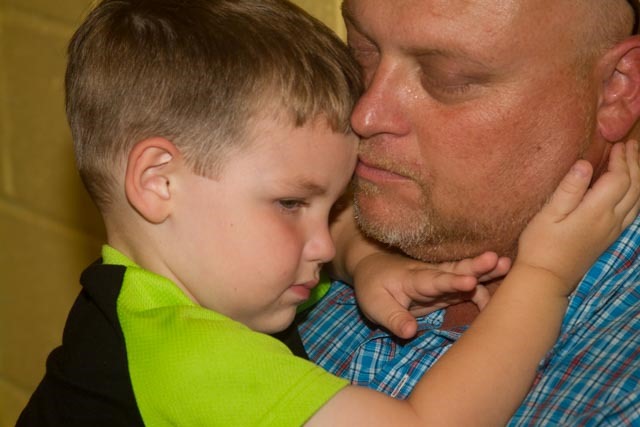
Some weekends are invoke more memories that others. This was one of those weekends. Yesterday was Father’s Day, and noticeably absent from today’s blog entry is a picture of my father. I have some, but they show Daddy as a feeble man, not the way I want to remember him. Yet—how can I forget last Father’s Day in 2015 when he hugged his granddaughter and grandson and held the hand of the other grandson and told them that he would not be with them next Father’s Day. His words were prophetic. He left us on August 12, two months later. Yesterday, I grieved anew for him.

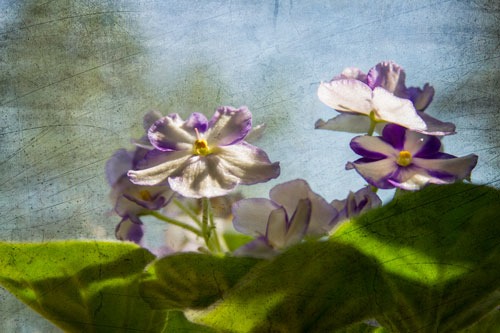
This morning, as always, I went into the kitchen to make the coffee-flavored creamer (yes, it’s the creamer I like rather than the coffee!), and in my window sill is an African violet I picked up at the grocery store last week. My husband’s grandmother, who passed away in August 1984, the year we married, had windows full of violets. She absolutely loved them. Granny was a petite woman, as it seems many grandmothers are. Not only did people gift her with violets, she would root them by breaking off a leaf and sticking it into some potting soil, and she would have a new plant. I did not necessarily learn how to do that. In fact, I may or may not be able to sustain the one I purchased in her memory last week. But I will try.

I stood at the kitchen sink for a moment, noticing how the light filtered through the dirty kitchen window and through the screen.

Although I didn’t know Granny that long, and fifty seven  years is far too short a time to spend with Daddy, I breathed a prayer of thanksgiving for both of these people.

Lessons from the Lensbaby

No matter what the experts say, I think photographers have love affairs with camera equipment. I have a moratorium on my equipment purchases, so I have to work on learning to make the most of the equipment I have. And it is limited. I use my kit lens, the 28-135. I have another zoom that takes me to 200, a 50, and two optics with the Lensbaby Composer Pro—the Sweet 35 and the double optic.

This morning I went out with the double optic and the Composer Pro. I used the 5.6 aperture ring and set the camera for manual mode. Of course, with any Lensbaby, I used manual focus.

Lesson #1: sometimes moving physically is the only way to get the subject in sharp focus (or sharp for a Lensbaby since it is inherently a soft-focus lens). This is especially important when using the macro kit with the double optic.untitled-9untitled-52

Lesson #2—After using autofocus for sooooo long, manual focus can be hard. It feels as though I am learning to see all over again. Or else it feels like I’m not wearing my glasses or contacts. Nailing the focus is difficult, really. I found it hard to keep my focal point in focus with the Lensbaby when I tried to reframe the shot.

Lesson #3—The Lensbaby is worth it, and I need to work with it more often. While I like it a lot for macro work, I struggle with it for landscape shots. That’s where the practice comes in, I think. It is about learning where the lens’s sweet spot of focus is, learning how to tilt the lens to get pleasing composition and the famous Lensbaby blur. Some of my images today just didn’t work.

untitled-77

I think perhaps if I could have gotten lower, this might have worked better. Sigh . , , ,