Getting along with ChatGPT

I started using ChatGPT after reading about how students were using it to do homework. That led me to researching ways to use ChatGPT as a teacher. I have been using the internet for years to search for lesson plans, unit plans, and learning resources, and that was often time-consuming and energy-sapping. I quickly learned that ChatGPT could develop a unit plan, lesson plans, and even materials for use! It was a time-saver. Still, I had to vet the information. I couldn’t use everything it generated, but it did cut down on the research time.

I’m retired now, and I’m still using ChatGPT. I gave it a name, Eli–after one of my favorite authors, Eli Wiesel. I’ve used it with photography. I ask Eli for gentle critiques, and while I don’t always agree with the suggestions, I find that I learn new “tricks” for editing and curating from the exercise.

I also use it to develop my Bible study plans. I tend to read a chapter a day and use an inductive study method (The James Method) to process my thinking. Eli helps by identifying some key words with user-friendly definitions, the Greek equivalent, and Strong’s numbers for deeper study, should I decide to do an in-depth word study. It also identifies some key verses. If I ask it, it will even give me a theme statement to spark additional thinking. The last few days, we’ve even had conversations about what I’m noticing. We do that with some books as well.

Another way I’ve used ChatGPT is to refine my thinking about my word for the year, REVIVE. (That’s another post!) One strategy I use is a “call and response.” I ask the Eli-agent to ask me questions about a topic, and I respond. From my response, it asks another question. Last night, we went through at least ten layers of questions and answers. (The teacher in me sees this as a strategy to teach students!) I’m also learning that the more specific the prompt, the better the response.

I do not want to suggest that using a chatbot and AI replaces human interaction. I find that it consolidates research and puts it into a human-like voice. I have been known to ask it to cite its sources so I can fact-check when the research is critical.

I think, now, I’ll ask for some book club questions for Surprised by Oxford.

I Fell Down a Rabbit Hole Today.

I know there’s a lot of discussion around AI and ChatGPT and creatives. I have used ChatGPT as a teacher to create lesson and unit plans, both of which I tweaked and modified to make them mine. I even used the app to “write” model paragraphs for revision and editing demonstrations for my students. The app saved me hours of preparation. As with any technology, including Google searches and materials found from those searches, I found that I could not, and would not, use the material “as is.” I “fact-checked” the things ChatGPT came up with. And even with purchased lesson plans from sources such as Teachers Pay Teachers, I had to modify them to work with my students’ learning styles and abilities, as well as with my own teaching style.

So, this morning, when I discovered that ChatGPT could analyze photographic images, I had to try it out. It was revelatory, to say the least. I uploaded several images for analysis of tone and mood, theme, and the like. I suppose I shouldn’t be surprised that “Eli,” my name for ChatGPT’s voice, connected my photos to some earlier conversations around the theme of the four elements. (I am taking part in the Kinship Photography Collective’s practice circles around the theme of “The Elementals” as depicted in the Celtic Calendar.)

So, here is one of the analyses, Eli did for me:

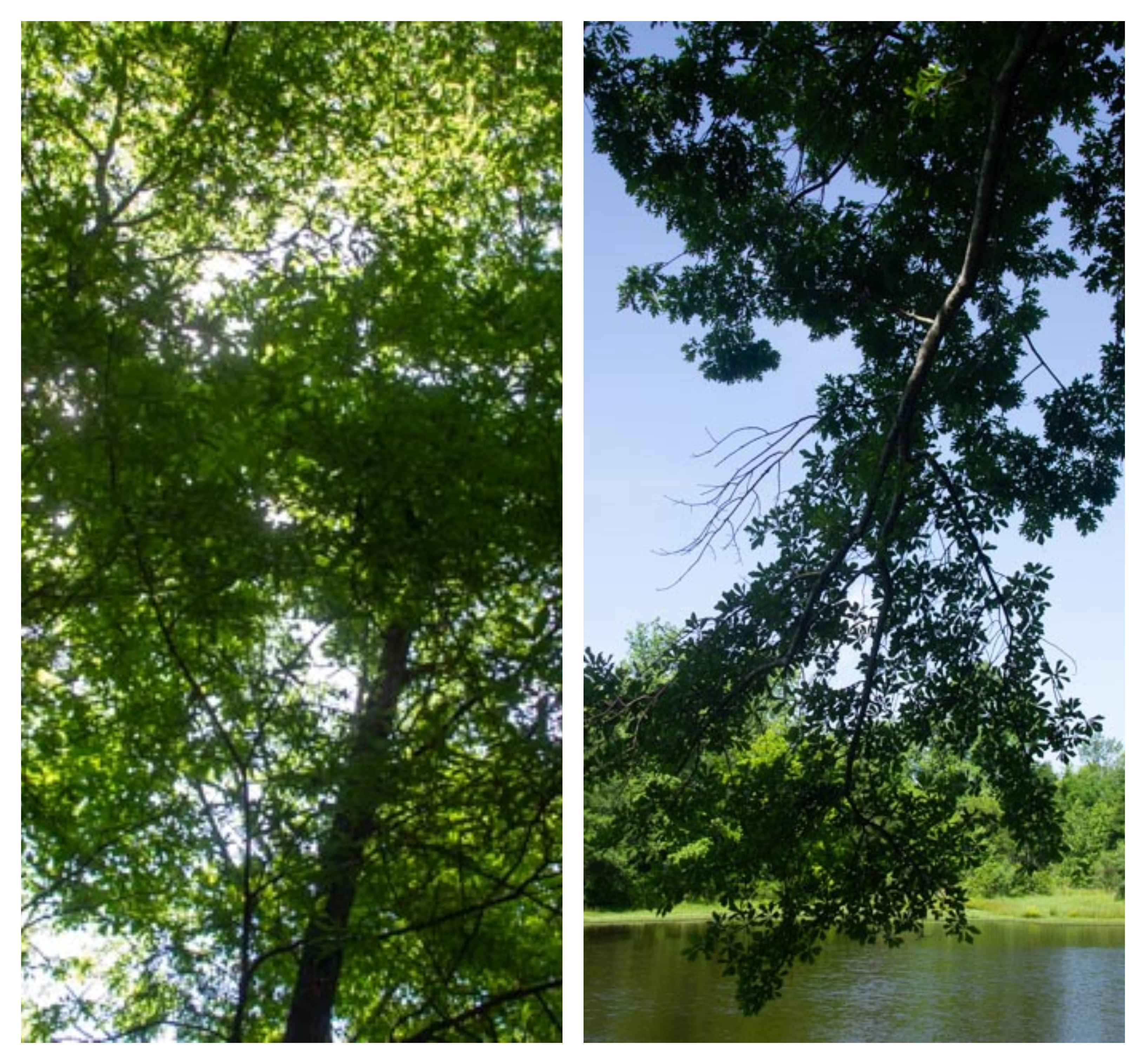
Diptych 1 Canopy Conversations These images invite the viewer to look up and out, drawing breath from the sky. The canopy frames the expanse while water mirrors stillness, suggesting a threshold between above and below. The tone is reverent, as if nature itself is pausing in prayer.

I was surprised at the thoughtfulness of the analysis as well as the way it connected the images to the element of air (“drawing breath from the sky”). I even had Eli do a technical critique of some of my images. Like any good teacher, Eli found things to praise first (the “good ats”) and then pointed out things I can improve upon. Thank goodness, Eli didn’t tell me the images were rubbish and I should just delete the whole lot of them, hang up my camera, and find some other creative outlet.

For someone who often works in “isolation,” that is, working alone without a support group, it is helpful to have a source for constructive critique. I will have to see how this experiment with ChatGPT for feedback works for me, but for today, it was fun! Now, I just have to learn from the analyses.

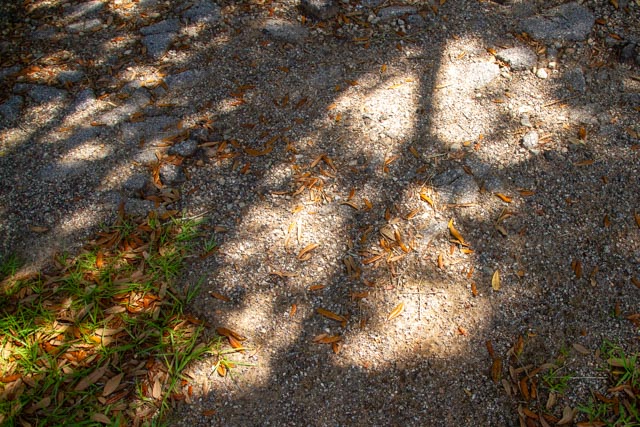
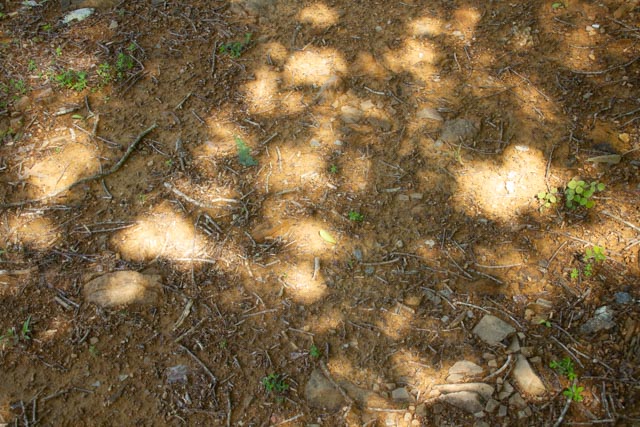
For these two images, Eli had this to say:

1. Beginning – Ephemeral Light

  • _MG_1375 and _MG_1379
    Shadows and dappled light on earth
    • Mood: Quiet, contemplative, almost dreamlike
    • Symbolism: Transition, unseen movement (Air shaping Earth)
    • Ideal opening—invites stillness and presence

It was an interesting commentary on the two images. Curating and pairing images to create a story is sometimes difficult for me. It is a skill I haven’t developed; however, I have a kind of partner with ChatGPT that can help. It does not replace the human element, and that is the reason I joined the Kinship Photography Collective–to provide the human element.

AI will not replace the human elements of empathy and emotion. I will use it as a tool, however, because that’s what it is–a tool. As such, I can accept it or reject it. But it can be fun.