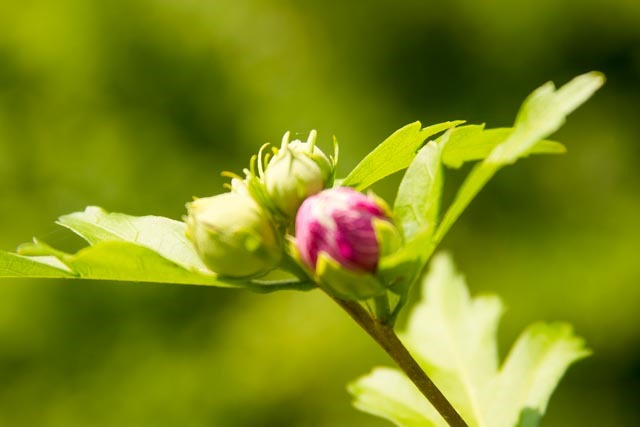
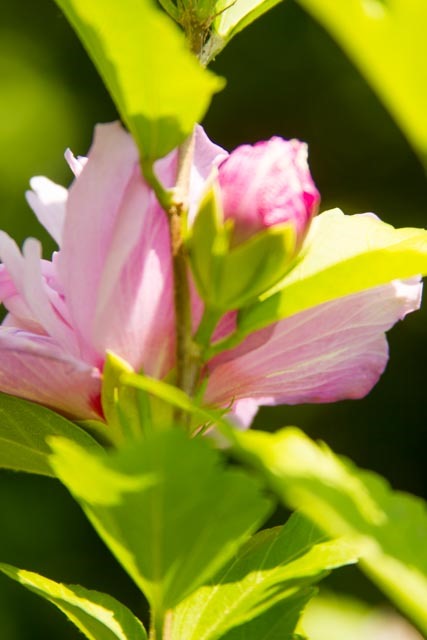
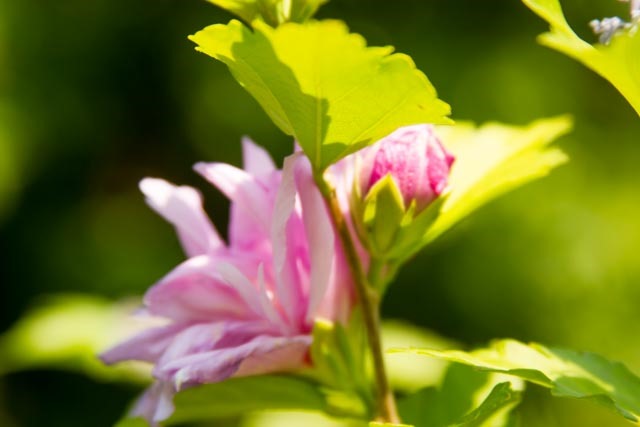
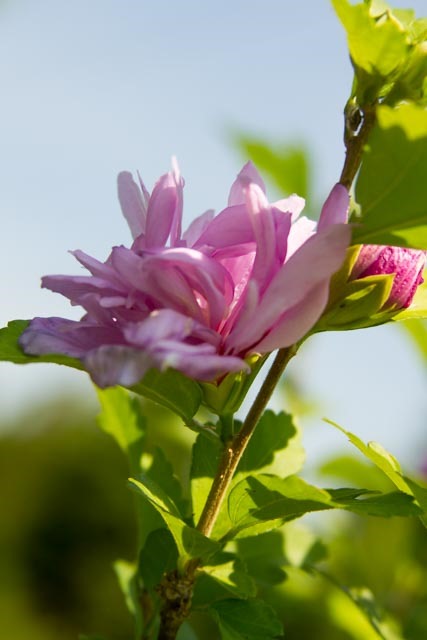
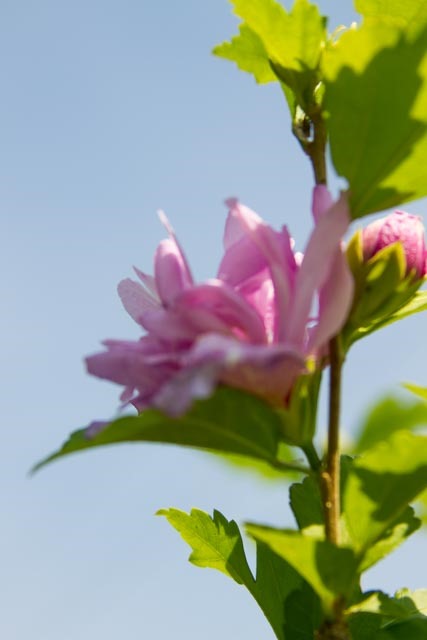
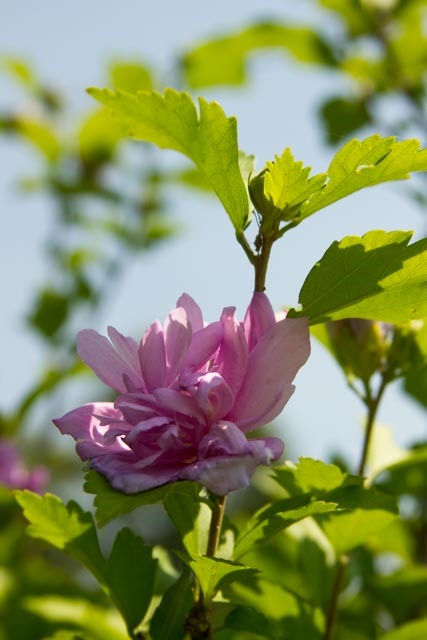
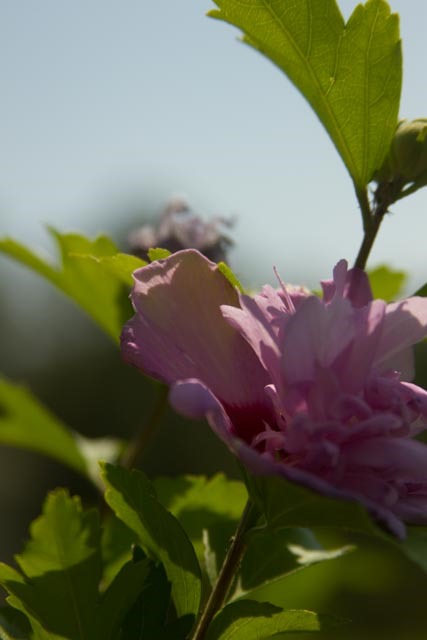
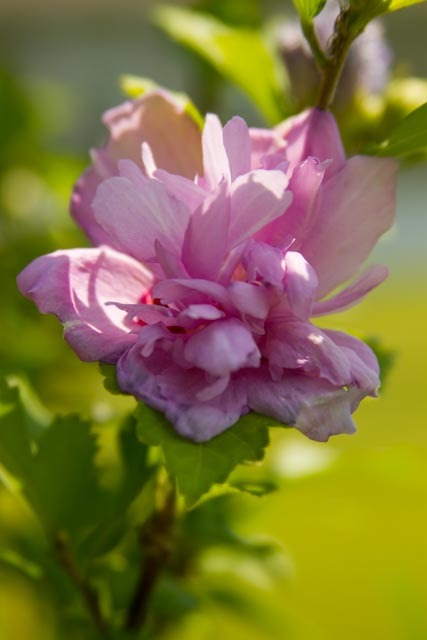
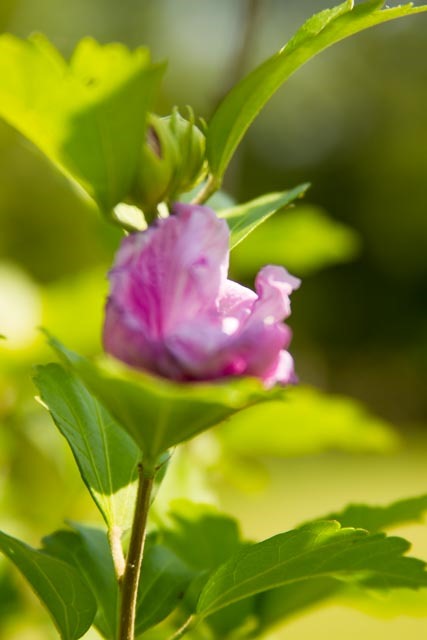
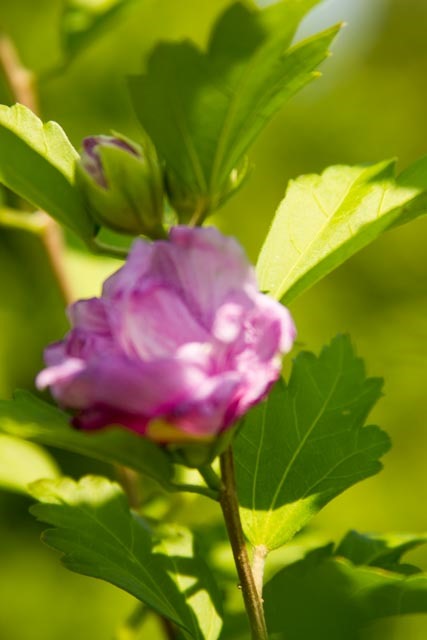
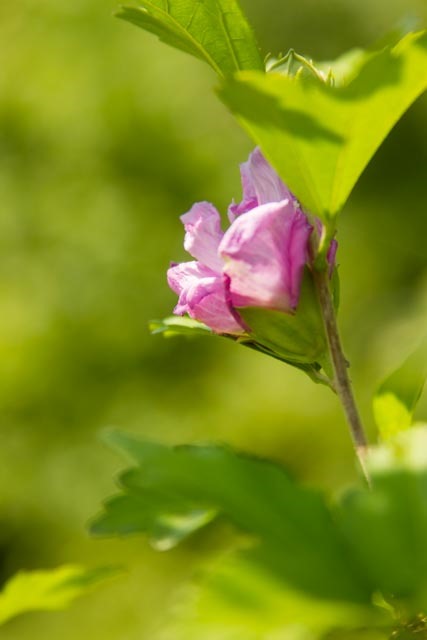
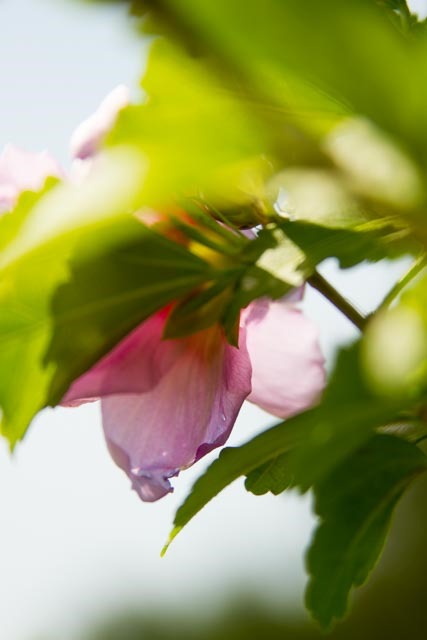
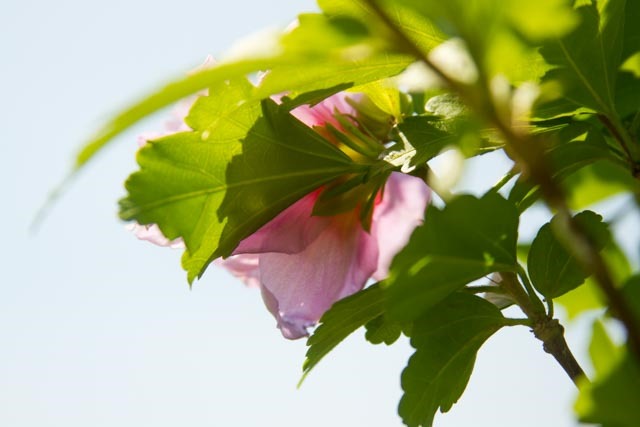
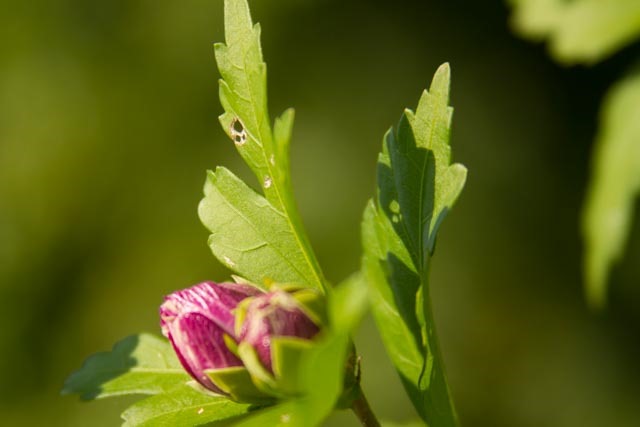
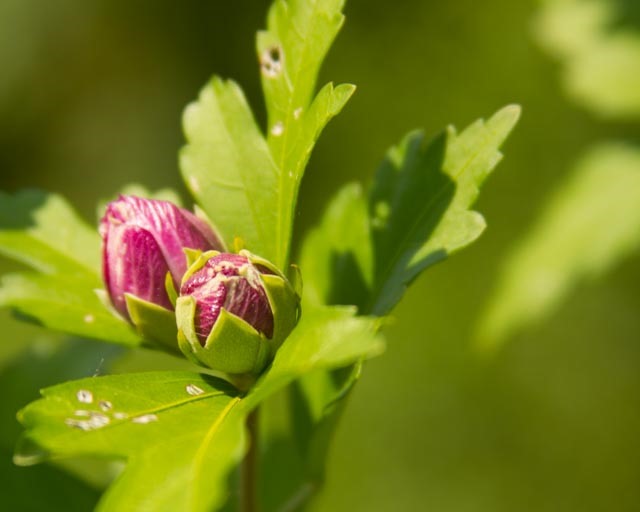
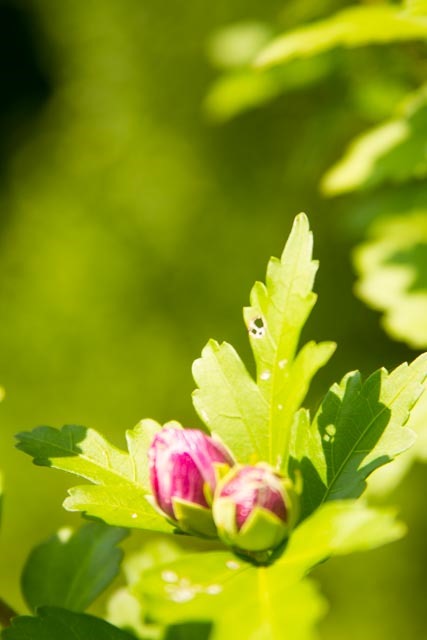
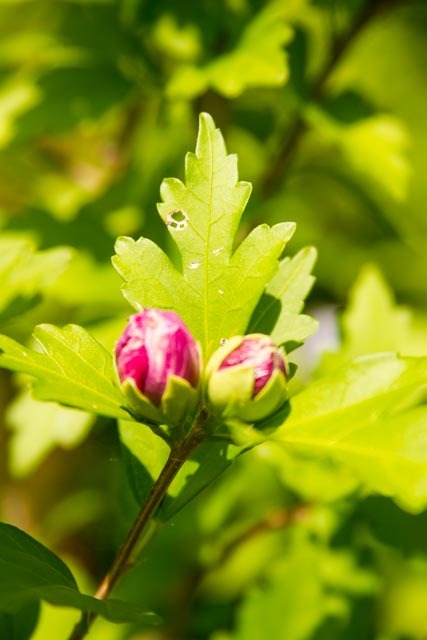
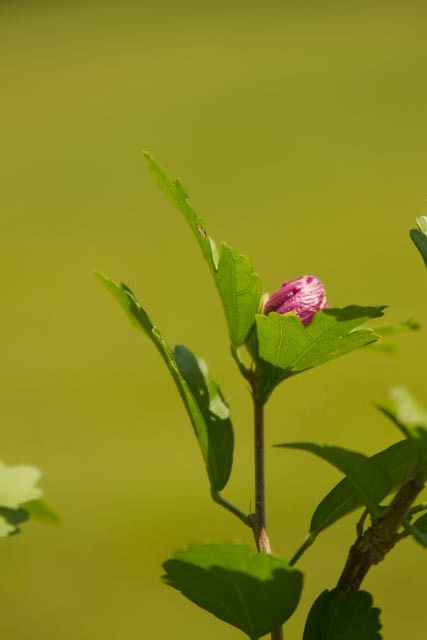
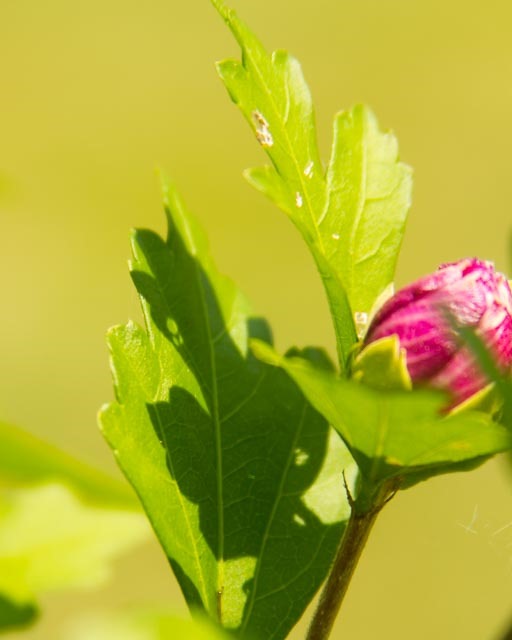
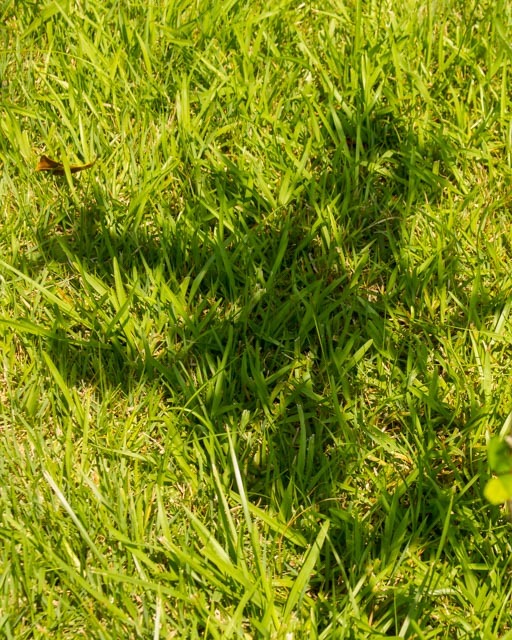
Same subject; 22 images

There is a fairly common photography exercise to teach photographers how to “see.” This morning, after feeling extremely frustrated by all the negative news I was seeing in my Facebook newsfeed, I picked up the camera and went outside for a bit to photograph the beauty that I could find. It is there. And I decided to try the “same subject; 24 images” exercise. I chose 24 as an arbitrary number, but I suppose that number comes from the “good old days” of film photography when we bought rolls of film in either 24 or 36 exposures. In those days, every image counted!

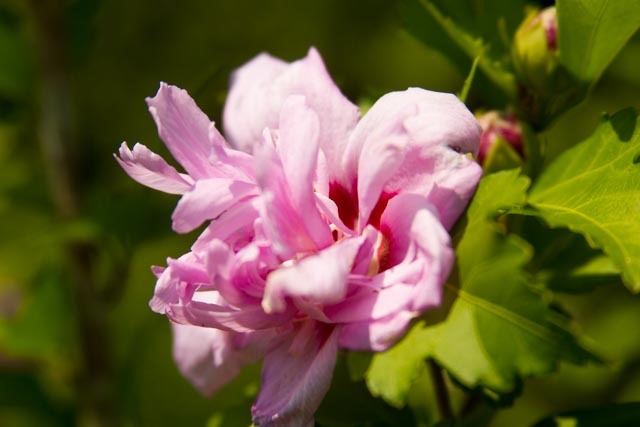
My subject is the Rose of Sharon tree in the front yard. It has more bloom on it this year than I can remember since we transplanted it four years ago. The tree is looking healthy again. I love the color and texture of the bloom, and for now, I am on “eye level” with some of the flowers.

As I looked through the images, I noticed that I tend to up close and personal. I want the textures, the variations in color, the shape to come through. I also tend to look for “transparency” I am going to share only twenty-two of the twenty-eight images I took (okay, give me a break! I’m an ENGLISH teacher, not a mathematician. Forgive me if I can’t count!).
untitled-17untitled-18untitled-19untitled-21untitled-22untitled-23untitled-24untitled-25untitled-27untitled-28untitled-29untitled-30untitled-33untitled-35untitled-36untitled-37untitled-38untitled-39untitled-40untitled-41untitled-43untitled-44

I did minimal editing in Lightroom to improve color, white balance, and contrast. I did crop a few of these to remove some extraneous things that I could not crop out in camera (because I am not tall enough!). I will have to do this more often, and I will have to learn to see differently. (I may be in a rut with the close-up and macro style.)

Late Spring Beauty

This morning, I headed out the door with my school bag as usual at 7:50 thereabouts. It was overcast, but I had seen bits of light as I was gathering up my things to go. I tossed my bag on the passenger seat and looked across the yard toward the pond. There it was—a lone purple flower amongst the little white ones. The flowers were beginning to bud and bloom in my little flower patch.

untitled

Earlier in the year, I bought a bag of mixed wildflower seeds and a mix of flower seeds for “shade.” I read the various varieties in each mix, but I don’t remember all of the types that should be coming up.

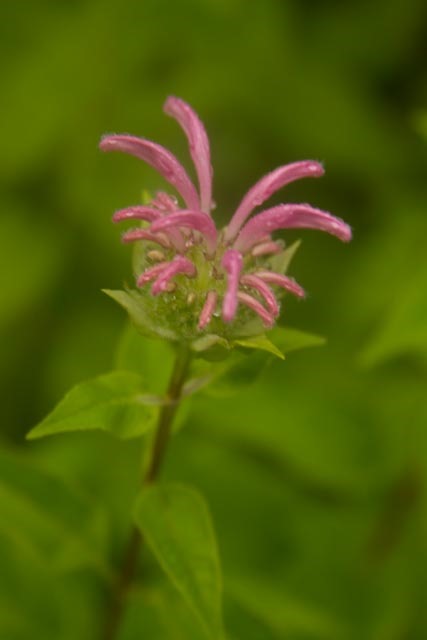
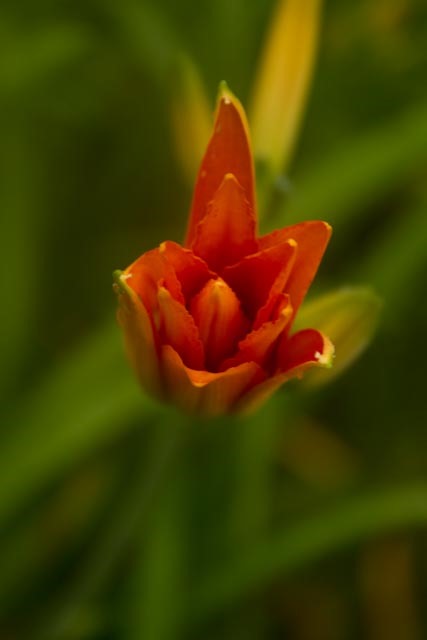
I looked over a little more, and the bee balm is blooming, and day lilies are beginning to open. After yesterday’s rain, these blossoms were a welcome sight.untitled-2untitled-3untitled-5

I am not a gardener, but these plantings are making me happy today.

What if

untitled-26

  • You had an entire weekend to yourself—from Friday evening until Sunday morning?
  • You could focus on nothing but your photography?
  • You could wander around with that camera and look for and find the “extraordinary” in the world around you?
  • You could put aside all judgment and expectations and receive and make the photographic images YOU want to make?
  • You could allow yourself to see what is and not what should be?
  • You could connect with other women photographers for a weekend of sharing and learning and making “art?
  • Would you allow yourself to see with the eyes of your heart?
  • Would you allow yourself
          • To See?
          • To Feel?
          • To Think?
          • To Isolate?
          • To Organize?
          • To Experiment?
          • To Wonder (and Wander)?
          • To Question?
          • To Embrace?

bell-flowers

For a couple of years, I have been reading and studying and practicing “contemplative photography.” Contemplative photography is not a technique or a “system.” It’s a practice; it’s a way of seeing.It’s not a “style” exactly, either, although there are some tell-tale signs that a photographer may or may not practice contemplative photography.

If you are a photographer and you want to spend a weekend in a beautiful setting with like-minded photographers, you may be interested in the Contemplative Photography Retreat. It is still in the planning stages, but it’s coming. It’s been in a five-year gestational period, but it is about to be born.

As the cliché goes, more details to come later in the news.untitled-18

One Word Check-in

I’ve been trying to do the one-word-for-the-year “thing” for several years now to keep my focus on the “important” things. I have the book, and I’ve signed up for Ali Edwards’ year-long course. I am not doing well at keeping up with the course other than reading and reflecting on Ali’s words.

Today, I’m checking in on who I’m doing with my word.

I chose the word “abide” for this year. Something about that word called to me. I know that we often use that word in the negative, as in, “I can’t abide with those beliefs or attitudes” or “I can’t abide that person.” But there is more positive about that word than negative.

“Abide” means to linger, to stay put, to remain in one place; to live in a place for a significant length of time. It means to be rest peacefully in the moment. It seems that sometimes, life gets too hectic, and we, as a society, forget how to “abide.”

That’s what I like about this thing called contemplative photography. It slows me down, forces me to be still, to linger over a moment, to see below the surface. It’s more than “stopping to smell the roses,” though, although certainly, taking the time to smell roses is a good thing! untitled-39

Throughout the Scriptures, we are called to “abide,” to linger. In the King James Version, the word appears 82 times in 77 verses. It must be an important word to focus on. (I know, there are many other words used more often, but when I see a verb used 82 times, I think there must be something important about it!)
The word “abide” has an important theological meaning of remaining with Christ, of being “in union” with Christ. But I think we can extend that to other aspects, especially when I think about photography and the kind of photography that I enjoy most—photographing the natural world. To abide in Nature is to see the hand of God in the world.

untitled-19

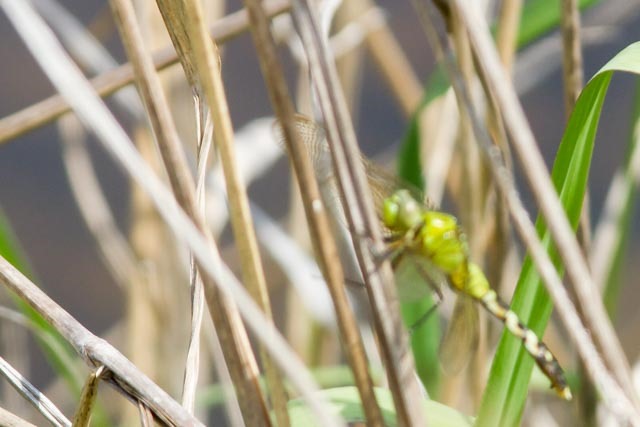
(There is a dragonfly in this image!) It means seeing small things and appreciating the beauty of it. And there is beauty in everything in Creation.

untitled-22

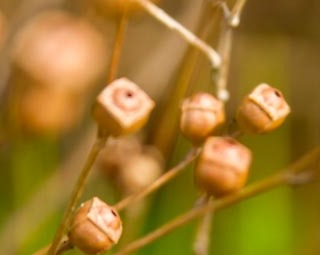
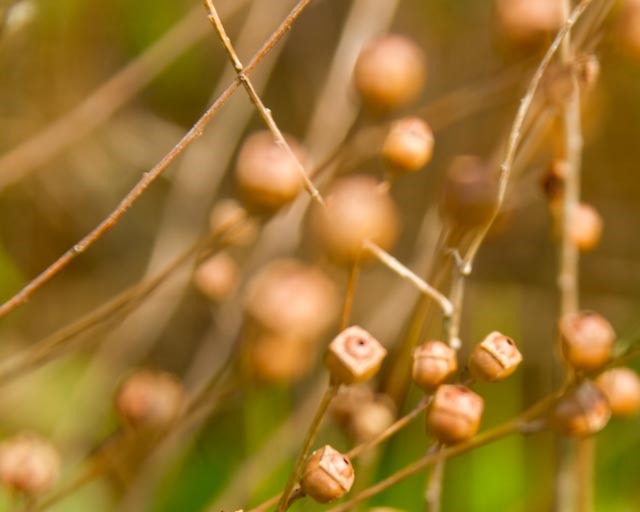
I was surprised when I looked at this image and saw the squares on top of the round “berries” or seeds or whatever these things are. Learning to “abide” is teaching me to see.

Although “abide” often implies a sense of rest or stillness, “abide” has also come to mean “activity” but in a deliberate way, in taking time to be present, whether it is in nature or with other people or with the Word or in a book of fiction. Although I am actively “abiding,” I am also lingering and remaining for more than a moment.

Walking around the Pond

I’ve walked around those seven ponds so many times over the last 32 years that I may be able to do it with my eyes closed. Not that I will, though, because I just might fall in the ponds, and I don’t want to do that again! Once is enough!

But I don’t take those walks “blindly” or casually, either. There is always something new to see—new growth, new beauty. Today was no different. I decided I had to get out of the house for some “vitamin D therapy,” some sunshine. I refilled the bird feeders and put up the new one that Sherry and Aaron gave me for Mother’s Day. By the way, the birds have flocked to the feeders! They must like the new arrangement and the new bird seed! Then I grabbed the camera and went for the walk.

I’m not sure what smells better, the heavy perfume of roses or the sweetness of honeysuckle. Both scents were evident this morning.

untitled-8

I remember picking honeysuckle flowers and licking the nectar. Maybe I will do that one day soon.

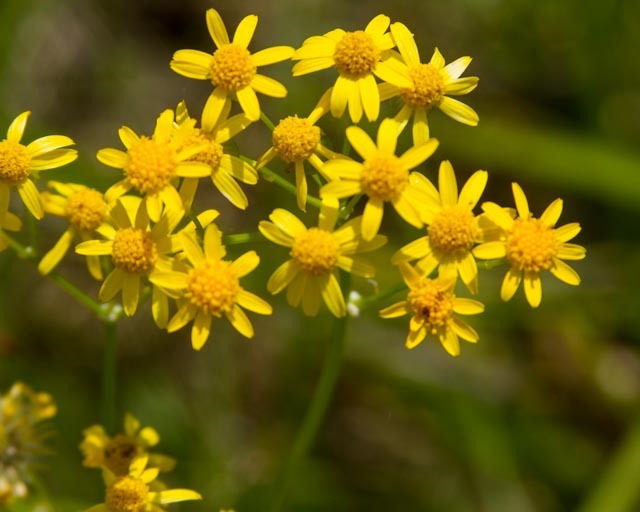
Wildflowers are abundant now—dandelions and other flowers. I know, some people may call them weeds, but they are beautiful.untitled-16

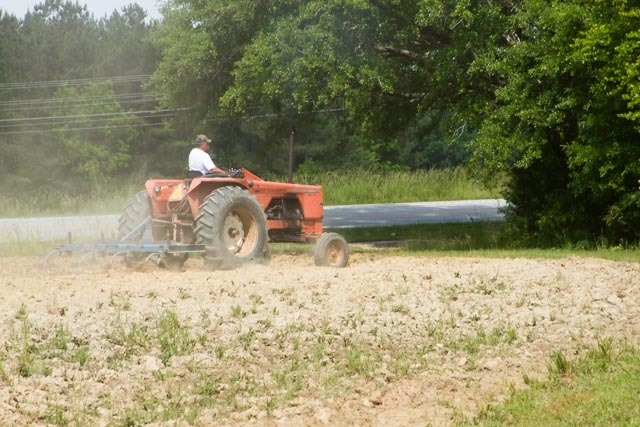
Mr. Leon was plowing the field by one of the ponds. I love the smell of freshly plowed earth. I wonder how long this area will continue to be “rural” and agricultural. It seems that this way of life is going away.

untitled-20

Sometimes nature surprises me. I didn’t see the squares on these “berries” until I went through the images in Lightroom.

untitled-22

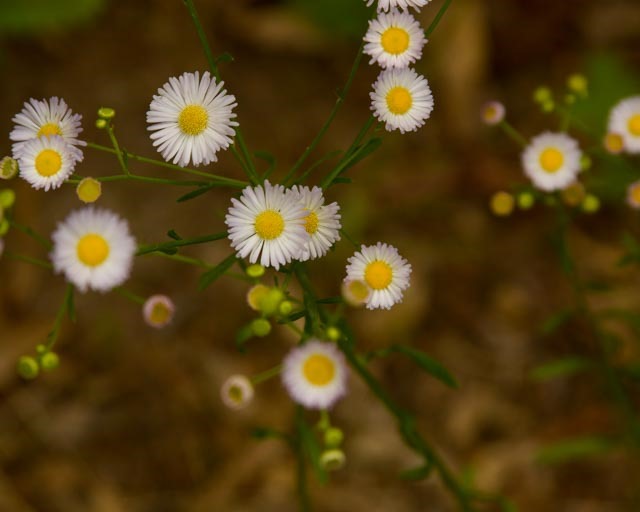
I wish I knew the names of plants better than I do. I discovered today that these little beauties are Robin’s plantain, one of the fleabanes that grow in the Eastern states.

untitled-42

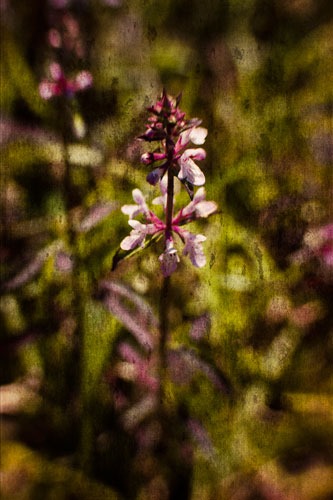
But I don’t know what this pretty purple flower is

untitled-39

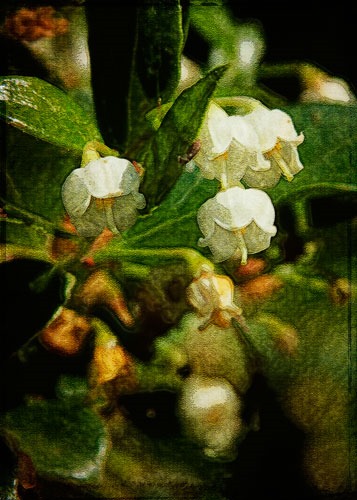
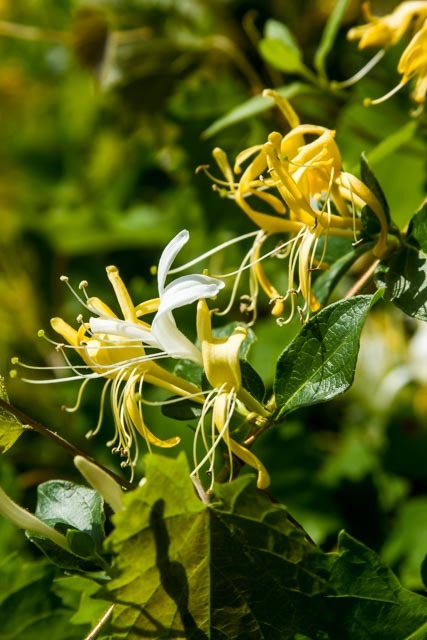
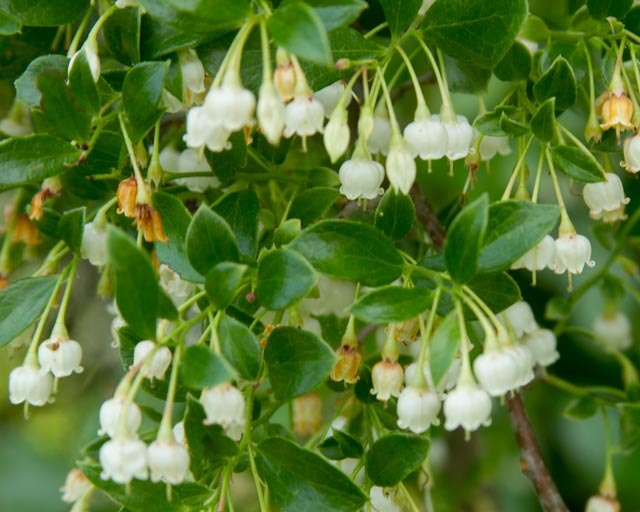
Nor do I know what these bell-shaped flowers are.

untitled-35

Maybe I don’t need to know, though. John Keats once wrote,

‘Beauty is truth, truth beauty,—that is all

    Ye know on earth, and all ye need to know.’ (“Ode on a Grecian Urn”).

Perhaps he is right.

A Day of “Arting”

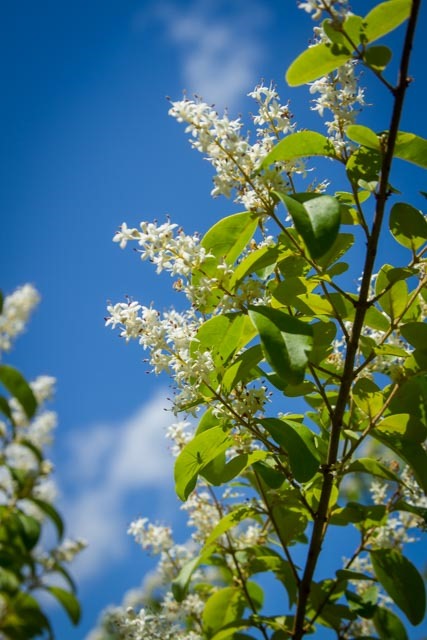
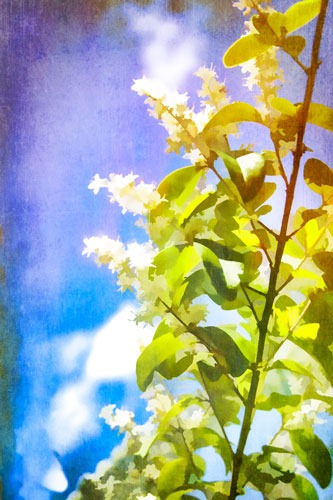
Yesterday, I saw a shrub of some sort waving its white branches at me. I had to fill the bird feeders anyway, so I grabbed the camera and went out for a quick photo shoot. After asking on Facebook for an identification, I found out that it is privet hedge. It is beautiful and smells heavenly. I started with this image:

untitled-2

I applied a texture layer and used Topaz Simplify 4 to apply the “impressionist” effect, and ended with this:

privit-hedge

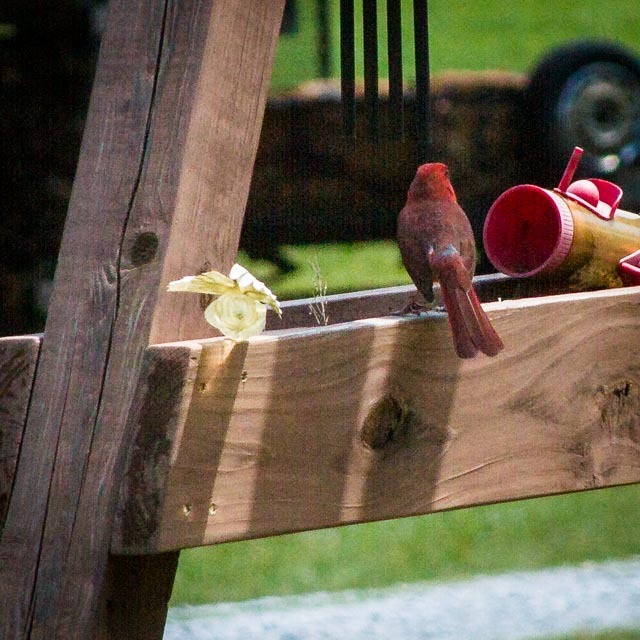
I like this image. But I wasn’t done playing with the images I received yesterday. A lone male cardinal visited the feeders after I filled them. I really did not have the best lens on my camera to get this shot, but I had to try. Cardinals do not like to pose for photographs, and I was hasty. My original image was underexposed, but with a little Lightroom magic, I was able to recover enough details to work with the image. In addition, the background is busy and distracting, and I really had to work with the background to get something I was pleased with.

untitled-7

I cropped the image to a square. Then I used some techniques from Susan Tuttle’s book Digital Expressions to desaturate the background while keeping the color of the subject (the cardinal) and creating a vignette with a color fill layer. This is the result:

cardinal

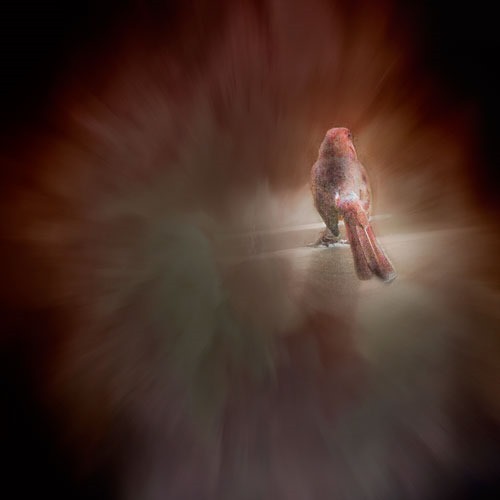
I wasn’t quite satisfied, so I played a little more. I added a texture overlay in vivid light mode and the spot light effect from the filter|Render menu in CS6. After playing a bit with opacity, I ended with this:

cardinal-2

There is a Native American legend that says that cardinals are visitors from heaven. I suppose this little bird is such a visitor.

That Feeling of Disconnect

untitled-34

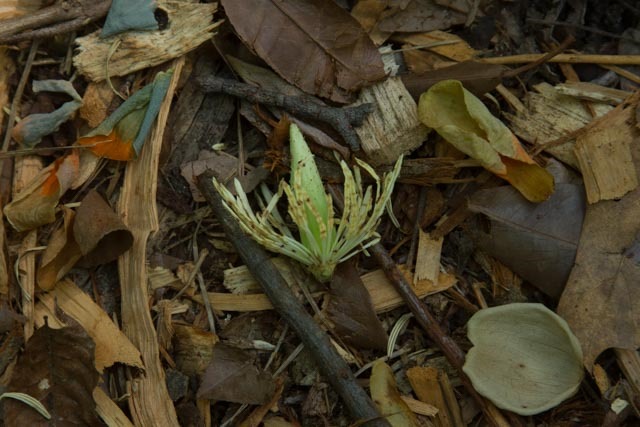
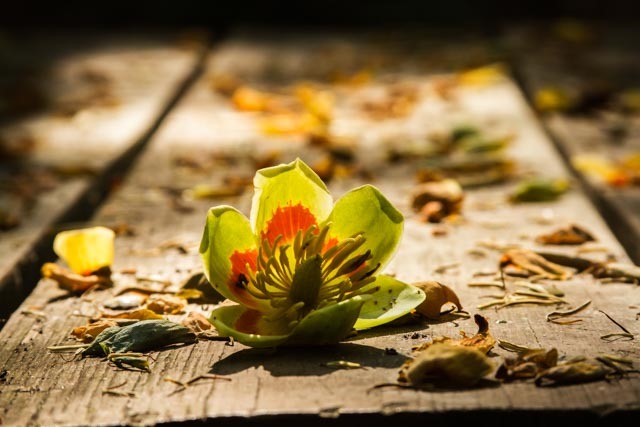
I’ve felt disconnected today, a little like this tulip poplar bloom, or rather what’s left of it—petals scattered around on the ground.  I felt disconnected from my camera yesterday—not sure really why. I checked the settings; I tried some “new” stuff. I even switched lenses. My Lensbaby usually sparks something. But yesterday, I was disconnected.

I thought about that today as I wrote my usual morning pages. There are mornings when the words flow from the pen as the ink flows through the nib. Today, the ink ran out. Really, the ink ran out, and instead of words flowing, they skipped, spaces between the letters, blanks. Disconnected.

I had set an intention this month of participating in the 100 Days Project. My intention was/is to create something daily—whether it’s the flower drawing in my planner or some kind of digital art or some paper craft. And I have, but today, I feel disconnected. I pick up the tools—camera, colored pencils, mouse, Wacom tablet and stylus. . . . And I wait.

Yet, in spite of the disconnect, I am still showing up. I wrote those morning pages—all three of them. I haven’t drawn the flower yet, or created something from the digital images I received yesterday. Instead, I’ve gazed out the window at the cardinals swooping in for the seeds in the feeders. I’ve read a sappy Regency romance. And I haven’t cheated yet to get to see how it’s going to end. I loaded my essential oil diffuser with an Elevation blend (doTerra). And I am “indulging” myself. I am seeking the connections. I am learning the value of showing up even in the disconnect. For, as “they” say, “This, too, shall pass.”

untitled-36

His Eye Is on the Sparrow. . . .

finch

I was the pianist for the early service this morning at church. I searched and searched for a prelude  to use this morning, and nothing worked for me yesterday. I simply had no idea what I was going to play until this morning as I was assembling my notebook before going to church. I saw a couple of things that looked “interesting”: “To God Be the Glory,” “His Eye Is on the Sparrow,” to name them. I decided to use the latter as the prelude and the former as the postlude.

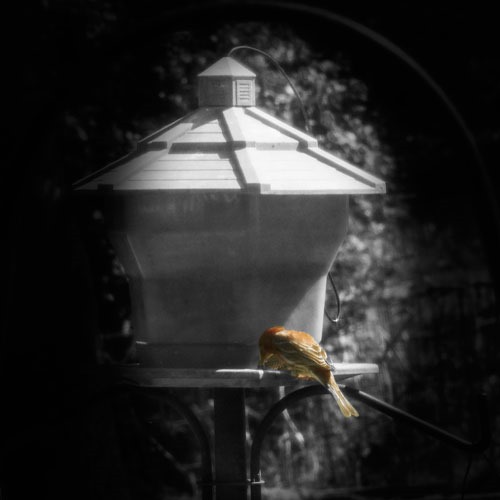
And that’s a long-winded way to explain my photo. I came home from church and fixed my bagel for breakfast. As I sat down to eat, I looked out the window at the bird feeders, and this house finch was having his breakfast, too! I grabbed the camera found the CF card, and snapped just a couple. Then, I played.

I had ordered Susan Tuttle’s book, Digital Expressions, which is a a collection of tutorials for creating digital art in Photoshop Elements. Last night I began working through a couple of the first ones, the easier ones. Lesson one, as I call it, is how to create a vignette, while the second lesson is about creating a pop of color. Well, my finch is not exactly brilliantly colored, but I did want to isolate him and let him be the focal point in the image. I could have cropped the image closer, but I wanted the context of the feeder. So I combined the two lessons.

First, I used the marquee tool to trace around the bird. After selecting it, I used Shift-Control-I to “inverse” it. I created a Hue-Saturation layer, and desaturated the image. I did have to clean up the image a bit with the clone tool. Then I increased the contrast a bit (36% or so). I merged the layers before creating the vignette.

To create the vignette, I used the elliptical marquee tool to mark the feeder and the bird, “inversed” the selections, and added a new fill layer. I used black as the color to fill. I set the feather setting between 40 and 60 (I forgot the actual setting). I lowered the opacity of the vignette to about 80% so that it would blend a little bit better.

I like the results. The finch is the focal point; desaturating the background puts the emphasis on the bird, which is still in color, and the vignette draws the eye to the bird as well. I think this is a good way to hide a busy background.

Making New Memories

I know I’ve written about Daddy quite a few times, about how he has been such a rock for our family. It’s been eight months since he passed away at the age of eighty-eight years old. Last month, he would have celebrated his eighty-ninth birthday.

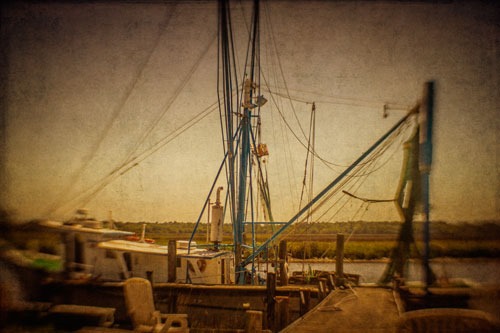
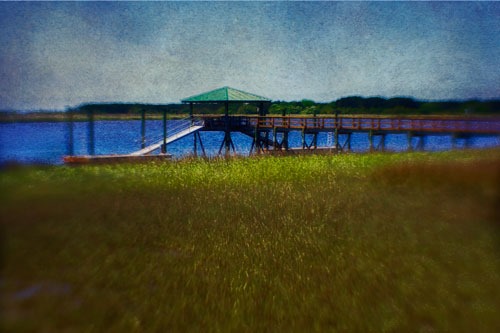
I spent the weekend with my mother, who will be eighty-one next month, at the family’s “retreat” in a small coastal community called Bennett’s Point in South Carolina. It is a place where time seems to have stood still for a while. Oh, there is a paved road, a volunteer fire department, several small churches, and quite a few new houses with all the modern conveniences, including satellite TV and Internet. The Baldwin family still runs B&B Seafood, even though St. Jude has come in as a distributor of seafood to local venues. The Billie B, a shrimper, still docks at the landing, as well as a couple of other trawlers along Mosquito Creek (aptly named, I might add).

My brother and his family also joined us for the weekend. While they went out on their boat fishing and riding around, Mama and I took walks, visited with friends, went “sight-seeing,” and read the days away. In the evening, we gathered for supper. James and I shared memories of our childhood and a few of the adventures we had. We remembered going to Owensboro, Kentucky, when Daddy was the sight superintendent for the construction of an addition to a Holiday Inn there. James is five years younger than I am, and I wasn’t sure he would have the same memories I had. He did remember going on a tour of one of Kentucky’s distilleries and swimming in the pool at the Holiday Inn. He also remembered seeing the Delta Queen travel through the locks on the Ohio River as the grand old lady made her way to New Orleans to have her steam engines converted to diesel power. We both remembered the old steam calliope playing as it entertained the spectators who sat along the bank of the river as well as the passengers on the steamer. It was an evening of laughter and of tears, too, because we missed hearing Daddy’s take on those events. What stories he would tell!

I don’t go to Bennett’s Point often, but I find it a place of peace and restoration and remembrance.

Billie-B

dock-on-the-marsh

wildflowers

Bennetts Point church

“Arting” and Art-Making

Jennifer Upton calls it “arting.”

Some others may call “art making.”

Sometimes, I just have to do it, whatever it is that I do. There is a need to create something, and often I don’t know what it is that I’m creating. I don’t know how to classify it.

I take a photograph that I’ve made and I change it.

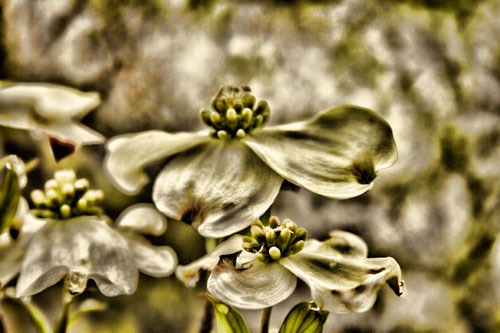
An “ordinary” dogwood becomes this:

topaz-adjustments-on-dogwood

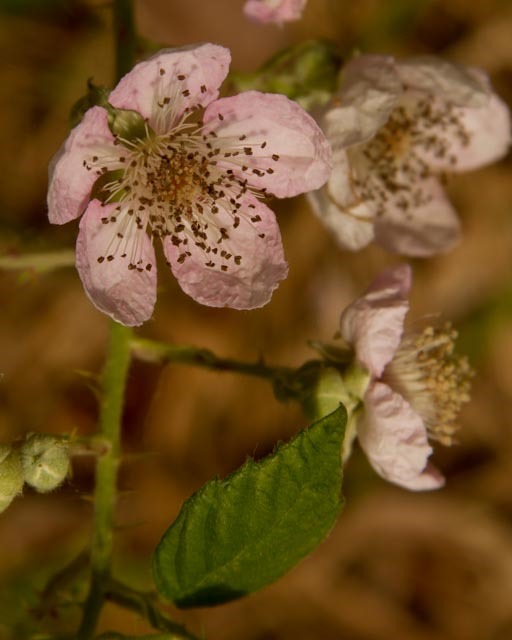
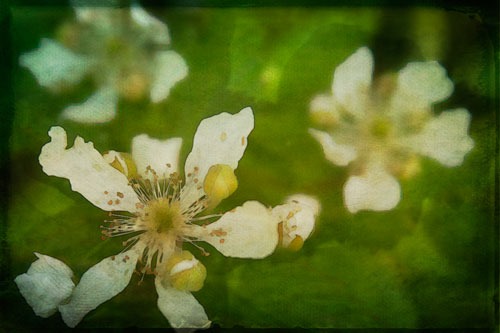
Wild blackberries become this:

blackberries

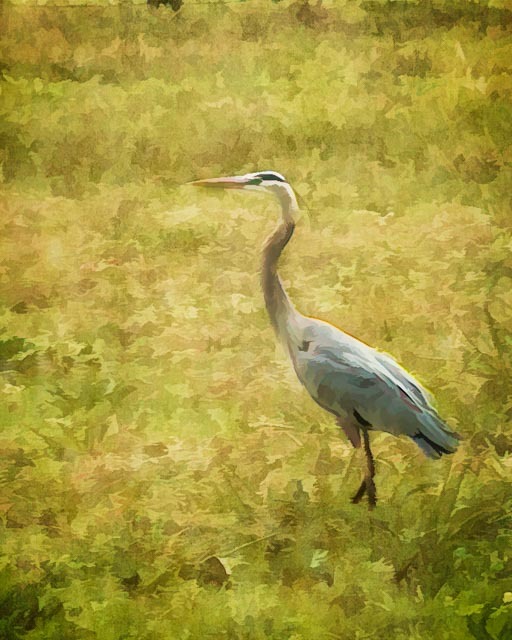
And a heron becomes this:

heron at bennetts point

Each version speaks in ways that I can’t define. And maybe I shouldn’t try to define the images. I know that I wanted to experiment with a different look. Sometimes, I think I know what my artistic style is, and then again, something changes.

In the meantime, I will keep my open for beauty and simplicity and reverence around me.