The Beauty around Us

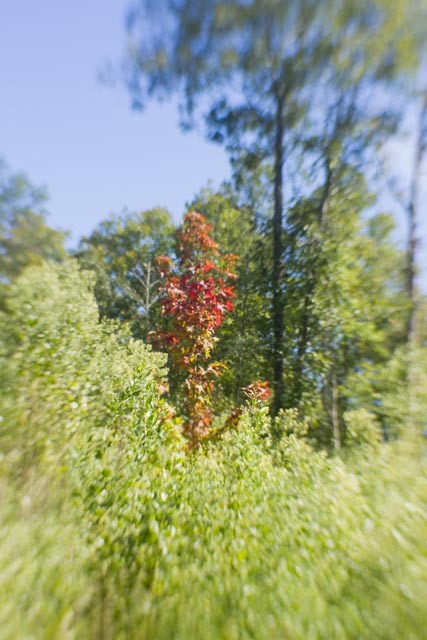
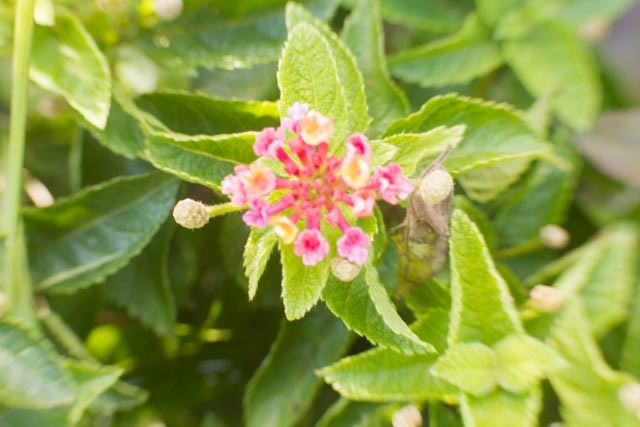
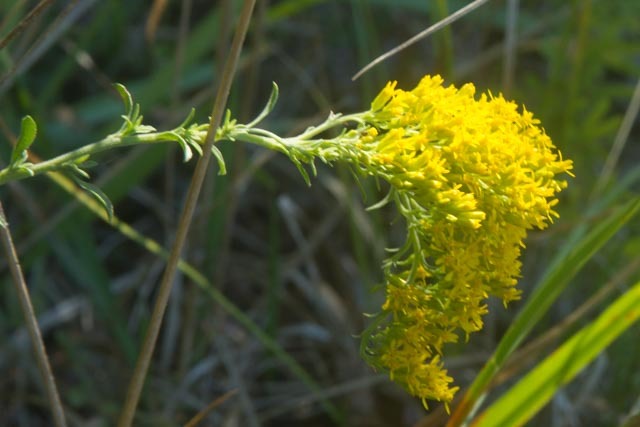
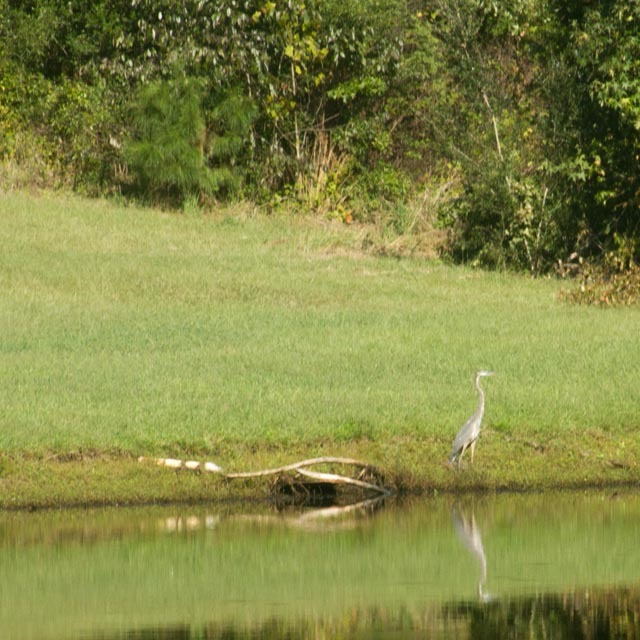
Every so often, once a week or so, sometimes, only twice a month, I take my trusty “big girl camera” out for a walk around the ponds on the property where I’ve lived for the last thirty-two years. You’d think I’d know the landscape and the scenery well by now, and I do. I know where to find the acorns, the grape vines, the persimmons, the ragweed, and the goldenrod. I can anticipate where I’ll have a smattering of red leaves on the dam between Gramps’s and Herbert’s ponds. I can even anticipate seeing a heron fishing in the shallow waters of one of those ponds. I know them well.
untitled-20

untitled-22

untitled-39

untitled-40

untitled-60

Yet, when I walk with the camera, I am open to receive whatever there is to see—something new, something old, something rather ordinary. This is what contemplative photography practices allow us to do—to open ourselves up to the experience at that moment but with no preconceived ideas about what we may allow our cameras to receive.

That is the first step in my process—to go for a walk without expectations.

Now, I do admit that I do think about the technical aspects of craft usually before I walk. I admit, openly and unashamedly, that 90% of the time, I set my camera for aperture priority (AV on the Canon). I want to control the depth of field because I love that creamy out-of-focus background, and the easiest way for me to achieve that effect is to set the aperture “wide-open” and keep it there. Today, however, I used an aperture of f16—the “sunny sixteen” setting. I was still able to get an out-of-focus background on most of the images I took, especially on the closeup shots, but I was also able to keep more of my main subject in focus.

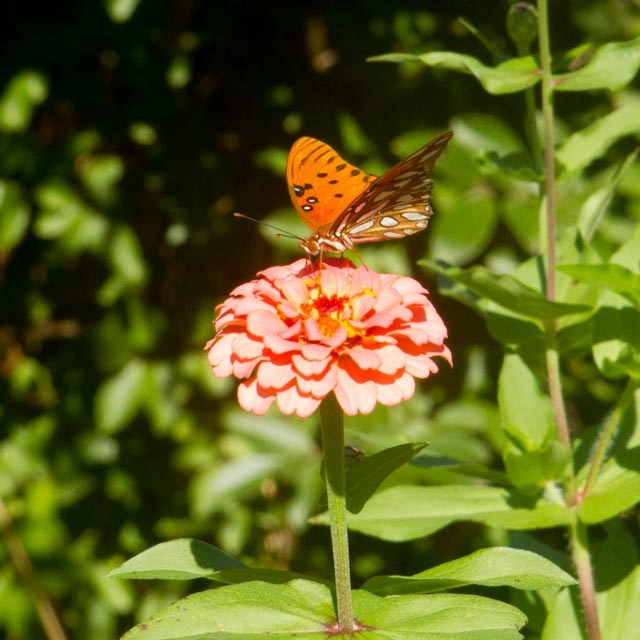
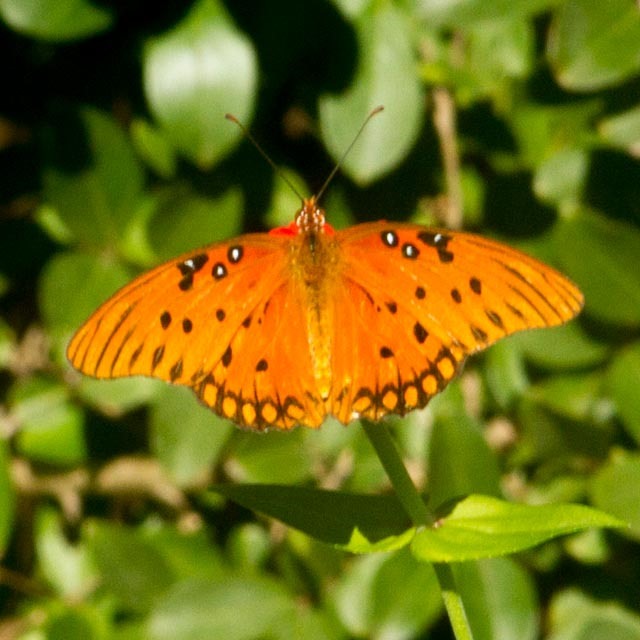
The editing process today was pretty simple in Lightroom. Now, I do have a bunch of presets (I just bought some more today. . . .). I may go back and fine tune my editing later with the presets, but today I manually edited. I read an article on editing that recommended cropping the image first. So, each selected image was cropped. I found that today, I preferred the 1:1 crop (square).
untitled-68

untitled-72

Next, I adjusted the sliders for black and white, finding that “absolute” black point first. I turned on the the little triangles to show the clipping, and I pulled the black slider all the way to the left to get a big blob of blue; then I eased the slider back to the right until I had just little sprinkles of blue in the darkest part of the image. For the white point, I moved the slider as far to the right as I could, and then pulled back to the left until there were just sprinkles of red in the white sections. I then adjusted the shadows and highlight sliders until I liked what I saw.

Folks, that was it. That’s all the editing that I did today. Nothing hard and tedious. I think I spent about an hour culling my images to nineteen that I liked out of seventy-two. There are some others I want to play with later.

Lesson 1: Consider Your Vision

What is your vision as a photographer? Have you thought about it? Do you have a vision?

I read about photographers who talk about “style.” And I wonder what my style is. Do I even have a style? And I read about writers who talk about “voice.” I even teach writers to find their voices and to adapt their voices to their purposes for writing.

I don’t necessarily do the same to my own photography. This month, while I’m on hiatus from teaching written communication and composition, I am going to work through some of the lessons in David de Chemin’s book The Visual Toolbox, his vision of what a photography curriculum should include. The first lesson is a tough one: “Consider Your Vision.” De Chemin often puts vision ahead of technical matters of photography. For him, the “narrative” and the emotion conveyed by the image is more important than technical considerations of equipment and settings.

The first assignment is this: look through your photographs and identify your favorite images, not the ones that everyone else likes or the ones that are technically perfect (although they may be one and the same at times), but the ones that you like. Look for the things that they have in common and identify those elements. Some things to look for: subjects, color, lighting. These are part of your vision.

I am looking through my Lightroom catalog and identifying some of my favorite images. This is one of my most recent images:untitled-30

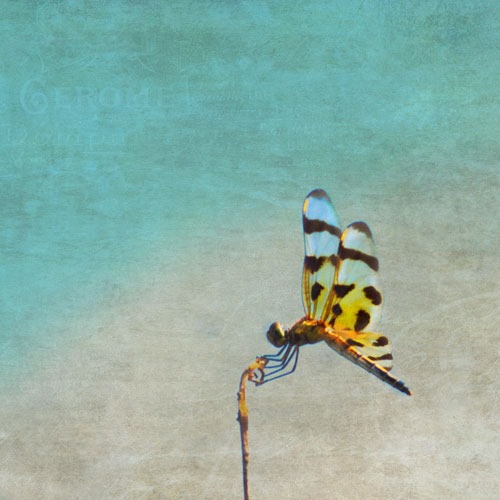
It is typical of my usual subject: nature. I tend to capture nature a lot! Well, it’s a handy subject for me! I live “in the country” and have lots of things to see. It’s not easy capturing a dragonfly, though, and I was lucky to get this one. And I did have to crop in a bit so that you could see the thing. I am in awe of Creation and the beauty that God has created in nature.  I also like to make images that have lots of “white space” around the subject so that I can add textures when I’m editing to give my images a painterly look.

dragonfly

I also look for textures in nature, especially in florals.

untitled-37untitled-4

And I like to see the little details, such as those little “spikes” in the button bush flowers. I find that I use my lenses “wide open” with large apertures so that I can focus on my subject and create a blurred background.

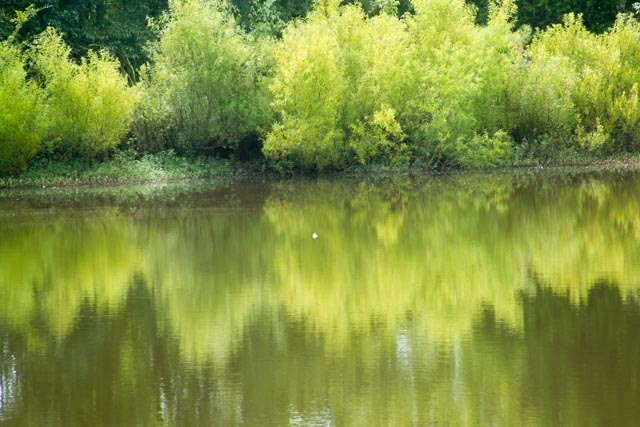
Another thing I’m drawn to is reflections.

untitled-45

Just another way of seeing the world.

This is just the beginning of seeing what my vision is. What is your vision as a photographer?

A Day of “Arting”

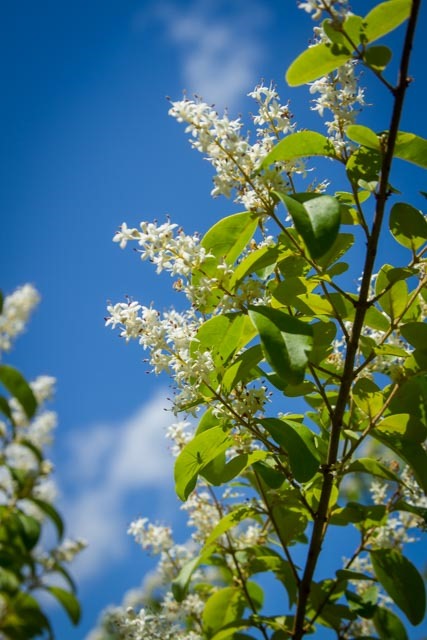
Yesterday, I saw a shrub of some sort waving its white branches at me. I had to fill the bird feeders anyway, so I grabbed the camera and went out for a quick photo shoot. After asking on Facebook for an identification, I found out that it is privet hedge. It is beautiful and smells heavenly. I started with this image:

untitled-2

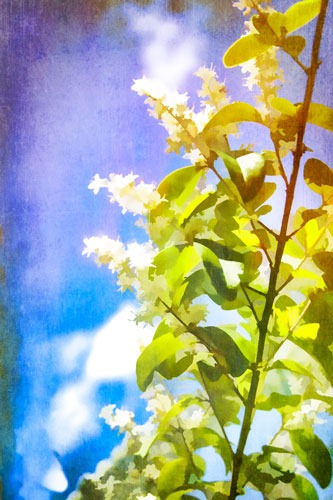
I applied a texture layer and used Topaz Simplify 4 to apply the “impressionist” effect, and ended with this:

privit-hedge

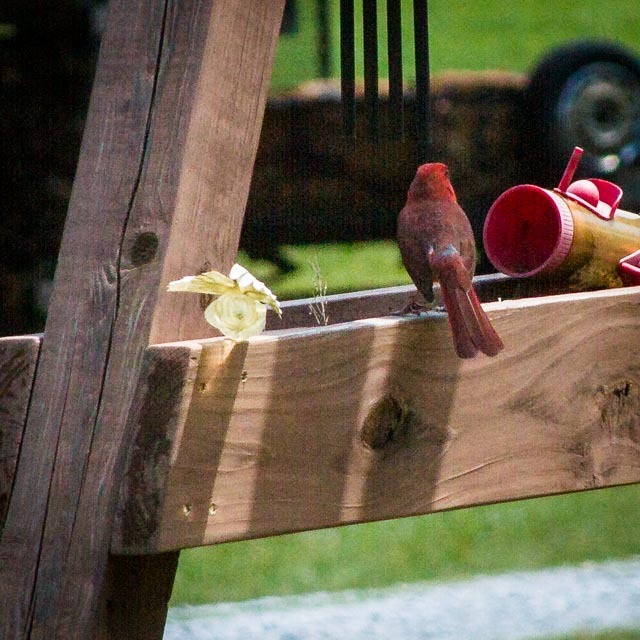
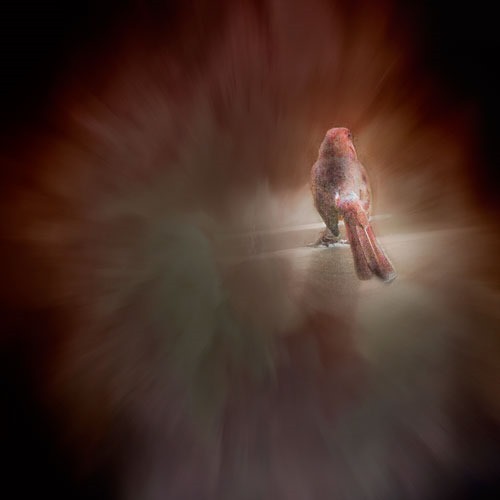
I like this image. But I wasn’t done playing with the images I received yesterday. A lone male cardinal visited the feeders after I filled them. I really did not have the best lens on my camera to get this shot, but I had to try. Cardinals do not like to pose for photographs, and I was hasty. My original image was underexposed, but with a little Lightroom magic, I was able to recover enough details to work with the image. In addition, the background is busy and distracting, and I really had to work with the background to get something I was pleased with.

untitled-7

I cropped the image to a square. Then I used some techniques from Susan Tuttle’s book Digital Expressions to desaturate the background while keeping the color of the subject (the cardinal) and creating a vignette with a color fill layer. This is the result:

cardinal

I wasn’t quite satisfied, so I played a little more. I added a texture overlay in vivid light mode and the spot light effect from the filter|Render menu in CS6. After playing a bit with opacity, I ended with this:

cardinal-2

There is a Native American legend that says that cardinals are visitors from heaven. I suppose this little bird is such a visitor.

His Eye Is on the Sparrow. . . .

finch

I was the pianist for the early service this morning at church. I searched and searched for a prelude  to use this morning, and nothing worked for me yesterday. I simply had no idea what I was going to play until this morning as I was assembling my notebook before going to church. I saw a couple of things that looked “interesting”: “To God Be the Glory,” “His Eye Is on the Sparrow,” to name them. I decided to use the latter as the prelude and the former as the postlude.

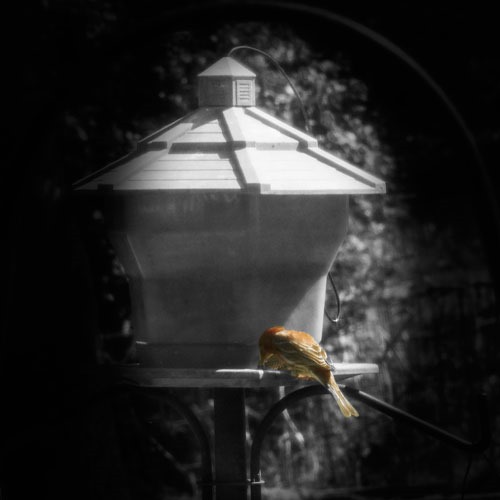
And that’s a long-winded way to explain my photo. I came home from church and fixed my bagel for breakfast. As I sat down to eat, I looked out the window at the bird feeders, and this house finch was having his breakfast, too! I grabbed the camera found the CF card, and snapped just a couple. Then, I played.

I had ordered Susan Tuttle’s book, Digital Expressions, which is a a collection of tutorials for creating digital art in Photoshop Elements. Last night I began working through a couple of the first ones, the easier ones. Lesson one, as I call it, is how to create a vignette, while the second lesson is about creating a pop of color. Well, my finch is not exactly brilliantly colored, but I did want to isolate him and let him be the focal point in the image. I could have cropped the image closer, but I wanted the context of the feeder. So I combined the two lessons.

First, I used the marquee tool to trace around the bird. After selecting it, I used Shift-Control-I to “inverse” it. I created a Hue-Saturation layer, and desaturated the image. I did have to clean up the image a bit with the clone tool. Then I increased the contrast a bit (36% or so). I merged the layers before creating the vignette.

To create the vignette, I used the elliptical marquee tool to mark the feeder and the bird, “inversed” the selections, and added a new fill layer. I used black as the color to fill. I set the feather setting between 40 and 60 (I forgot the actual setting). I lowered the opacity of the vignette to about 80% so that it would blend a little bit better.

I like the results. The finch is the focal point; desaturating the background puts the emphasis on the bird, which is still in color, and the vignette draws the eye to the bird as well. I think this is a good way to hide a busy background.

O Wind, If Winter comes, can Spring be far behind?

Anyone who knows me, knows that my received my Masters degree in English literature, specializing in the literature of the nineteenth century. I love my Romantic poets—Keats, Shelley, Byron, Wordsworth, Coleridge, the Pre-Raphaelites, the Brontes. . . . . The more Gothic, the better!

When I am walking and looking for images to receive in my camera, I tend to think in terms of poetry, especially metaphor and symbolism, mood, setting. Those elements speak to me somehow, and at times, I do think that photography is, as Chris Orwig says, “visual poetry.”

This winter has been gloomy—cloudy, rainy, wet. More often than not, I’ve been kept indoors by the rain than by the cold. In terms of temperature, it’s been a mild winter. Just WET!
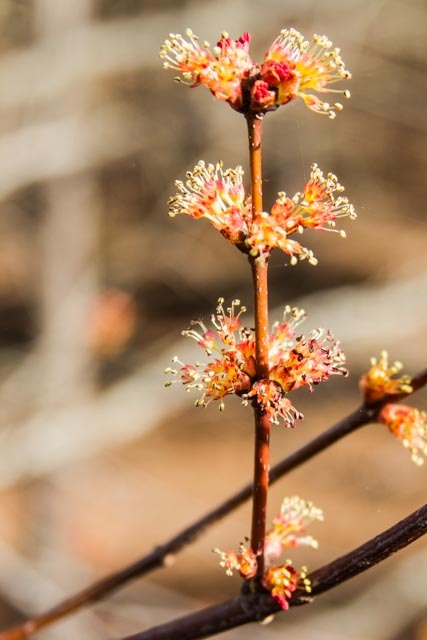
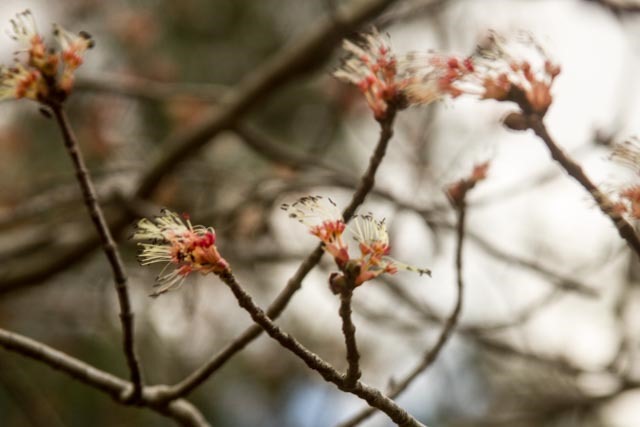
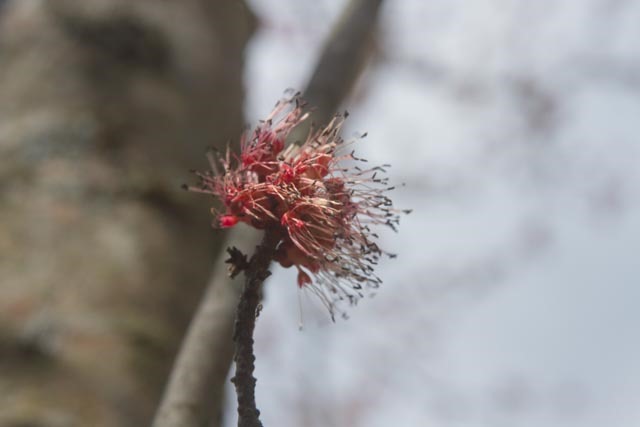
But lately, I’m seeing signs of spring. I went for a walk through Dreher Island State Park yesterday as well as through my backyard. Shelley had it right. When there is winter, spring is not far behind.

untitled-23

untitled-4

untitled-6-2

untitled-3

untitled-10

untitled-14

untitled-17

Here is Shelley’s complete poem:

Ode to the West Wind

Percy Bysshe Shelley, 1792 – 1822

I

O wild West Wind, thou breath of Autumn’s being,
Thou, from whose unseen presence the leaves dead
Are driven, like ghosts from an enchanter fleeing,

Yellow, and black, and pale, and hectic red,
Pestilence-stricken multitudes: O thou,
Who chariotest to their dark wintry bed

The wingèd seeds, where they lie cold and low,
Each like a corpse within its grave, until
Thine azure sister of the Spring shall blow

Her clarion o’er the dreaming earth, and fill
(Driving sweet buds like flocks to feed in air)
With living hues and odours plain and hill:

Wild Spirit, which art moving everywhere;
Destroyer and Preserver; hear, O hear!


II

Thou on whose stream, ‘mid the steep sky’s commotion,
Loose clouds like Earth’s decaying leaves are shed,
Shook from the tangled boughs of Heaven and Ocean,

Angels of rain and lightning: there are spread
On the blue surface of thine airy surge,
Like the bright hair uplifted from the head

Of some fierce Maenad, even from the dim verge
Of the horizon to the zenith’s height,
The locks of the approaching storm. Thou dirge

Of the dying year, to which this closing night
Will be the dome of a vast sepulchre
Vaulted with all thy congregated might

Of vapours, from whose solid atmosphere
Black rain, and fire, and hail will burst: O hear!


III

Thou who didst waken from his summer dreams
The blue Mediterranean, where he lay,
Lulled by the coil of his crystalline streams,

Beside a pumice isle in Baiae’s bay,
And saw in sleep old palaces and towers
Quivering within the wave’s intenser day,

All overgrown with azure moss and flowers
So sweet, the sense faints picturing them! Thou
For whose path the Atlantic’s level powers

Cleave themselves into chasms, while far below
The sea-blooms and the oozy woods which wear
The sapless foliage of the ocean, know

Thy voice, and suddenly grow grey with fear,
And tremble and despoil themselves: O hear!


IV

If I were a dead leaf thou mightest bear;
If I were a swift cloud to fly with thee;
A wave to pant beneath thy power, and share

The impulse of thy strength, only less free
Than thou, O Uncontrollable! If even
I were as in my boyhood, and could be

The comrade of thy wanderings over Heaven,
As then, when to outstrip thy skiey speed
Scarce seemed a vision; I would ne’er have striven

As thus with thee in prayer in my sore need.
Oh! lift me as a wave, a leaf, a cloud!
I fall upon the thorns of life! I bleed!

A heavy weight of hours has chained and bowed
One too like thee: tameless, and swift, and proud.


V

Make me thy lyre, even as the forest is:
What if my leaves are falling like its own!
The tumult of thy mighty harmonies

Will take from both a deep, autumnal tone,
Sweet though in sadness. Be thou, Spirit fierce,
My spirit! Be thou me, impetuous one!

Drive my dead thoughts over the universe
Like withered leaves to quicken a new birth!
And, by the incantation of this verse,

Scatter, as from an unextinguished hearth
Ashes and sparks, my words among mankind!
Be through my lips to unawakened Earth

The trumpet of a prophecy! O Wind,
If Winter comes, can Spring be far behind?

This poem is in the public domain.

The Best of Intentions . . . .

I did start the year with the best of intentions to write regularly in this space. Unfortunately, like so many intentions, this one fell by the wayside—again. The good thing about this space is that it is forgiving. it sits here waiting patiently until I come back to it.

Today, I made myself leave the house and go for a long walk. According to my FitBit, I walked for 71 minutes. Now you have to realize that I took the camera with me. So that meant I stopped—often—to take pictures, or to receive images, as Christine Valters Paintner would say. The weather was excellent, if breezy. At least the wind did not try to blow me off the planet as it did last week.

There were signs of spring and renewal all over Dreher Island State Park today. I will let the images speak for themselves.

untitled-5

I had to fight against the wind to get these images. I hope I can get back to the park to see how these beauties look in a few days when they are fully open. (I’m also waiting for my flowering cherry tree to bloom.)

untitled-7

untitled-14

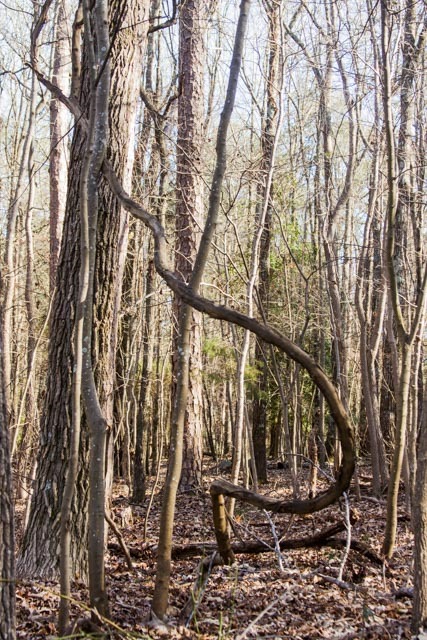
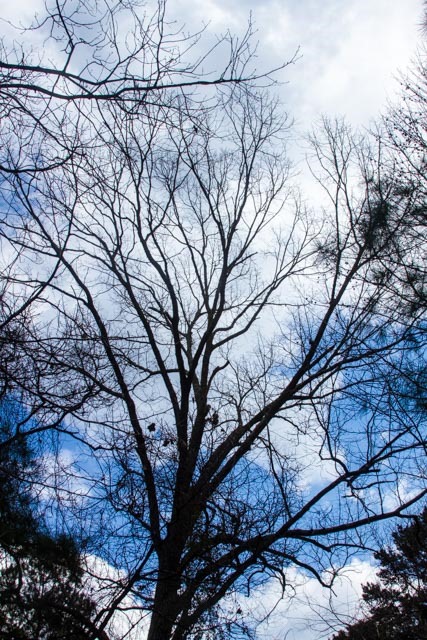
Today’s prompt for the Capture Your 365 Challenge was “spire.” I immediately thought of church spires and steeples, but rather than do the obvious, I chose to photograph trees reaching to the heavens, branches raised in a glorious hallelujah of their own.

untitled-17

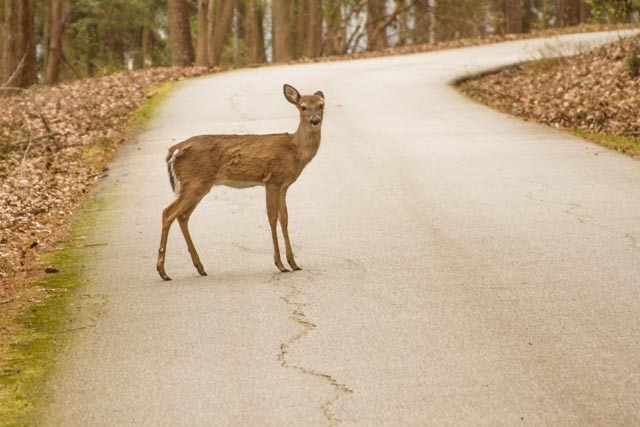
Because there is no hunting allowed in the state park, the deer are very tame. This is the last of four that crossed in front of me. I looked at the deer; the deer looked at me. Then satisfied that he had seen enough of the human with the camera, it walked sedately into the woods to join the rest of the herd.

untitled-46

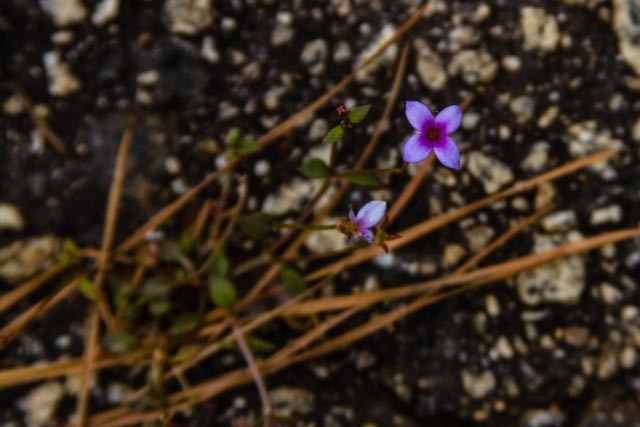
And we humans cannot stop nature from doing her thing. These tiny flowers were growing in the cracks of the asphalt parking lot. I don’t know what they are called, but to me, they are tiny purple stars.

And after I came home and downloaded the images, I had to play in Photoshop.

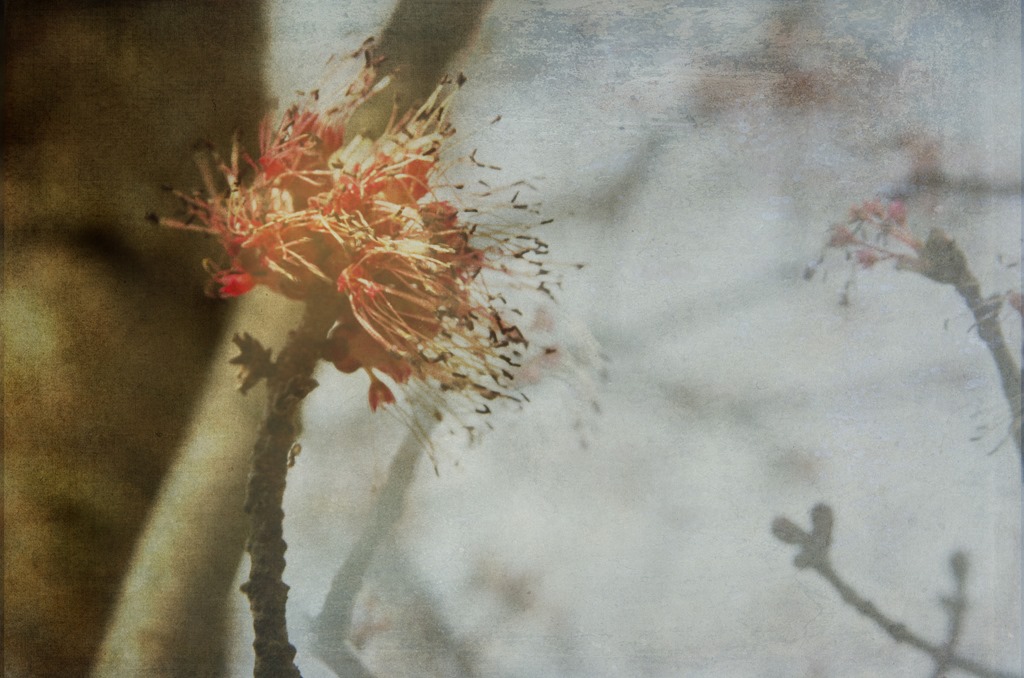
You see the original in the second photo above. This is the final result.spring bloom

I like the “grunge” look, and I’ve been working through Sebastian Michaels’ Photoshop Artistry class to learn how to combine and blend layers to create something like “fine art.” I still have a lot to learn about manipulating layers. So much of what I do is trial and error. (However, my son likes it!)

Winter Solstice 2015

I am taking an online class called “Sacred Time” during this Advent season into the Christmas season. I think the class ends around Epiphany, January 6. One of the themes throughout these first two weeks of class is to find the rhythm of the day, and for me that would extend through the seasons.
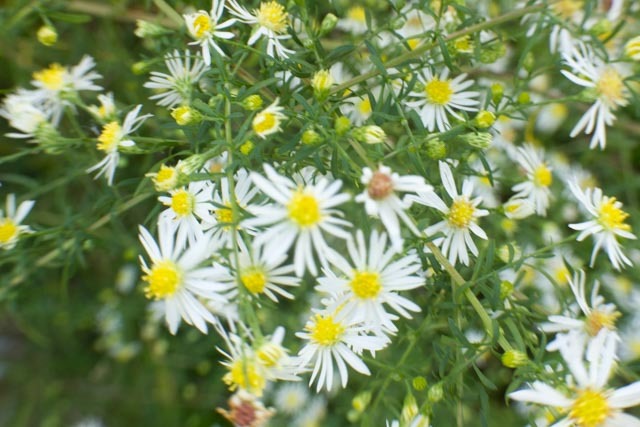
I am writing on December 12. It is a rather warm December day, with the high around 73 degrees! Short-sleeve weather, right? I went out for a walk around the ponds behind the house, “the back forty,” as I call it sometimes. (I can only wish we had forty acres back there, but I’ll take what we have!) The last time I walked, there were still wild-flowers blooming. Today, those flowers have turned to seed, brown and crisp and fragile.

There are signs that the winter solstice is around the corner. In fact, a quick look at the calendar shows it to come on December 21, at 11:48 P.M. I had to do some research to remember why it is called the winter solstice. The short answer is that this is the day of the least amount of sunshine because the sun has reached its southernmost position in our skies. (I could get technical about Tropic of Capricorn and such, but that’s too much for me!)

Here are the signs that winter is here:

untitled-2

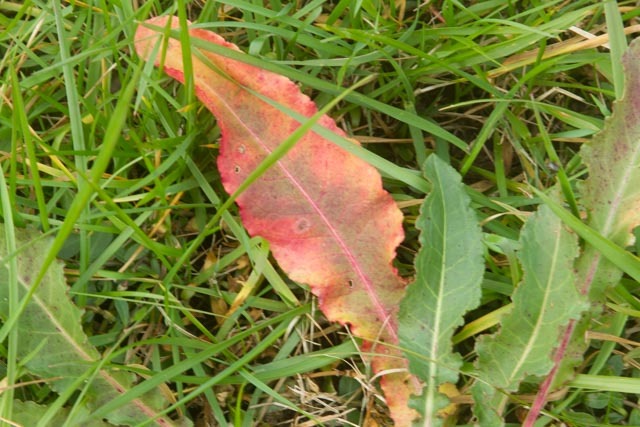
The dandelion has turned red.

untitled-3

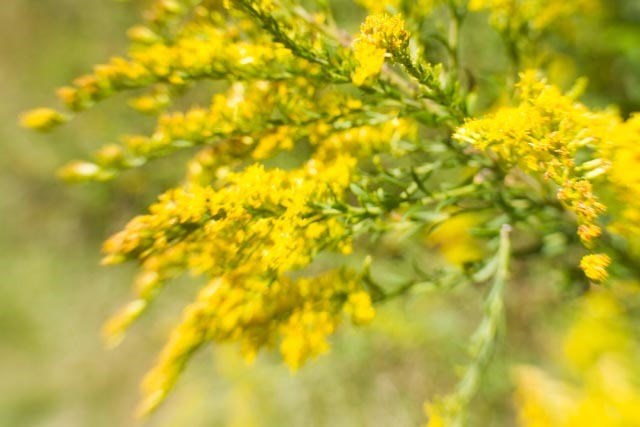
This weed was yellow, but is now a fluffy white.

untitled-9

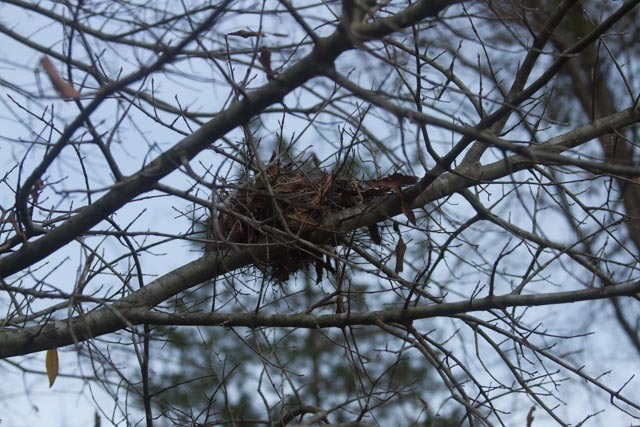
And the bird’s nest has been abandoned.

It is time to listen to the Christmas music now and other music that celebrates winter. It is time to have cups of hot chocolate and chai and coffee, to wrap up in hand-knit or –crocheted afghans, to wear fuzzy socks to bed.

Thursday Thanksgiving

I mentioned Monday (or was it Tuesday?) that I spent the weekend in Bennetts Point with Mama. It was a “girls’ weekend.” Mama wanted to check up on the place down there, visit with some friends, and attend the community meeting to see what was going on. She also planned to attend services at the new community church, but it is not yet ready for occupancy. We had hoped to take pictures of the new church, too, but the weather interfered with that project!

It has been a long time since Mama and I have had some extended one-on-one time. You know, she has always been my parent, but also my friend. We connect on many levels. She enjoys reading; I love to read. She has been crafty in her years—sewing, knitting, wood working, some painting. She loves to learn stuff. She is interested in many things. She has taught me much about being independent. I think she was a women’s libber before it was popular! I could easily picture her as one of the original suffragettes!

Daddy was often on the road for his job through the week. He worked construction as a laborer, foreman, and finally job superintendent, until his retirement. That meant he often went where the work was—Owensboro, Kentucky; Hattiesburg, Mississippi; various places in North and South Carolina and Georgia, leaving Mama to raise three children and keep the small farm going. I learned a great deal about being independent, making decisions, and being strong from Mama during those years. Even during these last months of Daddy’s life, Mama was strong. She told me that she had been preparing herself to be a widow for the last thirty-five years or so, ever since Daddy was diagnosed with cancer the first time in 1976.

This week, I am thankful for Mama’s presence and guidance, and most of all, for her love and support. I am thankful that she “gets” me, even though I am sometimes the “odd one out” in my family. She understands my introversion (my brother is the same. It’s my sister who is the extrovert!); she gets my need to create things. She knows who I am perhaps better than I know myself sometimes.

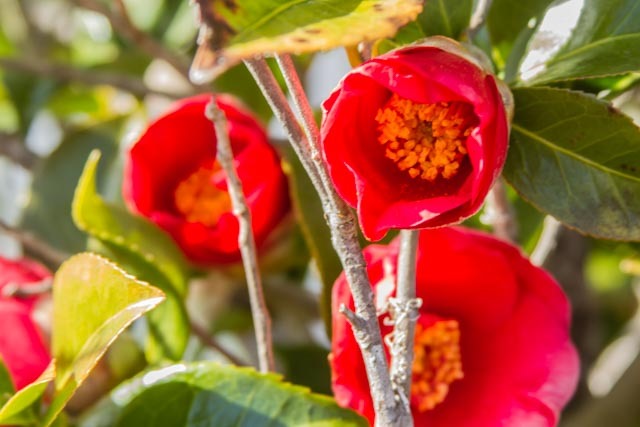
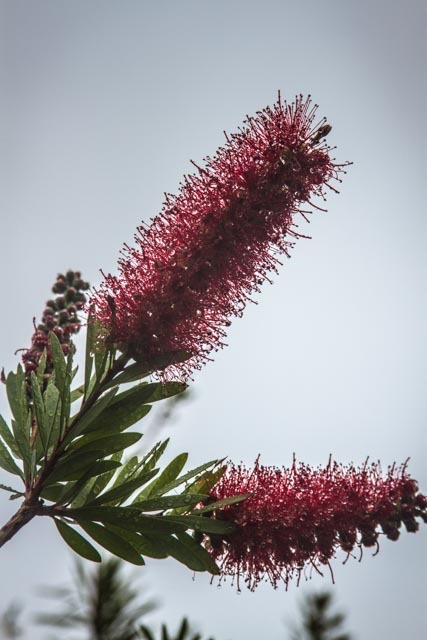
Mama is not exactly camera-shy, but she does not like us to take her picture unless she is ready for it, so I don’t have a candid to share from this weekend. But I do have one image that I love. The bottle bush at the end of the driveway is still blooming in November. There were maybe a half-dozen “brushes” still on the bush. And they were such a vibrant and deep red. (I wonder if they would grow this far inland. I know the oleander that grows around the house at Bennetts Point does not like the Midlands of South Carolina. Mama tried to grow one at her house in Peak.)

Beauty is all around us in all places and in all weather. It just takes us being wide awake to the world.

untitled-5

(I “messed” with the editing. The red is more muted in this image, and a little “bluer” than it was in real life, but art is about vision, and this is what I “see” in my head.)

Contemplative Photography—Expression and Vision

I have lost count of where I am in this thirty-one day blog challenge. Today is the eighteenth day of the month.

Yesterday, I roamed around the pond with the camera, still searching for and finding all kinds of beauty. I passed my other “secret” garden, the one that is so secret it doesn’t know it’s a garden. I sowed a variety of flower seeds, including wildflowers, zinnias, poppies, and others. The problem: only the zinnias came up. The solution: they have been blooming like crazy now that we are past the heat of the summer.

And the bonus: the flowers are attracting butterflies!

butterfly

Freeman Patterson talks about the role of expression in photography. He argues that there are two kinds of expression: the expression that the subject shows us (joy, peace, sorrow, excitement, etc.) and the self-expression of the photographer. He poses two questions that are essential for all photographers to answer before making the image:

  • What is expressed?
  • How is it expressed?

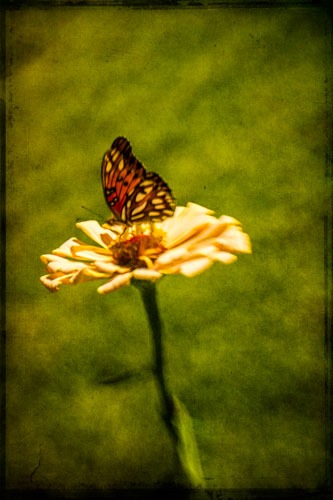
I stalked the butterfly, one of two that were flitting around the zinnias. (Do you know how hard it is to get butterflies to be still long enough to compose a photograph and then manually focus the lens?) Butterflies represent freedom to me, the ability to pick up and move as the spirit moves. They also represent delicate beauty. As it is October, there is also a feeling of fleeting beauty. It won’t be long before it is too cold for butterflies or zinnias.

I think by isolating the zinnia and the butterfly from the rest of the garden, I emphasized that idea of the end of the summer. The zinnia is in some ways past its prime. I also wanted to create a feeling of “age.” Therefore, I used a couple of textures from Photomorphis to create the vintage feel.

Day 6: Photography and Recovery

Today, the sun shone. I thought I’d need to look it up on Google just know what I was seeing. (Yes, this is a bit of sarcasm and hyperbole, but it seems so long since I’ve seen sunshine!)

I went for a walk today, and I took my mp3 player with some happy music and my camera to see what there is to see. After being inundated with images of destruction, all I could see today is beauty. God provides.

I had a plan for this month’s series. I really did! It’s in my planner, but the events of this weekend, the flood, the destruction—well, my thinking about what photography means to me. I needed to see beauty today in the midst of the destruction. I needed to see the beauty of nature. And taking the camera out with me allowed me to see.

untitled-2untitled-4untitled-9untitled-10untitled-15untitled-30untitled-33untitled-35

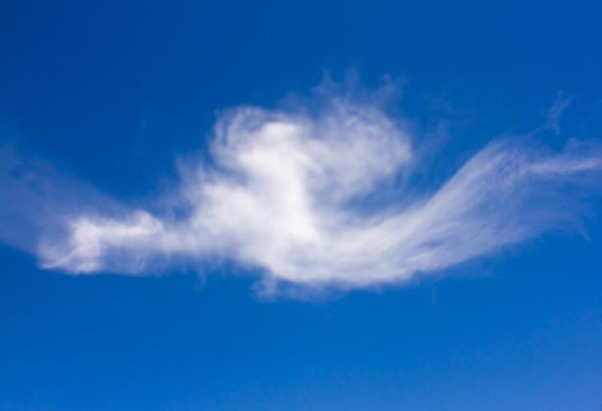
After days of gray, these blue skies and white clouds are welcome.

untitled-43

untitled-44

After my walk, I sat in the “John Deere” yellow swing to soak up the vitamin D. Peace. . . .

untitled-45untitled-46