Homecoming, Part 2

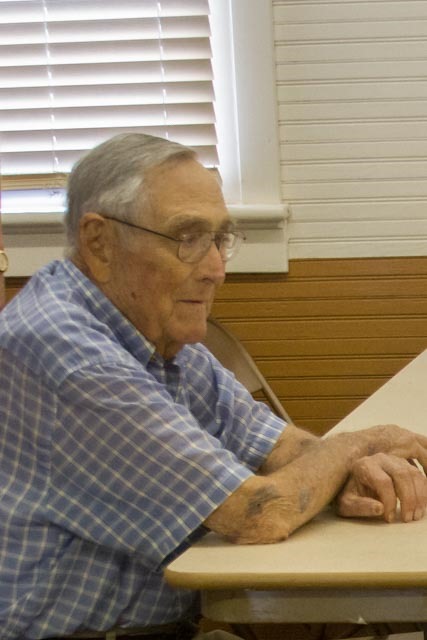
Last week, my home church celebrated Homecoming. This week, the church in which I grew up celebrated Homecoming. It was the first time I had been back in Mt. Hermon since Daddy’s funeral. It was not sad, though. I felt very much at home. Most of the time, when I worshiped here, I sat with Daddy while Mama sat in the choir. This Sunday, I sat with Mama. Yet, Daddy was very much there. When the church added cushions to the pews, Daddy was not comfortable, so they had the upholsterer who made the cushions create a removable piece that Daddy could take out and sit on the bare pew. Well, when I looked down the pew I was sitting on Daddy’s “cushion.” It was almost like sitting with him. Then when I exited the church, Pastor Bishop showed me the cross he wore and told me that Daddy had made the cross for him out of walnut wood and signed his name “Floyd” on the back. Pastor Bishop said that he treasured that cross. (Yes, for those who know me, I cried.)

I did not take the camera this morning. I simply went to worship and visit and renew friendships.

Thomas Wolf wrote famously, “You can’t go home again.” But you can go home again. It may not be the same home you left, but it is still home. My former church is small in number. The walls are no longer “pea green.” But the pews are still a natural color, not dark stained. The pipe organ is still in use. There is no choir, and the dress is more casual. (No one wore a suit and tie, or hats, or gloves. My grandmother never went to church without her hat, which she had to remove when she put on her choir robe, and I remember her wearing her gloves as well.)

Still, the liturgy and the hymns remain nearly the same, the gospel message the same.

I can go home again.

Thankful Thursday

Some four or five years ago, I was part of a group of women who were called “Encouragers.” We led small groups of women with similar interests and encouraged each other. One of my group’s favorite days was “Thankful Thursday.”  In our little Facebook group, we shared things for which we were thankful. Somehow, whatever had happened throughout the week seemed less stressful once we started sharing the good things in our week.

I think I need to bring “Thankful Thursday” back. Why do we need to wait until Thanksgiving Day in November?

I think the first thing I am thankful for is the much cooler weather! I’m waking up to temperatures in the high forties this week, and highs in the low seventies. I love this time of year. untitled-2

I am thankful for the last flowers of summer. My hibiscus is still blooming beautifully. And my new plant (I don’t know the name of it. It’s just an unusual looking plant, and I definitely go for the unusual. My zinnias are still blooming, and are actually blooming more now in the cooler weather (and after the rains) than they did all summer long.

untitled-9

untitled

And I am thankful that we had less damage from Hurricane Matthew than we might have. John’s home in Mullins did not suffer any damage even though the area did suffer flooding, power outages, and lots of downed trees.

It doesn’t take long to make a list of the good things during the week. And yes, you can use photography to document those things.

More Stories

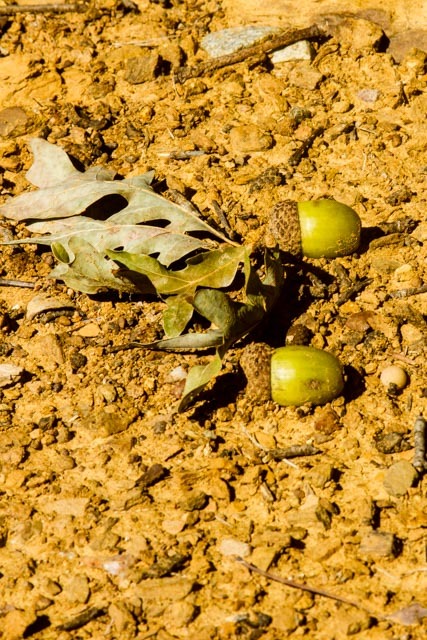
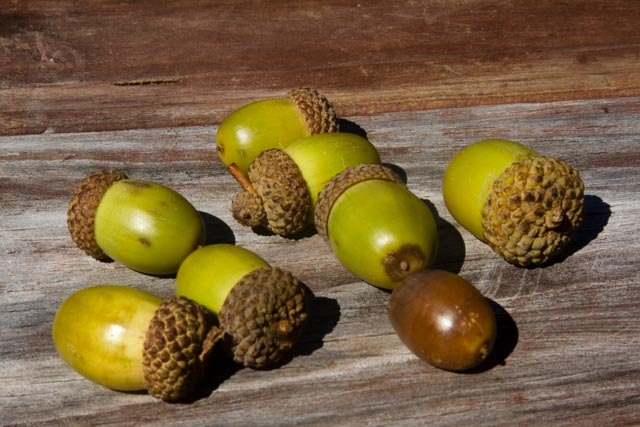
I went for a walk around the ponds behind my house this morning. Temperatures in the sixties invite me to go out, and it’s October, so there are some leaves beginning to turn and other signs of autumn apparent. As I walked under the big oak behind the house, there were dozens of acorns on the ground. I was walking “briskly” (meaning, I was trying to walk fast to get my heart rate up, and I was panting. . . . ), so I didn’t stop, but I thought about it! I also thought about how many times Daddy would come in from hunting or working in the yard and empty his pockets on the hearth. Often there would be other nuts, hickory, pecans, maybe a few peanuts (if the season was right). After my brisk walk, I went back to the oak with the camera in hand, and yes, I put a few acorns in my own pocket in memory of my daddy.untitled-31untitled-45

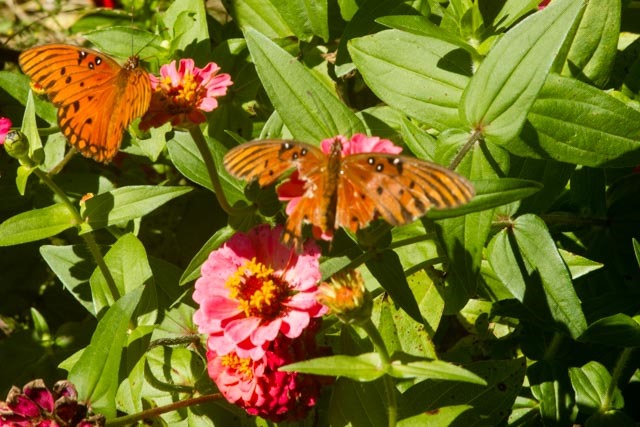
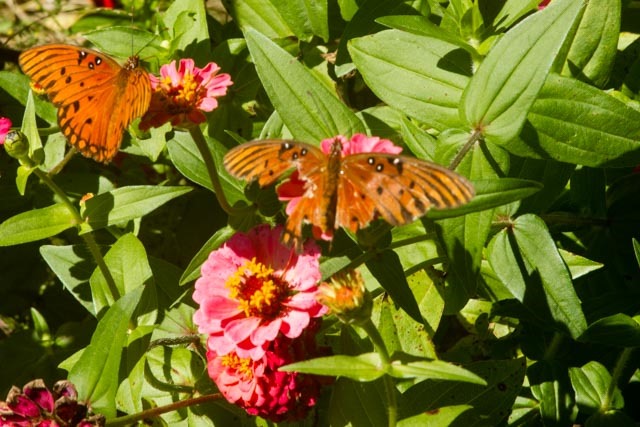
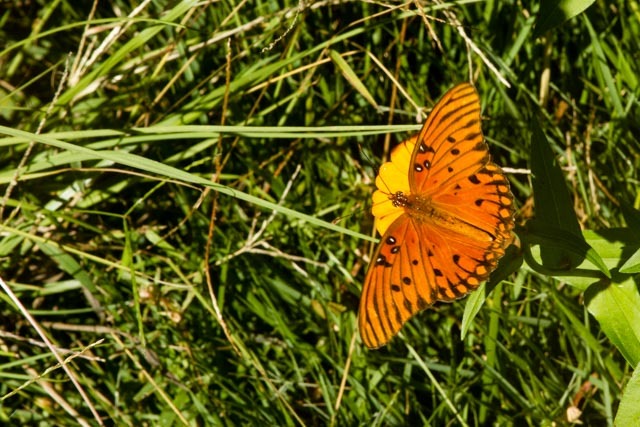
I walked around the house, too, to check out the zinnias. There were several butterflies getting the last of the nectar from the blooms. This one caught my eye, though. I wonder what happened to him. Did the winds from Hurricane Matthew tear his wings?

untitled-9

Or is he/she just an old butterfly at the end of its life?

Of course, there were other butterflies flitting around the flowers as well.untitled-12

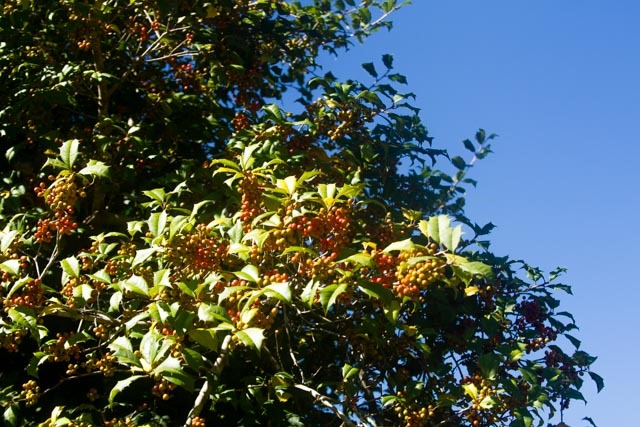
When Grady was clearing the land where we live for our house in 1984, his grandfather would often ride over on his old Ford tractor. One Saturday morning, I rode over to help Grandpa “supervise” the work. Grady was cutting down trees while we looked on. Then, Grandpa Hub looked at me, pointed to a tree with his walking cane, and said to me in all seriousness, “Now don’t let Grady cut down those hollyberry trees.” Grandpa unexpectedly passed away not too many weeks later, but for thirty-two years, I have held Grady to my promise until 2011. The largest holly tree next to our garage was badly damaged after the house burned, and Grady had to remove it. However, this holly, also damaged from the heat of the fire, survived. If you look closely between the branches, you can still see some of the fire damage. It is not very prettily shaped anymore, but it still stands. I would not let Grady cut it down five years ago. Now, it produces berries every year.untitled-42

In a few days, I will need to pull out my scrapbook papers, adhesives, and pens to put these stories in pages for my children to read.

These are important stories to me, and my photographs will help me tell them to the generations that come.

Story-telling: the Oral Tradition and Photography

I have some vivid memories of my great-Uncle Jim visiting my Granddaddy Summer. Granddaddy was not much of storyteller, but Uncle Jim had storytelling down to an art. He would entertain us for hours and hours with stories of growing up in Peak, of his mother raising eight (or maybe nine) children after being widowed (Great-granddaddy TW Summer was only in his thirties when he died in a railroad accident), of working the fields around the “home place.” I don’t know that I’ve ever laughed so hard in my life than when Uncle Jim would tell his stories. Through his stories, I came to know some of my great-aunts and uncles who had passed on before I was born, to know my great-grandparents, and to know some of my family history. Those stories are important, and I wish I had written them all down before Uncle Jim passed away in 1977.

My father was also a storyteller; he inherited from Uncle Jim and from Aunt Mary (she also told good stories, but I didn’t see her as often or spend as much time with her as I did with Uncle Jim. They were brother and sister to my Granddaddy Summer). He told us stories of being stationed in Germany after World War II as part of the United States Army peace-keeping forces during the Occupation. I need to write his stories, too.

IMG_6182

(taken in May 2015; Daddy passed away on August 12, 2015.)

A fire five years ago stole my photographs of these two men and others. The photographic record is gone, and all that’s left is to tell their stories with the written word. Of course, other family members have pictures as well. There are pictures of TW Summer and “Ma Minnie,” my great-grandparents, and of my great-great-grandfather James Andrew Summer. I can visit their graves at little Capers Chapel United Methodist Church near my parents’ home.

In the years before television and radio, storytelling was entertainment, but for me it serves a much larger purpose. Storytelling passes along family history and family values. My father’s family were farmers. Even those of us who do not farm for a living have learned to value the land, not only for its usefulness, but for its beauty. I inherited almost forty acres of property that my father and grandfather purchased many years ago; we refer to them as the Red Field and the White Oak. These acres are part of my past; heaven knows, I spent a good portion of my childhood playing in the red road beside the field (before it was paved and straightened), helping to haul hay and bags of oats, and carrying ice water in mason jars wrapped in brown paper grocery bags. Daddy kept his farm implements in the shed across the road from the field, and no one even thought of stealing the plows and mowers and hay rakes and combines.

Stories are important, both the words and photographs. We are missing so much when we do not take time to tell our family stories to our children. We are too consumed by the stories we see on TV—the news, the sit coms, the dramas. Photography, the images we make and share are part of our history, perhaps the real history that our children need to learn.

Maybe one day, “Vincent” (I decided to name my camera after my favorite painter, Vincent Van Gogh) and I will write the story of my family and my childhood home in Peak, collecting the good and the not so good, the mysteries (I think every home town has those mysteries that are never solved), the love and respect.

I began scrapbooking almost twenty years ago, and even though I no longer scrapbook regularly, I know how important it is to record the stories of family. It is the only way to share the real history of people and places and events.

Storytelling and Photography

Today, I read Carol’s comments in “Focusing on Life” on the importance of telling our stories. She cited Elizabeth Gilbert’s podcast, which I still want to listen to. I am thinking a lot about this idea of telling stories and how I can do that through photography.

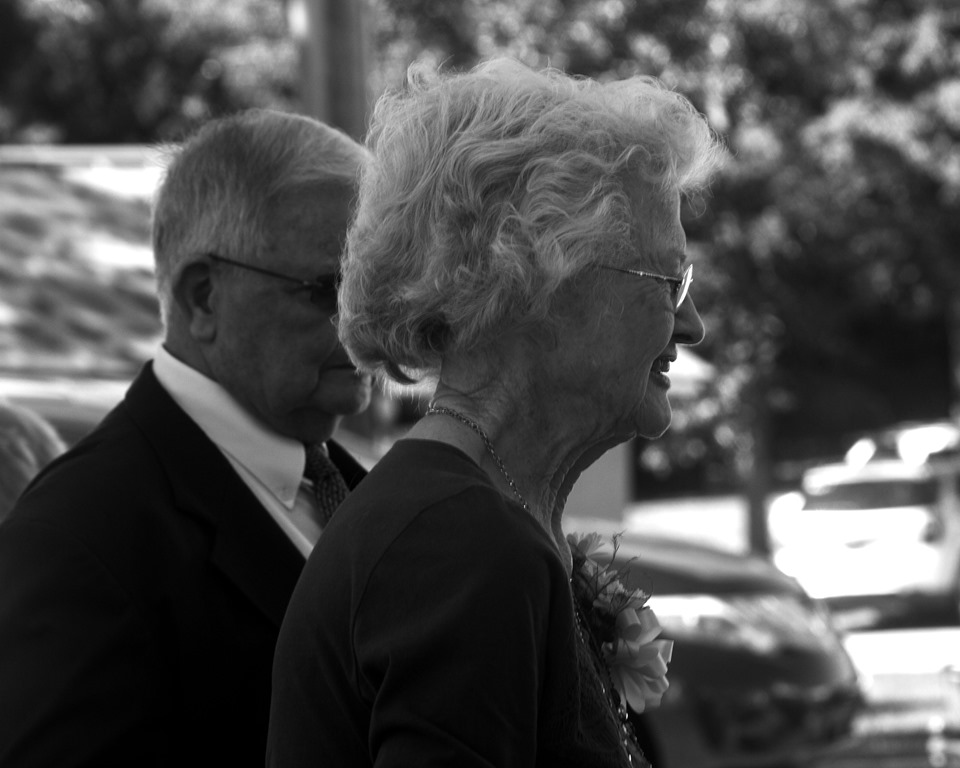
Yesterday, my home church had the annual Homecoming Sunday. It is a time for those who have moved away to come home and worship with family and friends. It is also a time for us to honor the Golden Agers of our congregation, those members who are seventy-five and older. And of course, there is the picnic on the grounds after services.

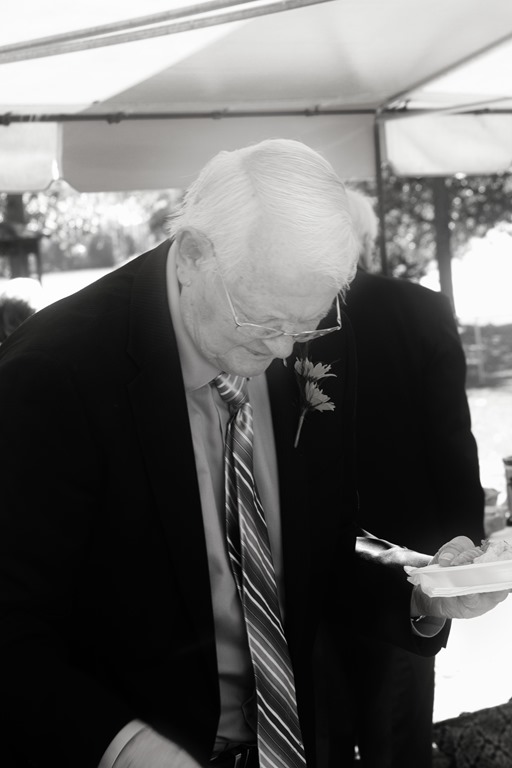
Gramps

I did take my camera with me to help with the photography of the event. Unfortunately, or perhaps fortunately, I spent as much time talking and visiting as I did taking pictures! I did take the group picture before church and a few pictures of my family as they sat together in the pews. There were a few more of the golden agers fixing their plates. (Oh my goodness, the food on those tables. Yes, the tables groaned under the weight, and so did I after I finished eating!)

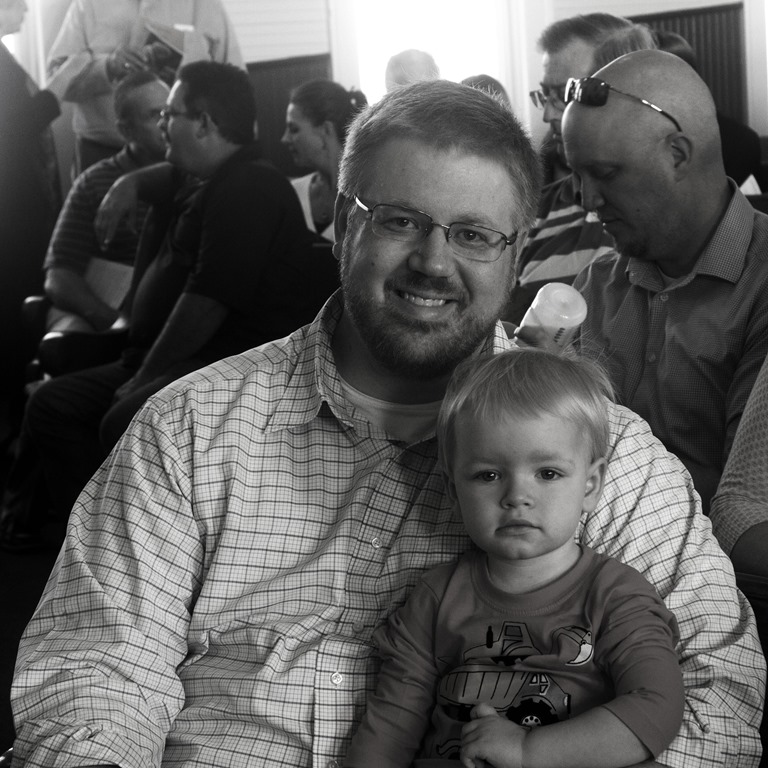
Ryan and Rhett

This is my nephew, Ryan, and my great-nephew Rhett. It’s not hard to figure out these are father and son! Unfortunately, Rhett’s twin sister was not in the mood to have her picture taken!

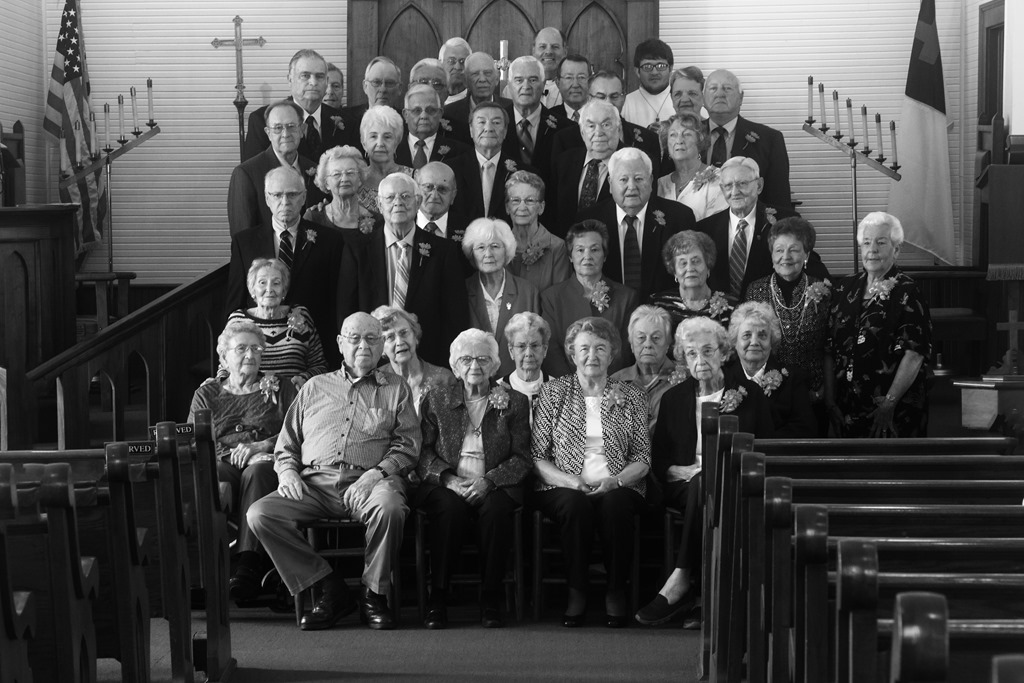
Golden Agers

There are some dear friends in this group of Golden Agers. Mr. Tommy is my surrogate father, a retired construction worker like my father was. He is always available to help neighbors. He had a serious heart attack a few years back and lost significant heart function, but that has not stopped him. He is a font of wisdom. Ms. Biba is one of my newest friends. She is a widow who took care of her invalid husband for several years. She inspires me. There are also others: my parents-in-law, my husband’s aunt, Pastor Lyerly, and so many others.

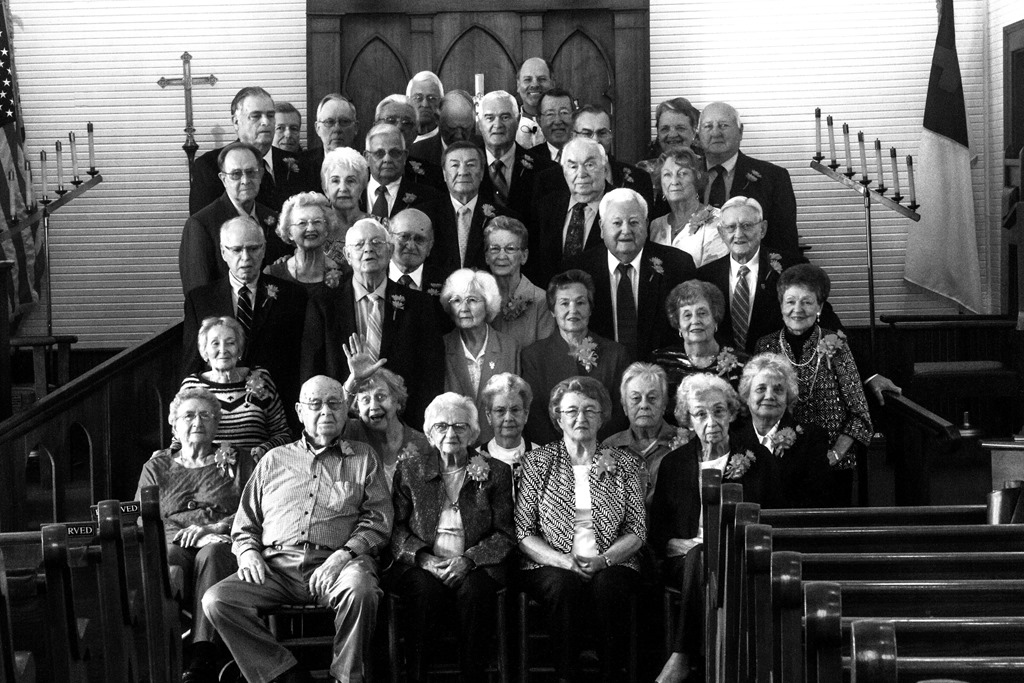
golden agers 2

The image above was one of my test shots before the actual picture. See the lady waving? That’s my mother-in-law, and that captures her personality! She is always glad to see her friends and family. I don’t know who she is waving at, but they cannot help but feel welcome!

Miriam

(The lady above is my husband’s aunt, Miriam.)

Each Golden Ager (or couple) receives a print of this image. These pictures will be part of each family’s story, a story of faith, perseverance, and, most importantly, love.

Resuming Write 31 Days—Perhaps Not So Photographic Today

Please excuse the disruption of the series. Hurricane Matthew passed through (along with the end of the mod). South Carolina was hit by that “killer” hurricane over the weekend. The coast was pretty beat up. The historic Springmaid Pier at Myrtle Beach was destroyed.

Image result for springmaid pier

It was the oldest pier in the area. There was another old pier in Murrells Inlet that was swept away. There is a great deal of coastal flooding. Thousands and thousands of people are still without power, and will be for a while. A pecan tree fell in the my son’s yard and clipped the corner of his house. Fortunately, there was no damage to the house.

People are still displaced and will be for the time being.

Yet, we are so fortunate. I don’t know that we’ve had any loss of life because of the storm. We have had no looting, no stealing, no violence as a result. Instead, those of us who live in the Midlands and Upstate out of the reach of the storm are reaching out to help others.

But today, I’m starting again now that we are out danger. I’m also out of school for the next five weeks.

Insight into Editing Process

I’m still working with a batch of images I made over the weekend. (Actually, I’m procrastinating. I have two sets of essays I need to grade, and I’m putting it off!)

I love two kinds of images: images with deep, rich color, slightly “underexposed” to make the colors deeper and richer, and I like images with softer, more romantic moods, more “transparent” colors and treatments. I have not worked with that latter treatment very much, but I am learning to create the images with the richer colors. At first, I simply changed the exposure in Lightroom or Photoshop to underexpose by 1/3. It worked. It was simple. But I knew I could do more.

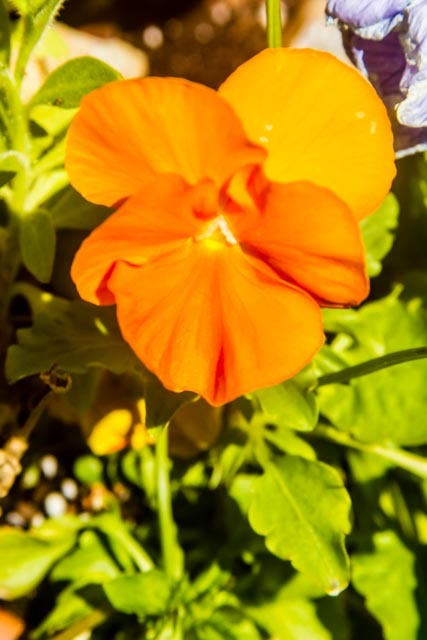
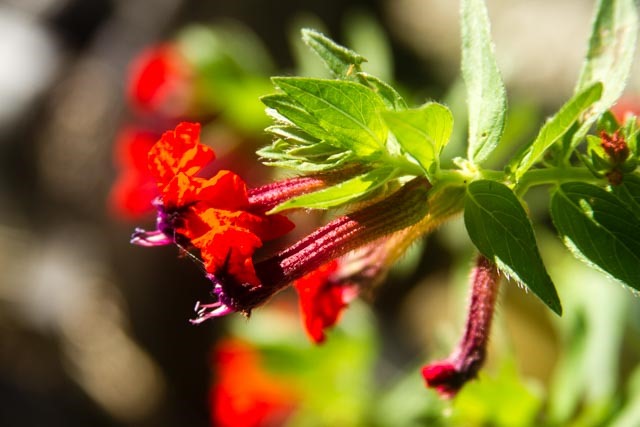
Here’s my experiment today. I started with this image. (If you know the name of this flower, please tell me. Mr. Chappells at the nursery told me, but by the time I got home, I had forgotten. I know it is a C, an O, and PH, and maybe an E. Vanna White, are you there?)

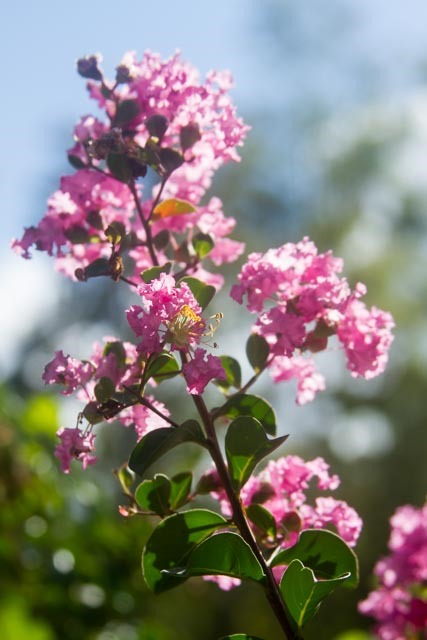
Here is my original, as shot.

Original without edits

It has been converted to JPEG by Lightroom for use on the web, but this is the RAW image. Most RAW images need some enhancements to bring out the best. The advantage of using RAW images, though, is that the camera records more detail, so there’s more data to work with later in Lightroom.

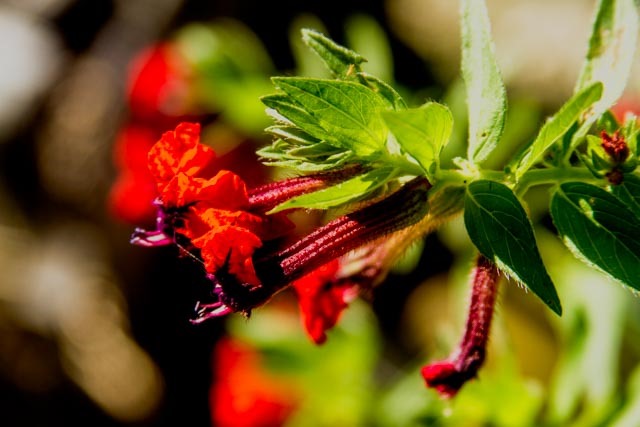
Before sending the image to Photoshop, I’ll make a few adjustments: setting the black points and the white points, adjusting highlights and shadows, adjusting clarity and perhaps vibrance and/or saturation. A while back, I read a book by David du Chemin about editing in Lightroom, and he recommended using a medium contract curve on images and readjusting as necessary. Edited original

It already looks better, and I could be satisfied with this. But I’m going to do more in Photoshop. If you use Lightroom for basic edits, there is a quick way to send an image into Photoshop: Ctrl-E sends it straight into Photoshop.

I have been learning about luminosity masks. There is a lot I don’t know, but I’m beginning to learn more.

Once in Photoshop, I create a duplicate layer from the background with the short Ctrl-J. (oh, if you use a Mac, substitute Command for Ctrl.)

Open the Channels adjustment panel, and look at the four channels: RBG, Red, Blue, Green. The latter three will be monotone. Choose the channel with the greatest contrast between the highlights and the darks.

image

I thought the Green channel had the greatest degree of contrast. Select the highlights by holding the Ctrl key while left-clicking on the Green channel thumbnail. The “marching ants” will outline the highlights.

Then create a Curves adjustment layer. Adjust the curves to make the highlights a little darker by dragging the square on the right side of the curve down. You can also adjust the other areas of the curve as well until you’re satisfied with the look of the image.

image

Compare the two images: the original with the final. What do you think?

Original without edits

flower highlight edit

Long Weeks, Shorter Days

It’s Saturday, and I am noticing a change in the air. The days are getting shorter, but the weeks seem longer. Perhaps it’s because I’m back at work for the September mod at Remington College.

It is September. In just two or three days, the autumnal equinox will occur. Now, I confess I’ve forgotten more than I ever knew about equinoxes and solstices except the summer solstice is the longest day of the year and the winter solstice is the shortest day of the year. I’m not sure what the equinox means anymore (except they fall between the solstices. I guess someone had to have a name for those “in-between” times).

Here’s what I’ve been doing since my last post.

1. Teaching. I’m still teaching composition courses for Remington College. I do so much enjoy teaching the adult learners. This mod, I have a whole slew of students! Twenty-two, in fact. Now, coming from a public school background, twenty-two may not sound that bad; I had up to thirty-six students in some of my high school classes. But for this small career college, a class of twenty-two is large. In fact, we had to change classrooms because I ran out of chairs and computers.

2. Photography classes. I am retaking Galia Alena’s Camera Craft series, which began in June. I will finish up the final lessons next week. This course series is “technical,” but not so technical that it ignores the more artistic side of photography. In the first four weeks, the emphasis was on the basics—composition, exposure, post-processing, and similar topics. The last four weeks focus on light, and not just the theory and technical aspects. I think I could take this course every year and still learn something new. I enjoy the more artistic aspects of the course, focusing on the aesthetics rather than the correctness.

3. Reading. Okay, I admit that I get in a rut when it comes to reading. I love Regency romances, those novels set at the beginning of the nineteenth century involving the aristocrats and nobility of England. These novels are pure fluff, brain candy, entertainment. I love a story with a happily-ever-after ending. But I have read a couple of things with more substance, although the entertainment value is still there: a couple of Steve Berry novels, including The Lincoln Myth, and the last Dan Brown novel, Inferno.

4. Learning some new Photoshop and Lightroom techniques, such as converting color images to black and white and using luminosity masks. I know converting to black and white is not really new. I’ve tended to use actions developed by others for Photoshop or presets for Lightroom or the black-and-white adjustment layer in Photoshop. But at the encouragement of Galia (see #2 above), I am trying other ways. And luminosity masks are rocking my world right now!
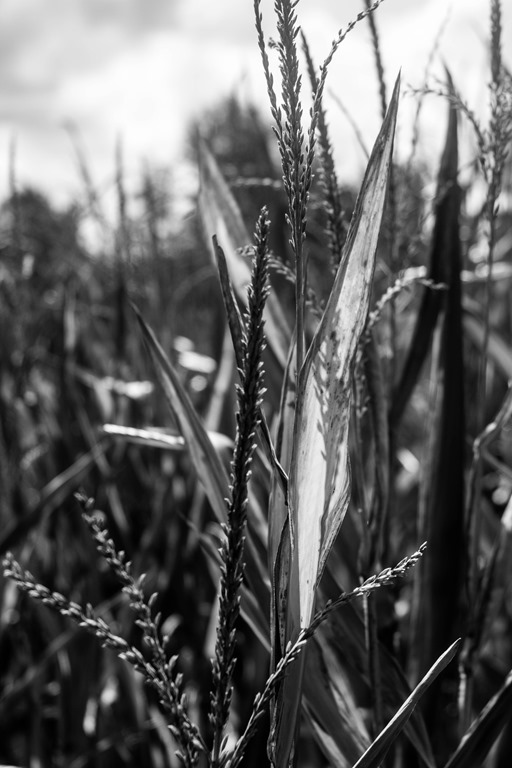
untitled-11

I took this image of the sun shining through the corn leaf at the beginning of the month. I used a luminosity mask in the blue channel, and lo! and behold! I found some detail in the sky! Oh, my goodness! The sky was pretty blown out when I started the editing process. And then I used the saturation slider to remove the color in Lightroom, the black and white sliders to set the points for pure black and pure white, and the highlights and shadows sliders to adjust for details. I really like the results. Just for fun, here is the original.
egret (2 of 5)

See what I mean? You can’t see the clouds in the sky.

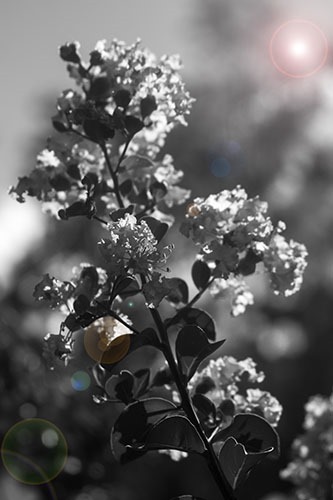
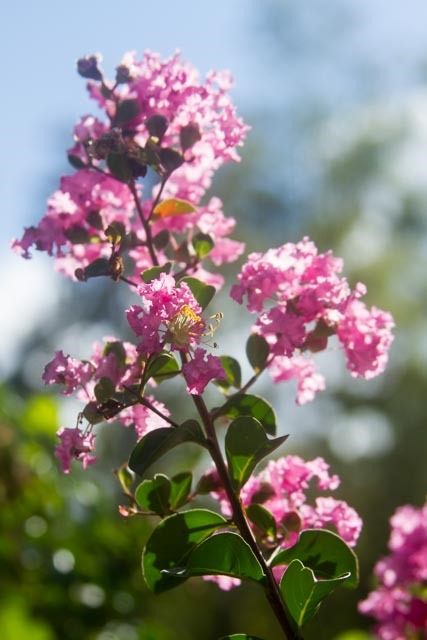
The second image I played with is of some pink crape myrtle blooms. I used the same basic process of conversion to black and white in Lightroom that I described above, but then I took the image into Photoshop for additional manipulation. I used the “Render” filter to add a lens flare. Adding the lens flare added small bits of color back into the image.

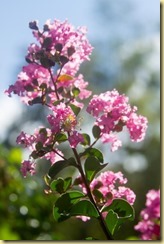
crape myrtle for web egret (1 of 5)

I love both the black and white and the color image. It’s hard to choose a favorite.

And the last thing I’ve done in the last few weeks is get my computer tweaked again. Our friendly, neighborhood computer technician Cale H put in a new solid state hard drive and increased the RAM in my five-year-old Toshiba laptop, and she’s running like a young deer now. I’m  happy! I’m glad I didn’t have to replace my computer.

Days are getting shorter, but in reality, the weeks are not getting longer. My goal is to keep learning something new each day. Maybe that’s why the weeks are longer. I’m filling up each day with so much goodness.

Looking for the Light

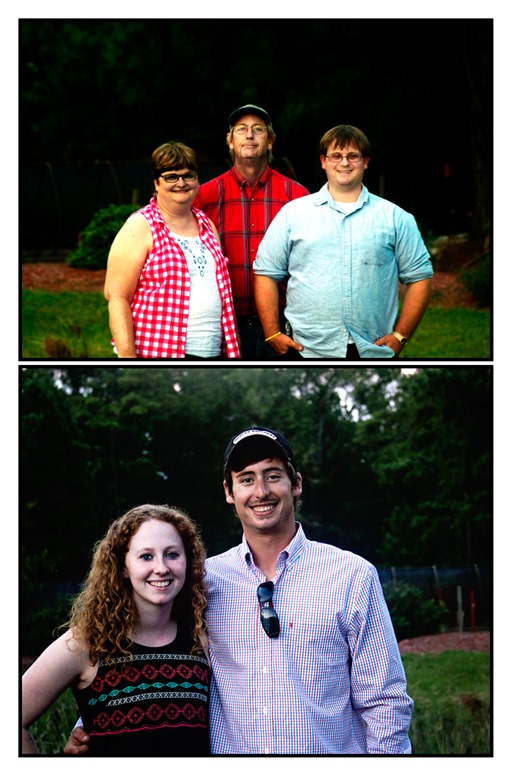
I’m taking Galia Alena’s “Into the Light” course again this summer. I’ve been working in my craft room/studio, reorganizing, cleaning, decluttering (sort of), throwing away stuff this week, and have not been out with camera this week. Well, not since Saturday, anayway, when I took some family pictures for a photo album my sister-in-law is making for her parents for their sixtieth wedding anniversary.

family picture

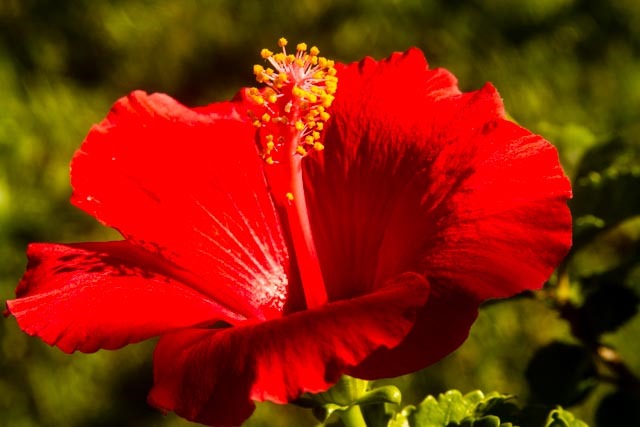
This morning, I took the camera outside about midmorning to see what the light was doing. Of course, I was drawn to the various flowers that continue to bloom during this last month of summer. I tried to pay attention to the direction of the light and to find the angles and directions that would give me the better pictures. I kept getting distracted by the textures and the colors. Of course, I know that the quality of the light and the direction of the light affects the way I perceive color and texture. Light creates shadows, and those patterns of light and shadow create texture.
The red hibiscus is in bloom, though the purple luna hibiscus is not. The lavender crape myrtle is also still in full bloom. I loved the way the sun was hitting the flowers to create a glow at the top of the flowers. I tried to climb inside the tree for different angles, but I decided the bees could have the interior!

egret (1 of 5)

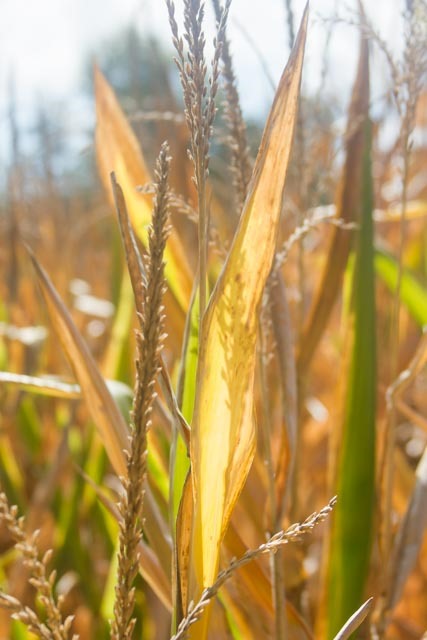
As I rounded the pond, I saw the cornfield, and again I noticed how the light shown through the yellow leaves on the stalk. As I walked around the curve, I saw a ball of brown fur with a corn stalk in its mouth. I was so busy trying to figure out what the creature was that I forgot to take a picture! It was a muskrat!

egret (2 of 5)

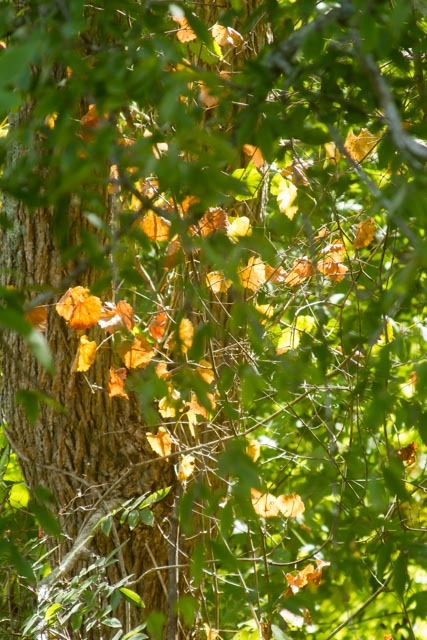
Then as I walked down the power line right-of-way, I noticed the golden glow of some leaves in the midst of the trees. The direction of the sun coming from the back of leaves give them a feeling of transparency.egret (3 of 5)

If I were to walk around the ponds again this evening, with the sun in the western sky rather than the eastern sky, the objects would look much different, and the textures and the play of light and shadow would be quite different.

It is the first day of September. I had thought I might participate in the October 31-days challenge, but I think I am going to try to a September 30-day photo challenge. I don’t know that I will post every day here on the blog, but I will try to take at least one image a day and make collages to represent the week. I’ll let you know how my challenge is going next week this time!

ReFraming in July

It’s that time of year to check in with myself. In January, I chose “abide” as my word for 2016, and I have been “abiding” and waiting, and generally procrastinating about some things.

I guess I’ve procrastinated about a lot of things, but seriously, I have been living *in* some questions that have been running around in my brain for a good little while.

I guess about five or six years ago, I had a tug in my head, a little voice that kept whispering that I needed to change my career or at the very least change my venue. Circumstances stepped in, and there were some major changes in career and venue. But still, there was a nagging voice that whispered that there should be “more.”

I thought I could be a “people” photographer—custom portrait sessions, senior sessions, engagements. . . .  You know, the kind that so many “moms with cameras” seem to be able to do and to make a living at. The market is small, though, and there seems to be a photographer on every corner, and I just plain didn’t know what to do. I set that dream aside.

Instead, I signed up for classes, and I spent some time learning Photoshop, and I played with my camera, and I still play with my camera. And I realize that I enjoy photographing things other than people, although I do enjoy “people” photography now and again. In fact, next week, I’m going to be up to my ears in people photography at Vacation Bible School. We’re making a video of images that I take for the closing.

untitled-12

But I’m still not there yet. My dream is reframing itself again. I “met” Teresa Robinson, the Stargardener, online through her Right Brain Planning website and Facebook group. She is becoming a mentor to help me sift through these dreams of mine. Here it is: I want to encourage people, especially women like me who have grown up thinking that they “can’t” be creative or artistic because ________. I’ll let you fill in the blank. I grew up in a family of practical people. When I wanted to major in English because I loved literature and writing, my mother encouraged me to become a teacher. I had to be practical. Now, don’t get me wrong. That teaching career has served me well over the last thirty-six years! But now that I am semi-retired and part-time, I want “more.”

So, still putting my dreams and my goals “out there” into the universe: I want to teach people/women/children/children-at-heart how to be creative every single day.

This is going to take some major reframing and some major stepping out of my comfort zone.

untitled-31